
Phone: (512) 476-2830

ACL Reconstruction
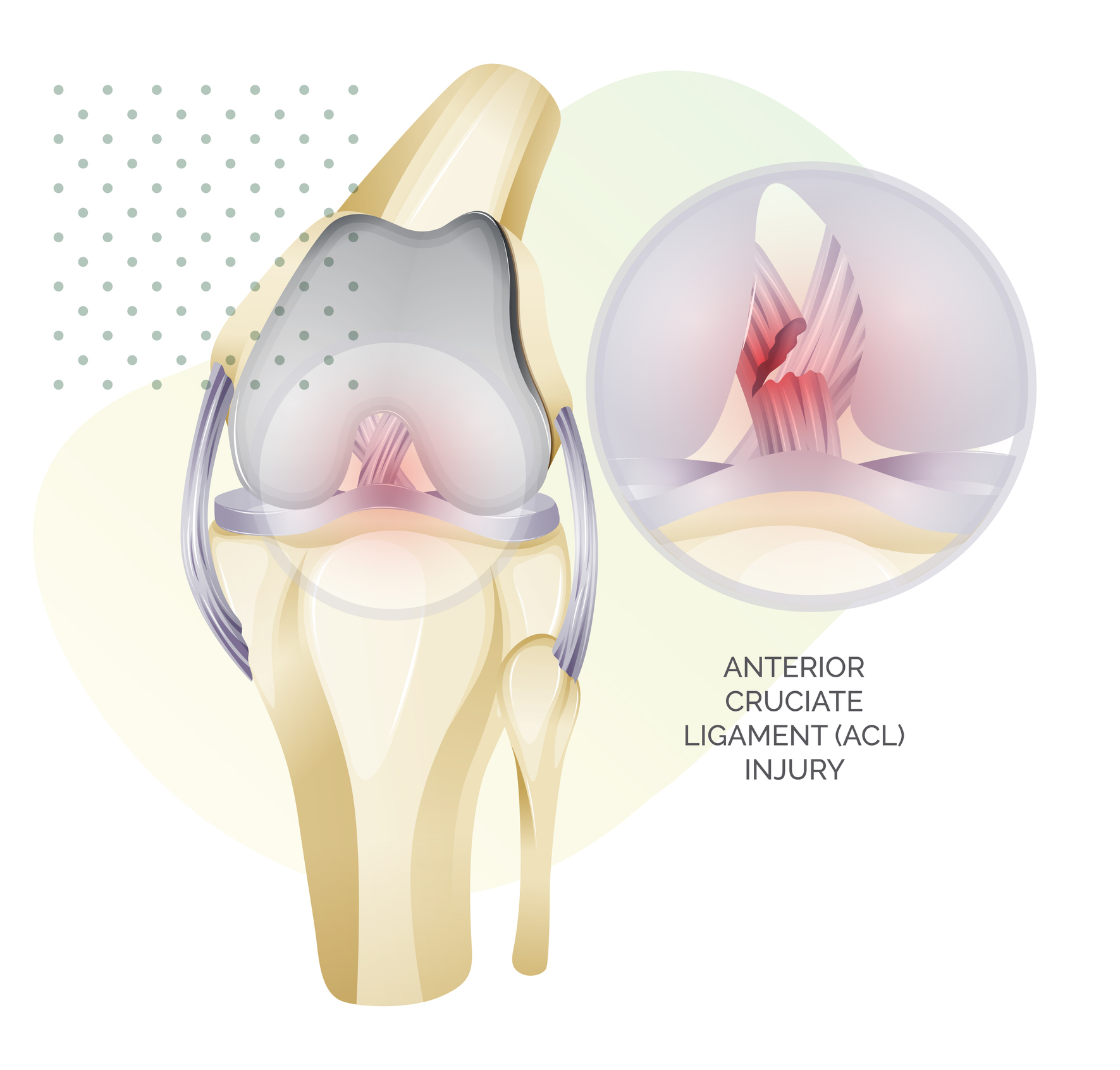
An injury to the anterior cruciate ligament (ACL) can make the knee feel unstable and interfere with sports, exercise, and everyday activities. ACL injuries are especially common during activities that involve cutting, pivoting, sudden changes in direction, or awkward landings.
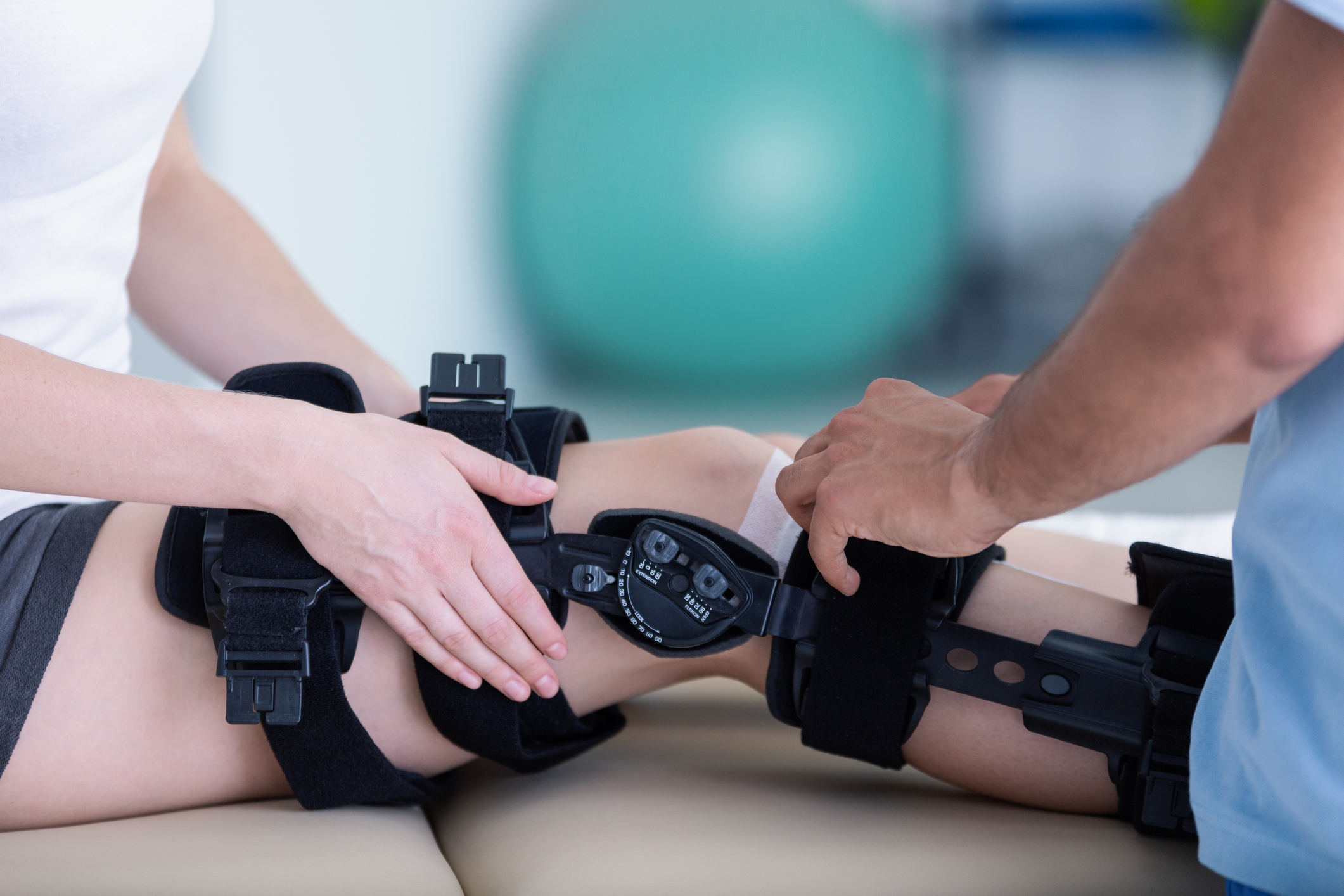
For some patients, physical therapy, activity modification, and bracing may provide enough stability to return to desired activities. When the knee remains unstable or the ACL is completely torn, ACL reconstruction may be recommended to restore stability and function of the knee.
What Is An ACL Reconstruction?
ACL reconstruction is a surgical procedure used to replace a torn anterior cruciate ligament with a graft. The ACL is one of the major ligaments inside the knee and plays an important role in keeping the knee stable during movement by helping prevent the shinbone from moving too far forward and by controlling rotational movement.
Because the ACL does not have a good blood supply within the knee, it does not heal on its own and requires reconstruction to restore stability.
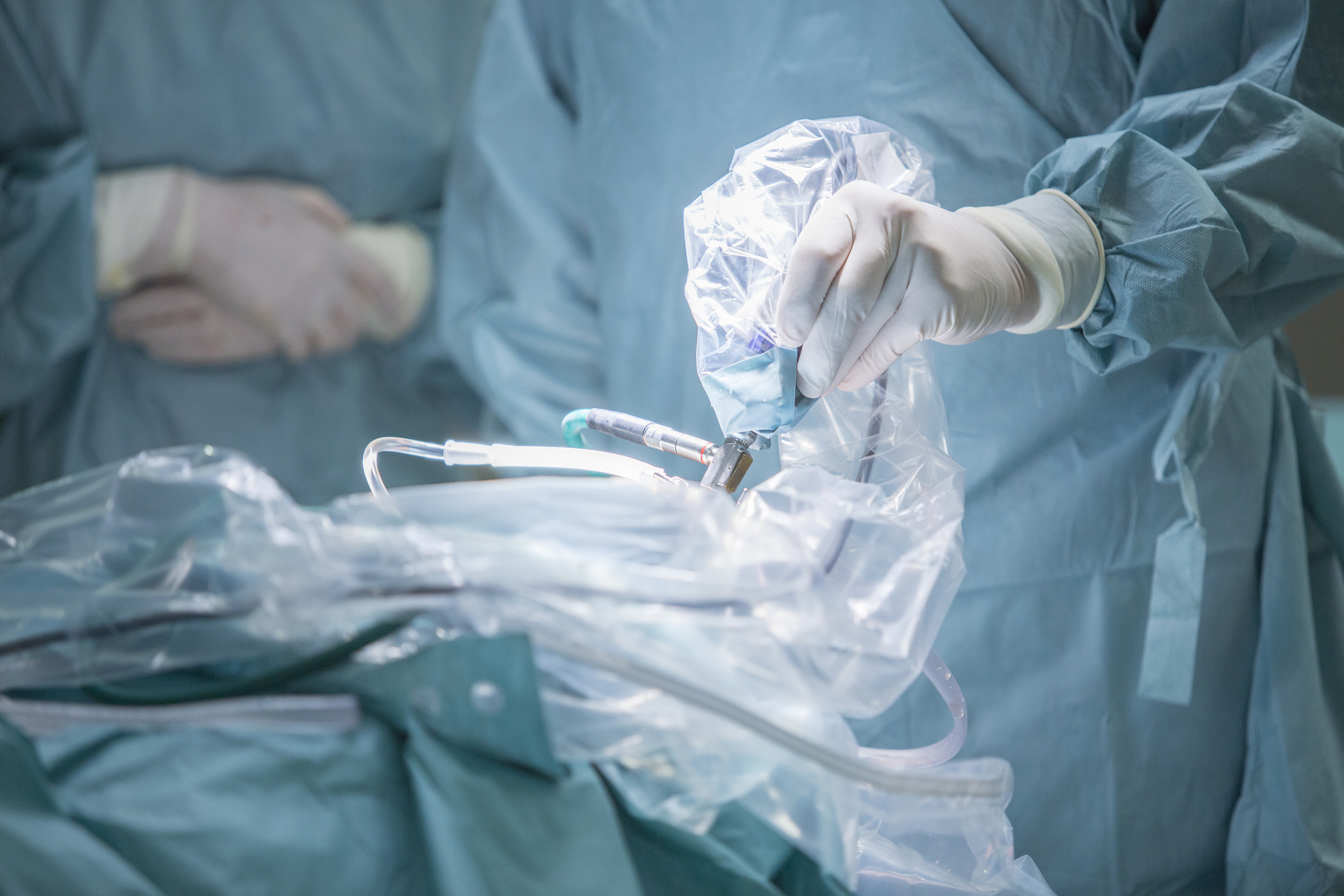
ACL reconstruction is typically performed arthroscopically using small incisions around the knee. An arthroscope, a small camera, is inserted through one incision to allow the surgeon to view the inside of the knee on a monitor. Small surgical instruments are inserted through another incision to remove the injured ligament, prepare the site for the ACL graft, and place the new graft.
Small tunnels are created in the femur (thighbone), and tibia (shinbone), where the original ACL attached. The graft is passed through these tunnels and secured in place with surgical fixation devices. Over time, the graft heals within the bone and functions as the new ACL, helping restore stability to the knee.
During the procedure, the surgeon can also examine other structures inside the knee, including the meniscus and cartilage, and address additional injuries when appropriate.
What Conditions Can ACL Reconstruction Treat?
ACL reconstruction is primarily used to treat ACL tears that cause instability or interfere with a patient's ability to return to desired activities.
ACL injuries may include:
Partial ACL tears – some partial tears can be treated without surgery, but reconstruction may be considered when the knee remains unstable.
Complete ACL tears – a fully torn ACL often causes instability, particularly during activities involving pivoting, cutting, or rapid changes in direction.
ACL injuries with meniscus tear – ACL tears frequently occur along with injuries to the meniscus, a type of specialized cartilage that helps cushion the knee. These injuries are often treated at the time of ACL reconstruction.
ACL injuries with other knee ligament injury – some knee injuries involving the ACL may have additional injuries to the MCL, PCL, LCL, or other stabilizing structures of the knee.
Recurrent knee instability – repeated episodes of the knee giving way after an ACL injury can interfere with activity and may increase the risk of additional damage inside the joint.
The treatment recommended depends on the severity of the injury, the stability of the knee, and the patient's activity goals.
Types of ACL Grafts
Several types of grafts may be used during ACL reconstruction. Your surgeon will recommend the option that is most appropriate for your age, activity level, anatomy, and individual needs.
Patellar Tendon Autograft
This graft uses a portion of the patient's patellar tendon, which connects the kneecap to the shinbone. Small pieces of bone are typically taken from the kneecap and tibia along with the tendon to strongly secure the graft within the bone of the tibia and femur.
Hamstring Tendon Autograft
A hamstring graft uses one or more of the hamstring tendons from the back of the knee. The tendons are folded and prepared to strengthen the graft to replace the ACL.
Quadriceps Tendon Autograft
This graft uses a portion of the quadriceps tendon located above the kneecap, providing a thick, strong graft to replace the ACL. Depending on the surgical technique, the graft may include a small piece of bone from the kneecap.
Allograft
An allograft uses donor tissue rather than the patient's own tendon. This may be appropriate for certain patients depending on their age, activity level, previous surgeries, and other factors.
When Is ACL Reconstruction Recommended?
ACL reconstruction may be considered when knee instability interferes with daily activities or when a patient wants to return to sports or activities that require pivoting, cutting, jumping, or rapid changes in direction.
Your orthopedic surgeon will evaluate factors such as:
The severity of the ACL injury
The amount of instability in the knee
Your age and activity level
The sports or activities you want to return to
Whether the meniscus, cartilage, or other knee ligaments are also injured
Previous knee injuries or surgeries
Whether nonsurgical treatment has provided enough stability and function
For younger or highly active patients, restoring stability may also help reduce repeated episodes of the knee giving way and reduce the risk of additional injury to the meniscus and cartilage.
What Happens During ACL Reconstruction?
ACL reconstruction is usually performed arthroscopically through several small incisions around th knee. A small camera allows the surgeon to view the joint and identify any additional injuries. The damaged ACL is removed, and small tunnels are created in the femur and tibia where the original ligament attached. The tendon graft is then passed through these tunnels and secured in place with surgical fixation devices.
If a meniscus tear or other injury is found, it may also be treated during the same procedure when appropriate.
Your surgeon will explain the graft choice and surgical technique recommended for your specific injury before surgery.
Recovery After ACL Reconstruction
Recovery after ACL reconstruction is a gradual process that focuses on allowing the graft to heal while restoring knee motion, strength, balance, and stability.
Patients typically begin physical therapy soon after surgery. Early rehabilitation focuses on reducing swelling, restoring range of motion, and improving muscle activation. Strengthening and more advanced exercises are gradually added as healing progresses.
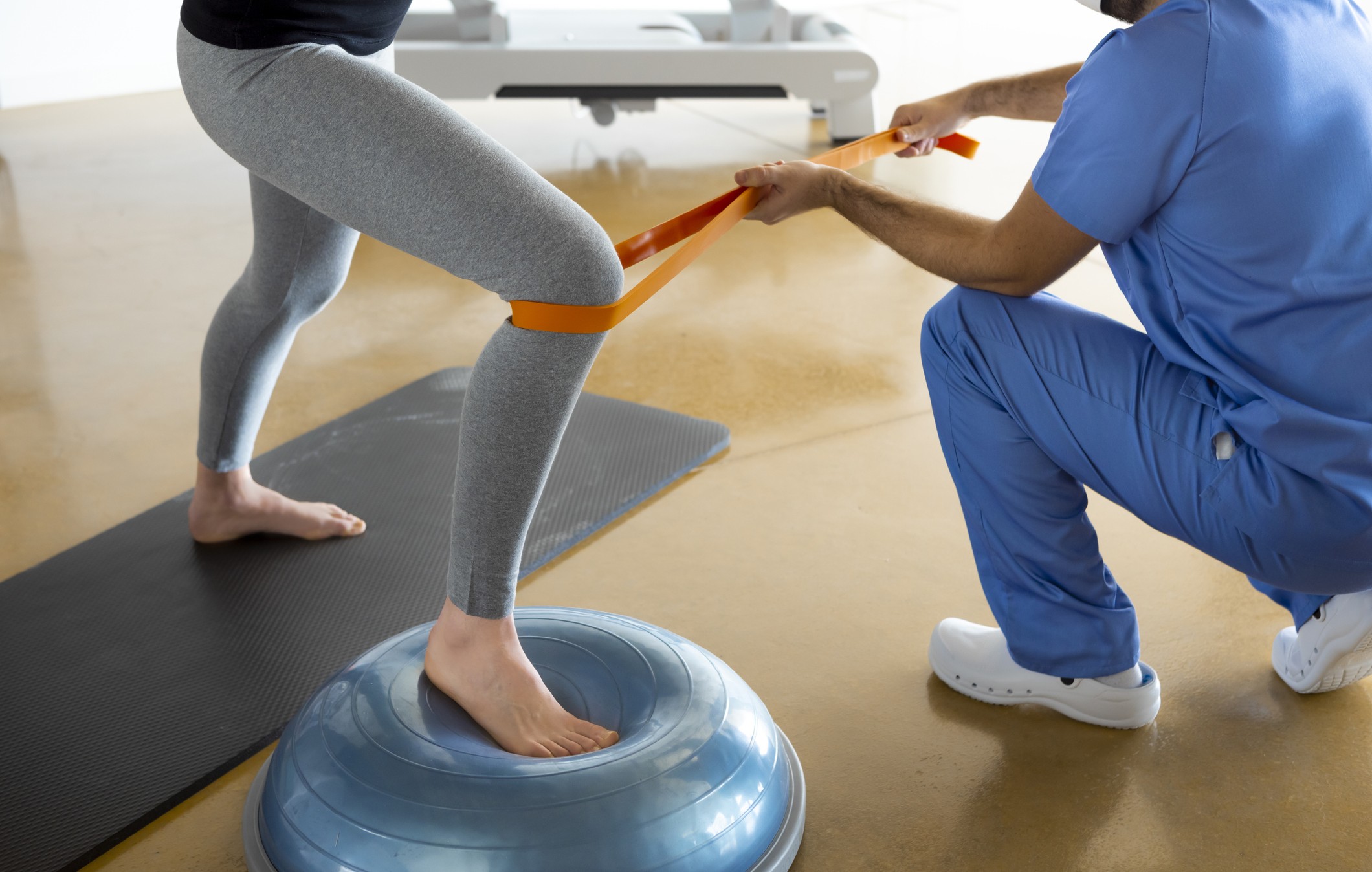
As recovery continues, patients may begin running, jumping, agility exercises, and sport-specific training when appropriate. Returning to competitive or pivoting sports generally requires several months of rehabilitation and depends on the patient’s strength, knee stability, movement quality, as well as the surgeon's assessment.
Your surgeon and physical therapist will guide your progression and determine when it is safe to return to specific activities.

Quick Links
Get In Touch
Fax: (512) 476-2832
© 2026 Orthopaedic Specialists of Austin. All Rights Reserved. Accessibility Statement - Privacy Policy - Sitemap