
Phone: (512) 476-2830

Joint Replacement
Improve Your Ability to Perform Daily Functions
Is joint pain interfering with your quality of life? Has your lost range of motion affected your ability to complete daily tasks? Restoring or replacing arthritic or damaged joints can ease your pain and improve your ability to perform daily functions. Our joint replacement specialists can help patients resume their lives through total joint replacement.
Total joint replacement is a surgical procedure in which parts of an arthritic or damaged joint are removed and replaced with a metal, plastic, or ceramic prosthetic device. These devices are designed to replicate the movement of a normal, healthy joint.

MEET OUR Joint Replacement Specialists

David Dodgin, M.D.
Physicians

Andrew Ebert, M.D.
Physicians

E. Matthew Heinrich, M.D.
Physicians

Edward Seade, M.D.
Physicians
What joints can be replaced in a joint replacement surgery?
Total joint replacement is a commonly performed surgery at our Austin, TX, practice and throughout the entire country. The American Academy of Orthopaedic Surgeons estimates more than 400,000 are done each year. At Orthopaedic Specialists of Austin, joint replacement is possible for virtually every joint, including the ankle, foot, shoulder, elbow, and finger, but the two most commonly replaced joints are the knees and hips.
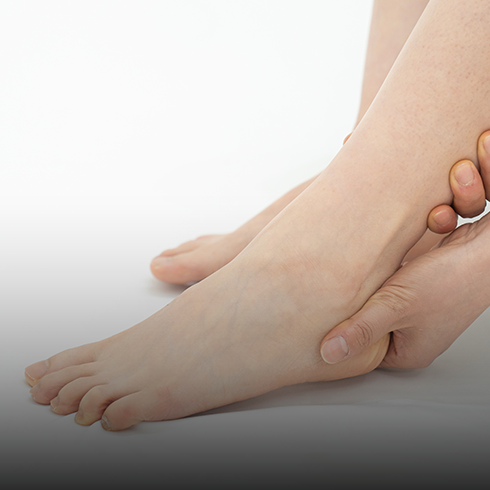
Ankle Replacement
An ankle replacement is typically recommended when arthritis has advanced to the point that pain and stiffness significantly limit daily activities. Patients with severe ankle arthritis often experience difficulty walking, standing for long periods, navigating stairs, or participating in the activities they enjoy. During an ankle replacement procedure, the damaged portions of the ankle joint are removed and replaced with an artificial joint designed to restore movement and reduce pain, helping patients return to a more active lifestyle.

Knee Replacement
An advanced stage of osteoarthritis is typically the main reason for a knee replacement. Patients who need this surgery have severe pain in their knee that can prevent them from climbing stairs, getting up after sitting, and even walking. During this procedure, your doctor will remove damaged bone and cartilage from your shinbone, thighbone, and kneecap. The removed bone and cartilage will then be replaced with an artificial joint that functions like your natural knee.

Hip Replacement
Similar to a knee replacement, a hip typically needs to be replaced due to an advanced stage of arthritis. Patients who suffer from this severe pain have difficulty walking, getting dressed, climbing stairs, and even sleeping. During your hip replacement procedure, your doctor will remove the damaged sections of your hip and replace them with an artificial joint that functions just like your natural hip.

Shoulder Replacement
A shoulder replacement surgery involves replacing the head of the humerus (upper arm bone) with a metal ball, and placing a plastic surface in its socket. Dr. Edward Seade performs shoulder replacement at our Austin, TX, practice to help patients suffering with arthritis, severe fractures, and other conditions. He recommends this surgery only if more conservative treatments fail relieve painful symptoms. Following an exam, Dr. Seade can determine if shoulder replacement is the best solution for your needs.
Why Would I Need a Total Joint Replacement?
Potential Causes of Your Joint Pain
Joint Injury
Surgery can repair joints that have become damaged as a result of trauma. One common reason for a hip replacement is a fracture resulting from a fall.
Osteoarthritis
This type of arthritis is a result of normal wear and tear on a joint. This typically occurs as we age, but younger adults can also suffer from the condition. When the osteoarthritis worsens to the point where traditional therapies and pain medications offer no relief, a joint replacement may be suggested.
Rheumatoid Arthritis
This form of arthritis is an autoimmune disease that attacks the fluid surrounding your joints, causing chronic inflammation. This damages the cartilage and eventually wears it down, causing there to be little to no cushion between the bones. Total joint replacement surgery may be recommended if other medications and therapies fail to provide relief.
Benefits of Joint Replacement Live Life to the Fullest
Long-Lasting Support
At Orthopaedic Specialists of Austin, our patients benefit from top-quality implants that can last up to 20 years with proper care. In most adult patients, joint replacement is a life-long solution. Naturally, younger individuals may need an additional replacement over time, or as their body develops.
Improved Quality of Life
Joint replacement surgery should be reserved for patients who can no longer control their pain with conservative treatment or those with severe joint damage. By replacing the damaged joint, our doctors can alleviate pain and discomfort and restore your ability to perform daily activities.
Rapid Recovery
Many of our patients can walk or apply pressure to their new joints on the day of surgery. Following rehabilitation and physical therapy, many patients can return to their daily activities and continue to participate in their favorite hobbies including golfing, swimming, or hiking.

The Process of Joint Replacement Surgery
Our doctors are trained in the latest techniques of orthopedic surgery to provide the best possible results. Whether you are getting a knee, hip, ankle, or wrist replacement, the processes have many similarities:
Consultation
Each procedure starts with scheduling a consultation at our Austin, TX, office. There, our doctors will go over your symptoms, medical history, and the condition of your joint and its surrounding muscles. This is also a good time for you to ask any questions about the procedure.
Preparation
In the weeks leading up to surgery, your doctor will tell you which medications to stop taking and may recommend certain exercises and dietary changes. You should also prepare your home to accommodate your needs after surgery. Things like a shower bench, handrails, or a grabbing device could all be useful post-operation.
Surgery
You will be given anesthesia to ensure you are kept comfortable and pain-free throughout the entire procedure. Our doctors use the most advanced arthroscopic and robotic-assisted surgical tools to create the smallest possible incisions during your operation. After the incisions are made, they will remove the damaged cartilage and bone from your joint and replace the tissue with a prosthetic that mimics their shape and movement.
Recovery
This is considered an outpatient procedure, so you will be able to go home the same day as your surgery. You will need someone to drive you to and from your appointment. Most patients will be able to begin standing and walking for a short amount of time almost immediately after surgery.
Aftercare
It is important to follow Dr. Heinrich and Dr. Dodgin's care instructions to ensure the quickest and safest recovery. Patients are typically able to resume most daily activities around six weeks post-operation. Low-impact activities can be resumed after your recovery per your doctor's instructions. However, high-impact activities—especially after a knee or hip replacement—might need to be avoided altogether. Activities like swimming, hiking, or biking can be resumed following recovery, and your new joint should provide you with pain-free mobility for more than 15 years.

Nerve Damage
Like most any surgery, joint replacement also has the potential of causing nerve damage. If nerve damage has occurred, you will notice a lack of sensation in areas near the surgical site. While this side effect can be an annoyance, it is not considered an emergency.
Infection
Your wound may be infected if you notice an increase in redness, tenderness, swelling, pain, and drainage from the procedure area. You will need to contact your doctor right away so they can assess your joint and determine if another surgery to remove the replacement is needed for the infection to heal.
Blood Clots
You may have a blood clot if you are noticing throbbing pain, increased inflammation, increased redness, and increased warmth. The symptoms can be similar to those of an infection, so this needs to be treated by your doctor right away. Quick treatment is crucial because blood clots can lead to severe complications, and can be fatal in some cases.
Prosthesis Problems
Although rare, a loosening or dislocated prosthesis is a potential side effect that needs to be immediately treated by your doctor. Contact Dr. Heinrich or Dr. Dodgin if you are experiencing any feeling of instability, increased swelling, or increased pain, as these might be a sign of an issue with your prosthetic.
Are there any risks associated with joint replacement surgery?
Temporary pain, swelling, and bruising are normal after surgery, and should subside within a few weeks to months. However, all surgeries involve risks that patients should understand before deciding to undergo treatment. You can minimize these risks by choosing a qualified and reputable surgeon and following their instructions as carefully as you can during recovery.
Am I a Good Candidate for Joint Replacement?
Often, any patient who has tried all other non-invasive treatments and has seen no results is a good candidate for joint replacement. However, some factors can affect your candidacy:

Age
Total joint replacement is usually recommended for people between the ages of 55 and 80.

Health
Any underlying medical conditions need to be addressed with your surgeon before your procedure. Your candidacy will depend on the type and severity of your underlying disease.

Weight
Severely overweight or obese patients may not be good candidates for a joint replacement. The excess weight adds stress to the artificial joint and can sometimes lead to its failure.

Smoking
It will be recommended that you stop smoking before and after your joint replacement. Studies have shown there is a higher risk of medical complications and a need for a joint revision in patients who smoke.
For Long-Lasting Solutions and a Quicker Recovery
Our total joint replacement specialists focus on providing the least invasive treatment possible that gives you the best results. Patients from all over Texas choose our doctors when they are having knee, hip, or any joint pain because they are:
Skilled
Our surgeons will only recommend surgery after more conservative treatments have failed. They use the latest techniques and technology in orthopedics to provide minimally invasive options whenever possible.
Experienced
All our surgeons have more than a decade of orthopedic experience. They have completed numerous joint replacements and understand what it takes to produce quality results and a quick recovery.
Caring
Our doctors will make your comfort and rehabilitation their mission when treating your joint-related pain. Their number one goal is to improve your quality of life by alleviating your pain and restoring your mobility.
What Our Patients Say


Quick Links
Get In Touch
Fax: (512) 476-2832
© 2026 Orthopaedic Specialists of Austin. All Rights Reserved. Accessibility Statement - Privacy Policy - Sitemap


I saw Dr Kay for my carpal tunnel symptoms and proceeded with surgery. He was very professional and thorough . The location was great; the process wasn’t stressful at all. He did a great job!! Thank you Dr Kay and staff.
Patient