
Phone: (512) 476-2830

Biceps
Biceps Tear & Tendonitis Treatment in Austin, TX
Specialized Care for Biceps Tendon Injuries and Tendonitis
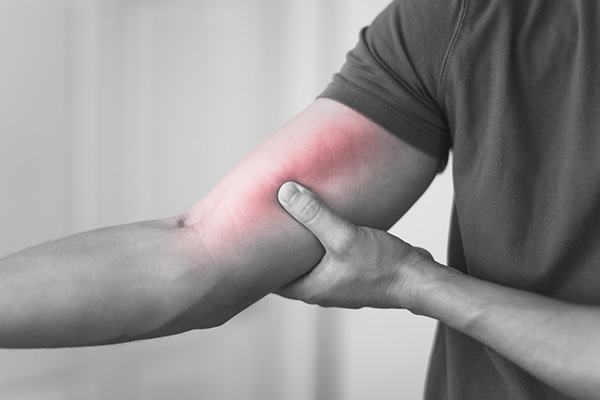
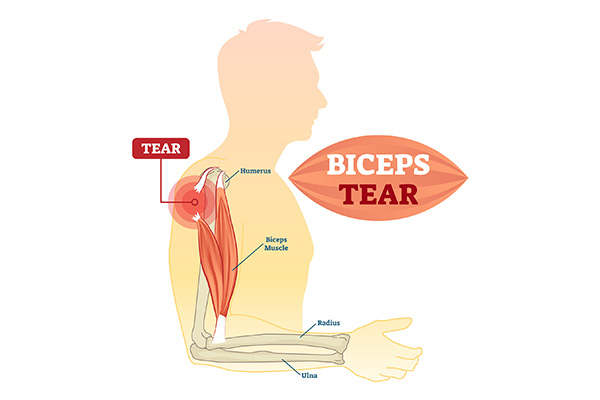
The biceps muscle is located at the front of the upper arm and helps you bend your elbow, rotate your forearm, and perform many lifting and reaching movements. Tendons attach the biceps muscle to bones at the shoulder and elbow. When a biceps tendon becomes irritated, inflamed, or torn, it can cause pain, weakness, and difficulty using the arm.
Biceps tendonitis develops when a biceps tendon becomes irritated, often from repetitive use or overuse. A biceps tendon tear occurs when the tendon partially or completely separates from its attachment.
At Orthopaedic Specialists of Austin, our board-certified, fellowship-trained orthopedic specialists evaluate and treat biceps tendonitis and biceps tendon tears. Treatment depends on where the tendon is injured, the severity of the injury, your symptoms, and how the condition is affecting your daily activities.
Getting an accurate diagnosis can help determine the right treatment and prevent continued stress on the injured tendon.
Meet Our Doctors

Conner Patrick, M.D.
Physicians

Signs of a Biceps Tendon Injury
Biceps tendon injuries can affect the shoulder or elbow. Symptoms may develop gradually with tendonitis or begin suddenly when a tendon tears.
Common symptoms include:
- Pain in the front of the shoulder or upper arm
- Pain that becomes worse with lifting or overhead activity
- Tenderness around the shoulder or elbow
- Weakness when bending the elbow or rotating the forearm
- A popping sensation at the time of injury
- Bruising or swelling in the upper arm
- Muscle cramping
- Difficulty lifting or carrying objects
A visible bulge in the upper arm after some biceps tendon tears
What Causes Biceps Tendonitis and Biceps Tendon Tears?
Biceps tendon issues may develop gradually from repeated stress or occur suddenly during an injury.
Biceps tendonitis is commonly associated with repetitive shoulder movement and overuse. It may occur along with other shoulder conditions, including rotator cuff injuries.
A biceps tendon tear can occur when too much force is placed on the tendon. Tears can also develop in a tendon that has weakened over time.
Common causes and risk factors include:
- Repetitive overhead activity
- Sports that involve throwing, lifting, or repeated arm movements
- Weightlifting
- Lifting or catching a heavy object
- A fall or sudden injury
- Wear and weakening of the tendon over time
- Previous shoulder injuries
- Rotator cuff problems
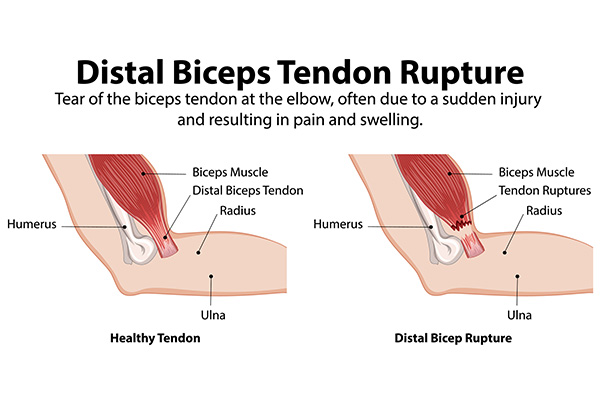
Proximal vs. Distal Biceps Tendon Tears
The location of a biceps tendon tear is important because injuries near the shoulder and elbow are treated differently.
A proximal biceps tendon tear occurs at the shoulder. This is the more common type of biceps tendon tear and often involves the long head of the biceps tendon. Some patients can maintain good arm function without surgery, depending on their symptoms and activity needs.
A distal biceps tendon tear occurs at the elbow, where the biceps tendon attaches to the forearm bone (radial tuberosity). A complete distal tear can cause significant loss of strength, particularly when rotating the forearm. Surgery may be recommended for active patients who want to restore strength and function.

Non-Surgical Treatments may include:
Biceps tendonitis and some biceps tendon tears can be treated without surgery.
Treatment may include:
Rest and activity modification
Anti-inflammatory medications
Ice to help reduce pain and swelling
Physical therapy
Stretching and strengthening exercises
Corticosteroid injections when appropriate
Gradual return to normal activities
For tendonitis, treatment focuses on reducing irritation and improving shoulder strength and movement. Some proximal biceps tendon tears can also be managed without surgery when pain and weakness do not significantly interfere with daily activities.
Surgical Options may include:
Surgery may be recommended for certain complete tendon tears, continued pain or weakness, or injuries that significantly limit work, sports, or daily activities.
Surgical treatment may include:
Biceps tenodesis (reattaching the long head of the biceps tendon to the humerus)
Biceps tenotomy (cutting the long head of the biceps tendon)
Distal biceps tendon repair (reattaches the torn tendon near the elbow to help restore arm strength)
Your surgeon will discuss whether surgery is appropriate based on your injury, activity level, and goals.

What to Expect at Your Appointment
Your physician will first determine whether your symptoms are coming from the biceps tendon or another part of the shoulder or elbow.
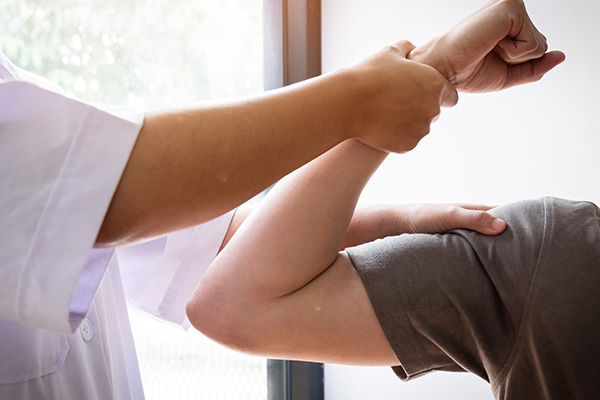
Your appointment may include:
A discussion of when and how your symptoms began
A physical examination of the shoulder, upper arm, and elbow
Evaluation of arm strength and range of motion
Tests that check biceps tendon function
X-rays when appropriate
MRI or ultrasound when additional imaging is needed
A treatment plan based on the type and location of your injury
Your physician will explain the diagnosis and discuss the treatment options that fit your needs.
Why Choose Orthopaedic Specialists of Austin for Biceps Tendon Care?
Biceps tendon injuries can affect shoulder movement, elbow function, arm strength, and your ability to perform everyday activities. Determining exactly where the tendon is injured is an important part of choosing the right treatment.
Patients at Orthopaedic Specialists of Austin benefit from:
Board-certified, fellowship-trained orthopedic and sports medicine specialists
Care for shoulder and elbow tendon injuries
Evaluation of acute and overuse injuries
Advanced diagnostic imaging
Non-surgical treatment options
Surgical repair when appropriate
Physical therapy and rehabilitation
Care based on your activity level and recovery goals
Our team works with you to reduce pain, restore strength, and help you return to work, exercise, sports, and everyday activities.
Get Help for Biceps Pain or Injury
Ongoing pain in the front of the shoulder or sudden pain and weakness in the upper arm or elbow may be a sign of a biceps tendon injury. An orthopedic evaluation can determine whether your symptoms are caused by tendonitis, a tendon tear, or another condition.
Schedule an appointment with Orthopaedic Specialists of Austin for evaluation and treatment of biceps tendonitis or a biceps tendon tear.
What is the difference between biceps tendonitis and a biceps tendon tear?
Biceps tendonitis is irritation of the tendon that often develops from repetitive use or overuse. A biceps tendon tear means the tendon has partially or completely torn. Tears may occur suddenly or develop in a tendon that has weakened over time.
Where does a biceps tendon tear occur?
A biceps tendon can tear near the shoulder or near the elbow. A proximal biceps tendon tear occurs at the shoulder and is more common. A distal biceps tendon tear occurs at the elbow and can cause a greater loss of strength.
What does a torn biceps tendon feel like?
A sudden tear may cause sharp pain and a popping sensation. Bruising, swelling, weakness, cramping, and a visible change in the shape of the biceps muscle can also occur.
Does biceps tendonitis require surgery?
Most cases of biceps tendonitis are treated without surgery. Rest, activity changes, medication, and physical therapy may help reduce pain and improve function. Surgery may be considered when symptoms continue despite treatment or when other shoulder problems are present.
Does a biceps tendon tear always require surgery?
No. Some proximal biceps tendon tears can be treated without surgery. Complete distal biceps tendon tears are more likely to require surgical repair when restoring arm strength is important. Your physician will consider the location of the tear, your symptoms, activity level, and goals.
How is a biceps tendon injury diagnosed?
Diagnosis usually includes a physical examination and evaluation of arm strength and movement. An ultrasound or MRI may be used to determine whether the tendon is irritated, partially torn, or completely torn and to look for other injuries.
How long does it take to recover from a biceps tendon injury?
Recovery depends on the type and severity of the injury and whether surgery is needed. Tendonitis may improve with a period of treatment and rehabilitation, while recovery after tendon repair can take several months.
Can I continue exercising with biceps tendonitis?
You may need to temporarily change or avoid movements that cause pain. Your physician or physical therapist can help determine which activities are safe and how to gradually return to exercise.
Do you offer same-day appointments for biceps injuries?
If you experience sudden arm pain, bruising, weakness, or a popping sensation, contact our office. Our team can help determine the next appropriate step and find the earliest appointment with the right specialist.
FAQs
What Our Patients Say


Quick Links
Get In Touch
Fax: (512) 476-2832
© 2026 Orthopaedic Specialists of Austin. All Rights Reserved. Accessibility Statement - Privacy Policy - Sitemap


I saw Dr Kay for my carpal tunnel symptoms and proceeded with surgery. He was very professional and thorough . The location was great; the process wasn’t stressful at all. He did a great job!! Thank you Dr Kay and staff.
Patient