
Phone: (512) 476-2830

Hamstring Strains & Tears
Hamstring Injury Treatment,in Austin, TX
Specialized Care for Hamstring Strains and Tears to Restore Strength, Mobility and Function
Hamstring injuries are among the most common muscle injuries affecting athletes and active adults. From mild strains to complete tendon tears, these injuries can limit strength, reduce mobility, and make returning to sports or physical activity challenging without proper treatment.
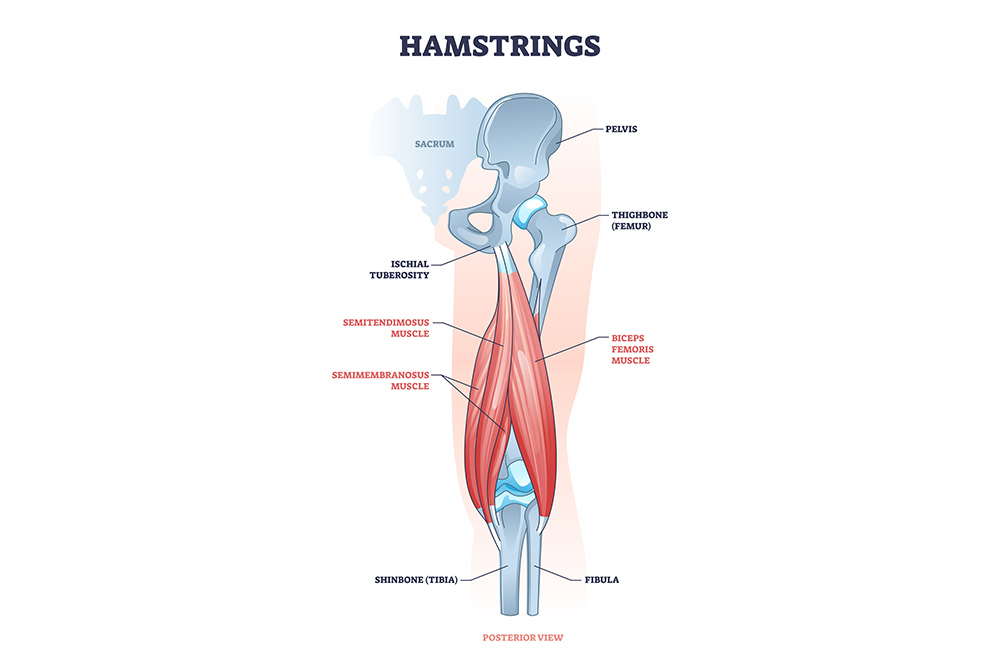
Hamstring injuries occur when one or more of the muscles or tendons along the back of the thigh become overstretched or torn. They are among the most common injuries affecting athletes, active adults, and individuals whose jobs require sudden movements or heavy physical activity.
At Orthopaedic Specialists of Austin, our fellowship-trained sports medicine specialist diagnoses and treats the full spectrum of hamstring injuries from mild muscle strains to complete tendon tears. We develop individualized treatment plans that focus on relieving pain, restoring strength, and helping patients safely return to work, sports, and everyday activities.
Whether your injury happened during competition, exercise, or an unexpected fall, early evaluation can help determine the severity of the injury and guide the most effective recovery plan.

Meet Our Doctors

Conner Patrick, M.D.
Physicians
When to See a Sports Medicine Specialist
Pain in the back of the thigh may indicate anything from a mild muscle strain to a significant tendon tear. If your symptoms are severe or not improving, it's important to be evaluated by a sports medicine specialist.
Common signs and symptoms include:
Sudden pain in the back of the thigh
A popping or tearing sensation during activity
Swelling or tenderness
Bruising that develops along the thigh
Weakness when bending the knee or extending the hip
Difficulty walking, running, or climbing stairs
Pain with stretching the hamstring
Reduced flexibility or loss of athletic performance
A timely evaluation helps determine whether you've experienced a muscle strain, partial tendon tear, or complete hamstring tendon rupture.
What Causes Hamstring Strains and Tears?
The hamstring muscles work together to bend the knee, extend the hip, and generate power during walking, running, and jumping. These injuries often occur when the muscles are overloaded during rapid or forceful movements.
Common causes include:
Sprinting or sudden acceleration
Quick changes in direction
Jumping and explosive movements
Slipping or falling
Muscle fatigue
Limited flexibility
Muscle imbalance
Previous hamstring injury
Overuse from repetitive athletic activity
Our specialists evaluate both the injury itself and the factors that may have contributed to it, helping reduce the risk of future hamstring injuries.


Non-surgical treatments may include:
Temporary activity modification
Structured physical therapy
Progressive strengthening and flexibility exercises
Ice and compression during the early stages of healing
Anti-inflammatory medications when appropriate
Functional rehabilitation designed for a safe return to activity
Many hamstring strains and partial tears heal successfully without surgery when treated early and followed by an appropriate rehabilitation program.
Surgical options may include:
Repair of complete hamstring tendon tears
Repair of proximal hamstring avulsions
Tendon reconstruction in select cases
Surgical treatment for chronic injuries that have not responded to conservative care
When surgery is recommended, our specialists utilize advanced, minimally-invasive repair techniques focused on restoring tendon function while supporting long-term recovery.


What to Expect at Your Appointment
Your visit begins with a comprehensive evaluation to understand the cause of your symptoms and your functional goals.
What to Expect During Your Appointment
Your evaluation begins with understanding how the injury occurred, the severity of your symptoms, and how the injury is affecting your daily activities.
During your visit, your physician may:
Review your medical history and mechanism of injury
Examine the hamstring, hip, and knee
Assess strength, flexibility, walking pattern, and range of motion
Evaluate for tendon involvement or complete rupture
Recommend imaging such as MRI or ultrasound when appropriate
Develop an individualized recovery plan
Our goal is to provide a clear diagnosis and help you understand every stage of your treatment and rehabilitation.
Why Choose Orthopaedic Specialists of Austin for Hamstring Injury Care?
Recovering from a hamstring injury requires more than simply resting the muscle. Our physicians work closely with rehabilitation specialists to restore flexibility, rebuild strength, and reduce the risk of reinjury.
Patients benefit from:
Fellowship-trained sports medicine physicians
Expertise treating muscle, tendon, and sports-related injuries
Advanced imaging to accurately diagnose hamstring injuries
Individualized rehabilitation plans based on your activity level
Collaboration with experienced physical therapists throughout recovery
Comprehensive care from diagnosis through return to activity
Our team is committed to helping patients recover safely while returning to the activities they enjoy with greater confidence.
Start Your Recovery Today
A hamstring injury doesn't have to keep you from living an active life. Whether you've experienced a mild strain or a complete tendon tear, early treatment can improve healing and help prevent future problems.
Schedule an appointment with our sports medicine specialists to begin your recovery.
What is the difference between a hamstring strain and a hamstring tear?
A hamstring strain refers to stretching or injury of the muscle fibers, while a hamstring tear involves partial or complete disruption of the muscle or tendon. More severe tears may require surgical repair.
Can a hamstring tear heal without surgery?
Many partial hamstring tears improve with physical therapy and activity modification. Complete tendon tears or avulsion injuries often require surgery to restore normal function.
How is a hamstring injury diagnosed?
Your physician will perform a physical examination and may recommend MRI or ultrasound imaging to determine the location and severity of the injury.
What is a proximal hamstring tear?
A proximal hamstring tear occurs where the hamstring tendons attach to the pelvis. These injuries often cause significant pain, bruising, weakness, and difficulty walking and may require surgical repair.
How long does recovery take?
Recovery depends on the severity of the injury. Mild strains may heal within several weeks, while complete tendon tears requiring surgery may take several months of rehabilitation.
Can hamstring injuries happen again?
Yes. Previous hamstring injury is one of the strongest risk factors for reinjury. Completing rehabilitation and regaining full strength and flexibility before returning to activity can significantly reduce this risk.
Do you offer same-day appointments?
Same-day appointments may be available for acute knee injuries depending on provider availability. Our team works to evaluate urgent injuries as quickly as possible.
FAQs
What Our Patients Say


Quick Links
Get In Touch
Fax: (512) 476-2832
© 2026 Orthopaedic Specialists of Austin. All Rights Reserved. Accessibility Statement - Privacy Policy - Sitemap


I saw Dr Kay for my carpal tunnel symptoms and proceeded with surgery. He was very professional and thorough . The location was great; the process wasn’t stressful at all. He did a great job!! Thank you Dr Kay and staff.
Patient