
Phone: (512) 476-2830

Heel Surgery
What is heel surgery and what can it treat?
Heel surgery is a minimally invasive procedure with incredibly life-changing results. It can treat conditions like heel spurs and plantar fasciitis, bringing you the relief you deserve.
Exercise, injuries, and aging can create heel spurs, leading to daily pain. They can also impede your mobility and cause plantar fasciitis. Thankfully, there is an effective treatment that can alleviate your pain and address your bone spurs: heel surgery.

MEET OUR SPECIALISTS

Andrew Ebert, M.D.
Physicians
About Bone Spurs
Heel spurs, or calcaneal spurs, are painful growths that can form on your foot. They are calcium deposits that accumulate between the heel and arch due to stress on the foot ligaments. Unfortunately, spurs can impede your mobility and bring daily heel pain. If you develop bone spurs, the Orthopedic Specialists of Austin in the Austin, TX, area can restore your comfort and mobility through surgical treatment. To help you understand how this surgery can benefit you, let's first take a look at the causes of bone spurs.
Bone spurs often form where two joints meet. They can develop on your heels, along with other places on your body, such as your ankles, hips, and spine. Bone spurs can also affect a larger section of your foot: the plantar fascia.
What symptoms do bone spurs present?
If you have bone spurs on your heel or ankle, you're probably aware of them with every step. Symptoms include:
Swelling and inflammation
Heel pain (though not all people feel it)
Visible bone-like protrusion around the heel
Difficulty walking
What are some of the causes of bone spurs?
A variety of activities can lead to spurs along your heel bone. They include:
Routinely engaging in high-impact exercises, like running
Being born with a genetic predisposition to spurs
Receiving injuries on your foot, heel, or tendon
Having an above-average body weight
Walking abnormally
Living a sedentary lifestyle
Having flat feet
The aging process

How can I prevent bone spurs?
If you've had bone spurs in the past, you may be worried about getting them on your heel bone again. After all, not only are they painful on their own, but they can also cause other uncomfortable conditions.
Bone spurs sometimes have a genetic link, so you cannot fully prevent them. However, you can decrease your chances of developing bone spurs by implementing these changes to your lifestyle:
Exercising regularly
Maintaining a healthy weight
Using shoe inserts for support
Changing your shoes to a pair that fits better
Your bone spurs don't have to cause heel pain, stress, or decreased mobility. At Orthopedic Specialists of Austin, our doctors can expertly remove the bone spurs on your ankle or heel through surgery.
Do I Have Bunions or Heel Spurs?
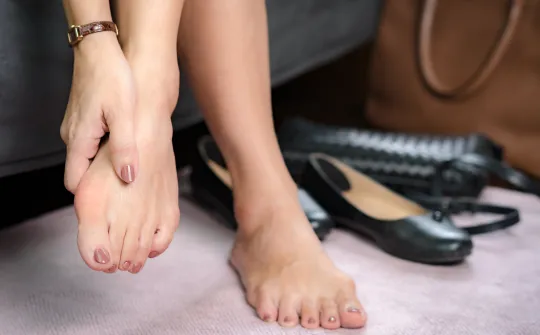
Though heel spurs and bunions both appear on your foot, they're two different conditions. Spurs usually occur on your ankle or the back of your foot at your heel. Bunions, however, form along your big toe. Bunions also have a different cause: toe bones that have shifted into the wrong areas.
Though bunions may also require surgical treatment, it's an entirely different surgical procedure than the one you would need for heel pain.

How Does Heel Spur Surgery Work?
Dr. Andrew Ebert of Orthopedic Specialists of Austin can partially or fully remove your heel bone spurs using calcaneal spur reduction, a type of outpatient surgical procedure. Here's how the process works:
Consultation
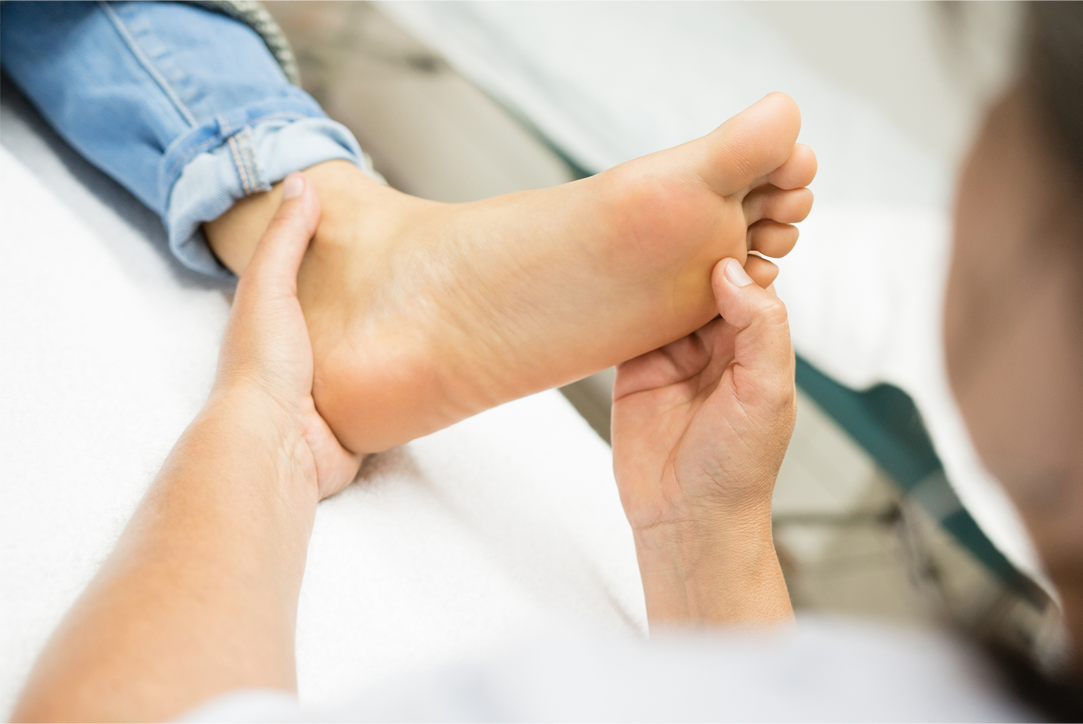
Treatment begins with a consultation at our offices serving Austin, TX. If you have prior X-rays or documentation, bring them along to streamline the process. We can also take scans in our office to determine the best course of action, such as surgery.
Sedation
The day of your surgery has arrived. During the treatment, we'll keep you comfortable. Depending on the extent of the procedure, we may use a local anesthetic combined with sedation or general anesthesia.
Surgery
During surgery, Dr. Cosculluella and Dr. Ebert will create two incisions on either side of your heel. A small camera will be inserted through one of the insertions, with surgical instruments inserted through the other incision.
Removal
Your doctor can use all of these tools to detach all or a portion of the plantar fascia from your heel bone. They may also remove the heel spur itself. The exact approach to the surgery will depend on your needs.
Closing Incisions
After the necessary work is completed, we close the incisions. After that, the surgery is done.
Rest
Your foot will be placed in a boot or cast to keep it comfortable and supported during the healing process. You'll need to refrain from many of your normal daily activities for a week.
Follow-Up
You'll return to our Austin, TX, offices anywhere from three to seven days after your heel surgery. During this time, we'll remove your bandages or sutures. We'll also check on how you're healing and answer any questions you have.
Long-Term Recovery
After your surgery, it may take anywhere from several weeks to three months for you to recover. This depends on your case and how you respond to treatment. We'll be with you every step of the way to monitor your healing process and address your questions or concerns.

The best habits you can develop and maintain are:
Wearing the proper footwear and support
Eating healthy
Giving yourself rest days
Alleviating pain with ice
Refraining from running on hard surfaces
Visiting your orthopedist as soon as you notice any problems
Choosing low-impact exercises, like swimming or water aerobics
Stretching before working out
These practices will also improve your the overall health and longevity of your feet, preventing the need for ankle surgery and other invasive procedures. Plus, the above advice can also improve the health of your entire body. Have questions about ankle, tendon, and heel care?
Why Should I Choose an Orthopedic Specialist Instead of a Podiatrist?
If you’re dealing with heel pain, bone spurs, or ongoing foot and ankle issues, choosing the right specialist matters. Orthopedic specialists are trained to evaluate and treat the full musculoskeletal system, how your bones, joints, muscles, and tendons work together, allowing for a more comprehensive approach to care.
Heel pain and bone spurs are often linked to underlying conditions involving the foot, ankle, or surrounding structures. Our orthopedic specialists are equipped to diagnose the root cause and develop a treatment plan focused on relieving pain, restoring function, and supporting long-term outcomes.
What Our Patients Say


Quick Links
Get In Touch
Fax: (512) 476-2832
© 2026 Orthopaedic Specialists of Austin. All Rights Reserved. Accessibility Statement - Privacy Policy - Sitemap

I saw Dr Kay for my carpal tunnel symptoms and proceeded with surgery. He was very professional and thorough . The location was great; the process wasn’t stressful at all. He did a great job!! Thank you Dr Kay and staff.
Patient