
Phone: (512) 476-2830

Hip Labral Tear
Hip Labral Tear Treatment in Austin, TX
Specialized Care for Hip Labral Tears to Reduce Pain and Restore Function
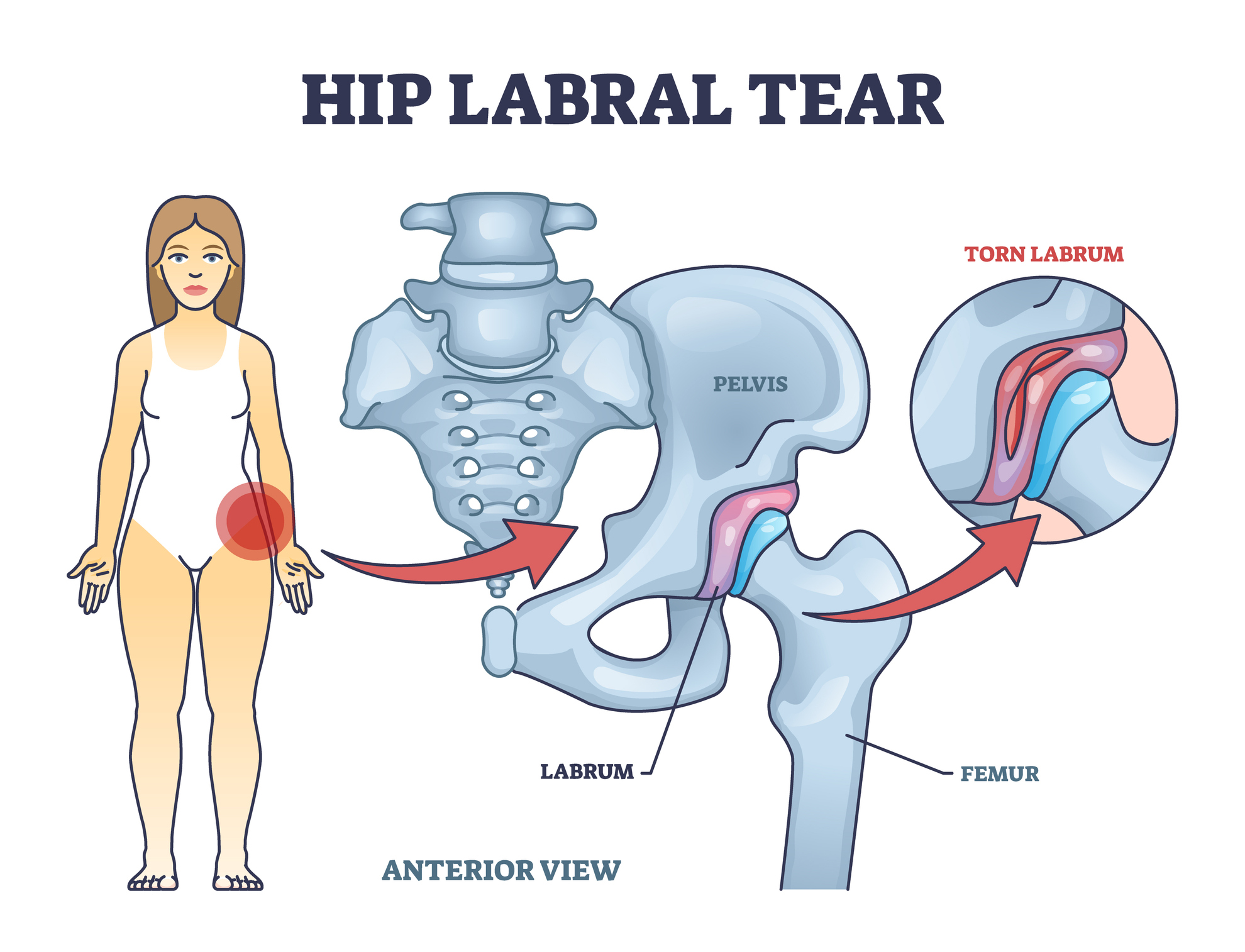
A hip labral tear can make simple activities like walking, sitting, exercising, or twisting painful and frustrating. The labrum is a ring of cartilage that surrounds the hip socket, helping stabilize the joint and provide smooth movement. When the labrum becomes torn, it can lead to pain, catching sensations, stiffness, and decreased mobility.
At Orthopaedic Specialists of Austin, our fellowship-trained sports medicine diagnose and treat hip labral tears using advanced imaging, individualized treatment plans, and minimally invasive techniques when appropriate. Our goal is to relieve pain, restore function, and help patients return to the activities they enjoy.
Whether your injury developed from sports, repetitive motion, or everyday wear and tear, early evaluation can help protect your hip joint and prevent further damage.

Meet Our Doctors

Conner Patrick, M.D.
Physicians
When to See a Sports Medicine Specialist
If hip pain is interfering with your daily routine or keeping you from staying active, it may be time to schedule an evaluation.
Common symptoms of a hip labral tear include:
Pain in the groin, front of the hip, or buttock
Clicking, popping, or catching sensations in the hip
Hip stiffness or limited range of motion
Pain with prolonged sitting or standing
Discomfort during running, pivoting, or squatting
A feeling that the hip is locking or giving way
Pain that worsens with athletic activity
Because many hip conditions share similar symptoms, an accurate diagnosis is important for selecting the most effective treatment.
What Causes a Hip Labral Tear?
Hip labral tears can occur suddenly following an injury or develop gradually over time from repetitive stress or structural abnormalities of the hip.
Common causes include:
Hip impingement (femoroacetabular impingement or FAI)
Sports involving repetitive twisting or pivoting
Traumatic injuries or falls
Hip instability
Structural differences in the hip joint
Degenerative changes associated with aging
Repetitive high-impact activities
Our specialists evaluate not only the torn labrum but also any underlying conditions that may have contributed to the injury to reduce the risk of continued pain or recurrent problems.
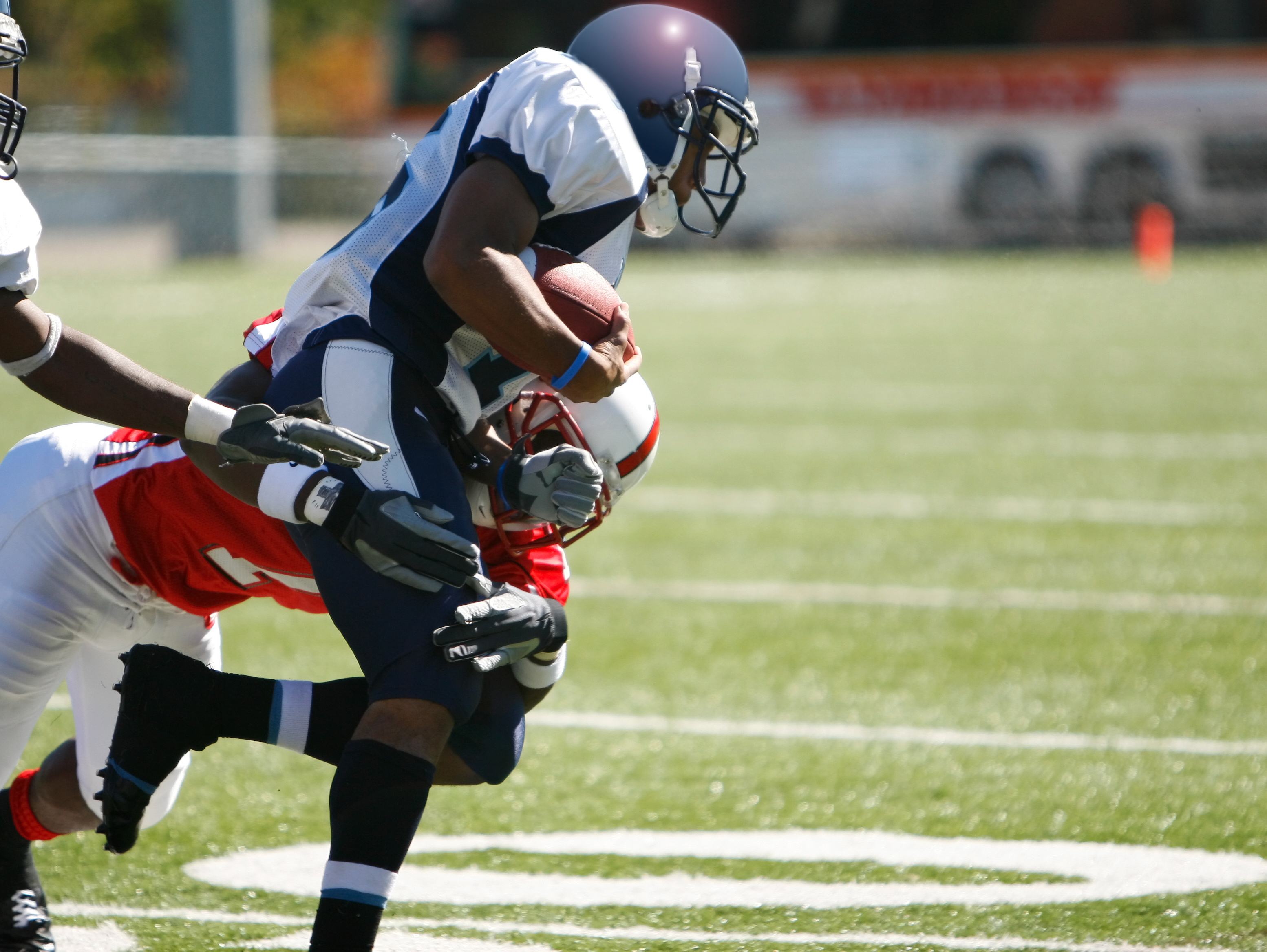
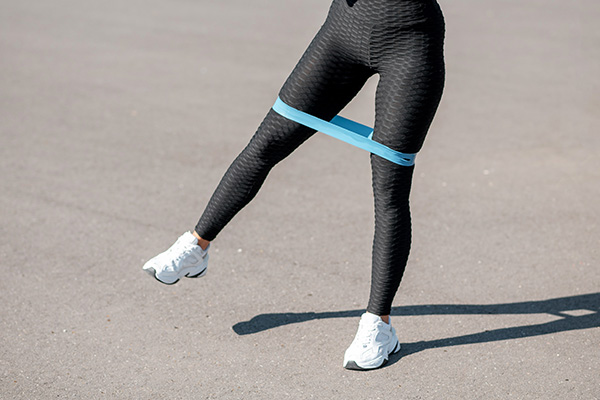
Non-surgical treatments may include:
Activity modification
Physical therapy focused on hip strength and stability
Anti-inflammatory medications
Image-guided corticosteroid injections
Flexibility and movement training
Gradual return-to-activity programs
If conservative treatment does not provide adequate relief or the tear significantly affects hip function, surgery may be recommended.
Surgical options may include:
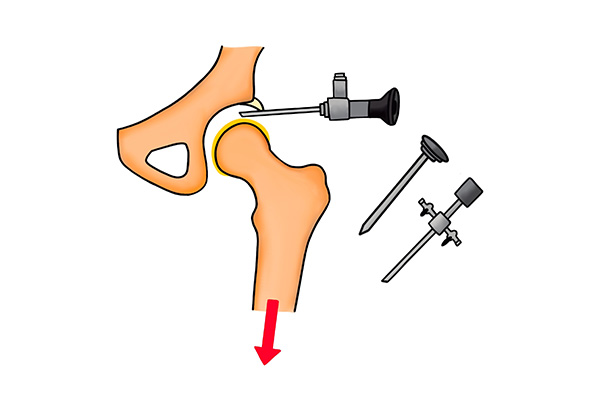
Hip arthroscopy
Labral repair
Labral reconstruction when appropriate
Treatment of underlying hip impingement (FAI)
Cartilage preservation procedures
Whenever possible, our surgeons utilize minimally invasive arthroscopic techniques designed to preserve the natural hip joint while promoting recovery.

What to Expect During Your Appointment
Your evaluation is designed to determine the source of your hip pain and develop a treatment plan that fits your lifestyle and goals.
You can expect:
During your visit, you can expect:
A discussion of your symptoms, activity level, and medical history
A comprehensive hip examination
Assessment of hip strength, flexibility, and range of motion
X-rays and MRI when appropriate
A personalized treatment recommendation based on your diagnosis
We believe patients make the best decisions when they fully understand their condition, treatment options, and expected recovery.
Why Choose Orthopaedic Specialists of Austin for Hip Labral Tear Care?
Hip labral tears often require specialized evaluation because they frequently occur alongside other hip conditions, including femoroacetabular impingement (FAI). Our physicians take a comprehensive approach to identifying the source of pain while developing treatment plans that support both short-term recovery and long-term joint health.
Patients benefit from:
Fellowship-trained sports medicine specialists
Advanced imaging to accurately diagnose hip injuries
Individualized care plans designed around your lifestyle and goals
Expertise in minimally invasive hip arthroscopy
Coordinated rehabilitation with experienced physical therapists
Ongoing guidance from diagnosis through recovery
Our focus is helping patients return to work, athletics, and everyday activities with improved comfort, strength, and confidence.
Take the First Step Toward Lasting Hip Pain Relief
Persistent hip pain doesn't have to keep you on the sidelines. Whether your symptoms developed gradually or followed an injury, our experienced sports medicine specialists can identify the cause and recommend the treatment that's right for you.
Schedule an appointment with Orthopaedic Specialists of Austin to begin your recovery.
Advanced Sports Medicine Care Close to Home
Orthopaedic Specialists of Austin combines specialized sports medicine expertise with advanced treatment options designed to help patients recover safely and return to the activities they love.
Patients benefit from:
Fellowship-trained sports medicine specialists
Advanced diagnostic imaging
Minimally invasive arthroscopic surgery
Individualized rehabilitation programs
Coordinated care with experienced physical therapists
Comprehensive care from injury through return to activity
Our goal is to restore hip stability, improve function, and help patients return to sports, work, and everyday life with confidence.
Take the first step toward relief
A hip labral tear doesn't have to keep you from living an active lifestyle. With the right diagnosis, treatment, and rehabilitation plan, many patients successfully return to the activities they love.
Whether your goal is returning to competitive athletics, recreational sports, or simply feeling confident in your daily activities, our sports medicine team is here to help you every step of the way.
What is a hip labral tear?
A hip labral tear is an injury to the ring of cartilage that surrounds the hip socket. The labrum helps stabilize the hip joint, cushions movement, and creates a secure fit between the ball and socket.
Can a hip labral tear heal without surgery?
Some patients experience significant improvement with physical therapy, activity modification, medications, and injections. Surgery may be recommended if symptoms persist or the tear significantly affects hip function.
How is a hip labral tear diagnosed?
Diagnosis begins with a physical examination and medical history. Imaging studies such as X-rays and MRI, often with contrast (MR arthrogram), may be recommended to confirm a labral tear and identify associated hip conditions.
Is hip impingement related to a labral tear?
Yes. Hip impingement (FAI) is one of the most common causes of hip labral tears because abnormal contact between the bones of the hip can place repeated stress on the labrum.
How long does recovery take after hip labral tear surgery?
Recovery varies depending on the procedure performed and your activity level. Most patients begin physical therapy shortly after surgery, with a gradual return to sports and higher-impact activities over several months.
Do you offer same-day appointments?
Same-day appointments may be available depending on provider availability. Our team works to accommodate patients experiencing new or worsening hip pain as quickly as possible.
FAQs
What Our Patients Say


Quick Links
Get In Touch
Fax: (512) 476-2832
© 2026 Orthopaedic Specialists of Austin. All Rights Reserved. Accessibility Statement - Privacy Policy - Sitemap


I saw Dr Kay for my carpal tunnel symptoms and proceeded with surgery. He was very professional and thorough . The location was great; the process wasn’t stressful at all. He did a great job!! Thank you Dr Kay and staff.
Patient