
Phone: (512) 476-2830

Labrum tears and instability
Shoulder Labral Tear & Instability Treatment in Austin, TX
Specialized Care for Shoulder Pain, Instability, and Labral Injuries
The shoulder is designed to provide a wide range of motion, but that mobility can also make it vulnerable to injury. The labrum is a ring of cartilage that surrounds the shoulder socket and helps keep the upper arm bone securely in place. When the labrum is torn or damaged, the shoulder may become painful, unstable, or feel like it is slipping out of position.
Shoulder instability can occur after a dislocation or injury, or it may develop over time from repeated overhead movement. In some patients, instability and a labral tear occur together.
At Orthopaedic Specialists of Austin, our fellowship-trained, board-certified orthopedic specialists diagnose and treat shoulder labral tears and instability in athletes and active adults. Treatment is focused on improving stability, reducing pain, and helping you safely return to the activities you enjoy.

Meet Our Doctors
Conner Patrick, M.D.
Physicians
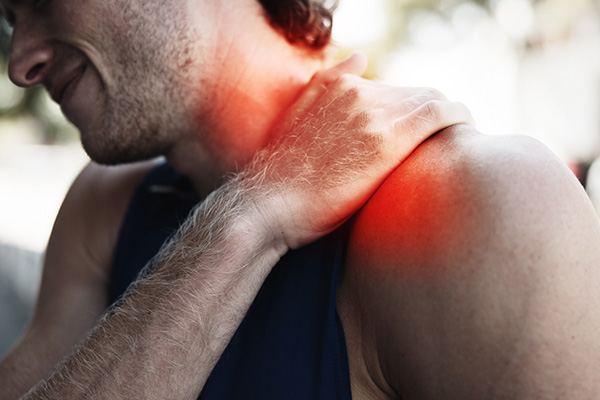
Signs You May Have a Labral Tear or Shoulder Instability
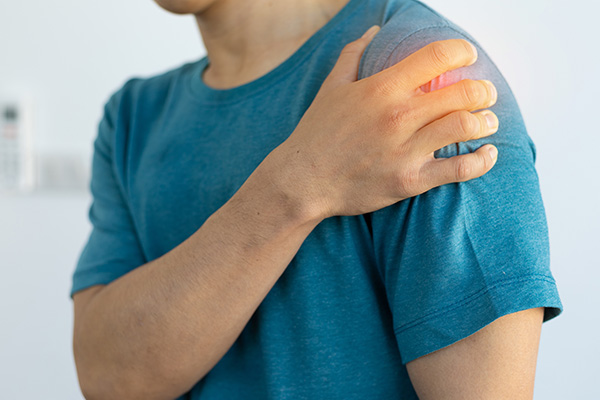
Labral injuries do not always cause the same symptoms. Some patients experience pain with certain movements, while others notice that the shoulder feels loose, catches, or repeatedly slips out of place.
Symptoms may include:
Deep pain within the shoulder
Pain with overhead movement
A catching, locking, popping, or grinding sensation
Shoulder weakness
Decreased range of motion
A feeling that the shoulder is loose or unstable
Repeated shoulder dislocations or partial dislocations
Pain during throwing or other overhead sports
Difficulty performing certain work or everyday activities
A shoulder that repeatedly gives way or feels as though it may come out of the socket should be evaluated to determine what is causing the instability.
How Do Shoulder Labral Tears and Instability Happen?
The labrum helps deepen the shoulder socket and provides additional stability to the joint. It can be damaged by a sudden injury or repetitive stress.
Common causes include:
A shoulder dislocation
Falling onto an outstretched arm
A direct blow to the shoulder
Forceful pulling or lifting
Repetitive throwing
Overhead sports such as baseball, volleyball, swimming, or tennis
Repeated overhead movements at work
Previous shoulder injuries
Some people naturally have looser shoulder joints and may develop instability without a major injury.
Different Types of Labral Tears
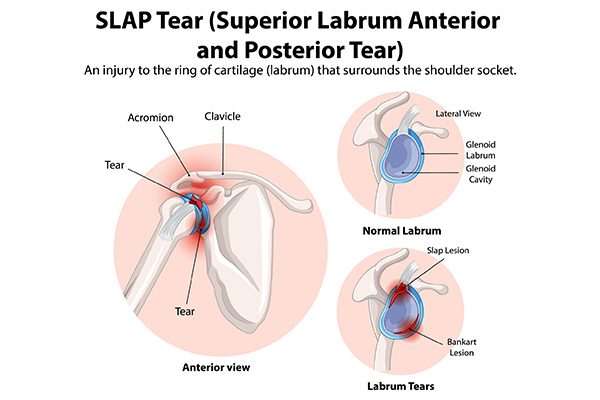
The location of the tear can affect symptoms and treatment.
A SLAP tear affects the upper portion of the labrum where the biceps tendon attaches. These injuries are often associated with repetitive overhead activity or a sudden force to the shoulder.
A Bankart tear affects the lower portion of the labrum and commonly occurs when the shoulder dislocates. A Bankart tear can contribute to repeated shoulder instability or future dislocations.
Other areas of the labrum can also be injured. Your physician will determine the location and extent of the damage during your evaluation.
Treatment for Shoulder Labral Tears and Instability
Not every labral tear or unstable shoulder requires surgery. Treatment is based on your symptoms, the type of injury, whether the shoulder has dislocated, your activity level, and whether instability continues to occur.


Non-Surgical Treatment
For some patients, treatment may begin with:
Rest and activity modification
Anti-inflammatory medications
Physical therapy
Exercises to strengthen the muscles that stabilize the shoulder
Improving shoulder movement and control
Gradual return to sports and activities
Physical therapy can be especially important for improving the strength and control of the muscles surrounding the shoulder.
Surgical Treatment
Surgery may be considered when the shoulder continues to dislocate or feel unstable, when a labral tear significantly affects shoulder function, or when symptoms continue despite non-surgical treatment.
Surgical options may include:
Arthroscopic labral repair
Bankart repair
SLAP repair when appropriate
Shoulder stabilization procedures
Treatment of other shoulder injuries found at the time of surgery
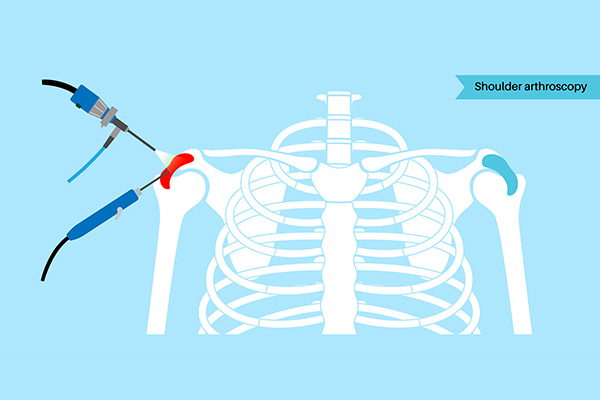
Many labral repairs can be performed arthroscopically using small incisions. The goal is to repair the damaged tissue and restore stability to the shoulder joint.
Your surgeon will recommend the procedure that best fits your specific injury and needs.
What to Expect at Your Appointment
Understanding why your shoulder hurts or feels unstable starts with identifying what is happening inside the joint.
You can expect:
Your physician will ask about your symptoms, previous shoulder injuries, dislocations, sports, and activities that cause discomfort or instability.
Your evaluation may include:
A physical examination of the shoulder
Tests to assess shoulder stability
Once the cause of your symptoms is identified, your physician will discuss your treatment options and what to expect during recovery.
Evaluation of strength and range of motion
X-rays to evaluate the bones and alignment of the shoulder
MRI or other imaging when needed to examine the labrum and surrounding structures
Why Choose Orthopaedic Specialists of Austin for Shoulder Instability Care?
Shoulder instability and labral tears can affect everyone from competitive athletes to people who simply want to work, exercise, or go about their day without worrying about their shoulder giving way.
At Orthopaedic Specialists of Austin, patients have access to:
Board-certified and fellowship-trained orthopedic specialists
Care for acute and repetitive shoulder injuries
Advanced diagnostic imaging
Non-surgical treatment options
Arthroscopic shoulder procedures
Treatment for recurrent shoulder instability
Physical therapy and rehabilitation
Care designed around your activity and recovery goals
Our team works with you throughout treatment and rehabilitation to help restore a strong, stable, functional shoulder.
Get Back to Moving Without Worrying About Your Shoulder
A shoulder that repeatedly slips, catches, hurts, or feels unstable can interfere with sports, exercise, work, and everyday life. Whether your symptoms began after a dislocation or developed gradually, finding the cause is the first step toward getting your shoulder back on track.
Schedule an appointment with Orthopaedic Specialists of Austin for evaluation of shoulder pain, a possible labral tear, or shoulder instability.
What is a shoulder labral tear?
A shoulder labral tear is an injury to the ring of cartilage surrounding the shoulder socket. Because the labrum helps stabilize the shoulder joint, a tear can cause pain, catching, weakness, or instability.
What is the difference between a SLAP tear and a Bankart tear?
A SLAP tear involves the upper portion of the labrum near the attachment of the biceps tendon. A Bankart tear occurs in the lower portion of the labrum and is commonly associated with a shoulder dislocation and recurrent instability.
Can a torn labrum cause shoulder instability?
Yes. Damage to the labrum can make it more difficult for the shoulder joint to remain stable. This is particularly common with Bankart tears that occur after a shoulder dislocation.
Can a shoulder labral tear heal without surgery?
Some labral injuries can be managed without surgery, particularly when symptoms and instability improve with physical therapy and activity modification. The location of the tear, severity of symptoms, history of dislocation, and activity level all factor into treatment.
When does shoulder instability require surgery?
Surgery may be considered when the shoulder repeatedly dislocates or partially dislocates, continues to feel unstable despite rehabilitation, or when an injury has damaged structures needed to keep the joint stable.
Can I return to sports after a labral repair?
Many athletes return to sports after surgery and rehabilitation. The timeline depends on the injury, procedure, healing, shoulder strength, and demands of the sport.
Do you offer same-day appointments for shoulder injuries?
If you have recently injured your shoulder, contact our office to discuss your symptoms. Our scheduling team can help connect you with the appropriate specialist and the earliest appointment option.
FAQs
What Our Patients Say


Quick Links
Get In Touch
Fax: (512) 476-2832
© 2026 Orthopaedic Specialists of Austin. All Rights Reserved. Accessibility Statement - Privacy Policy - Sitemap


I saw Dr Kay for my carpal tunnel symptoms and proceeded with surgery. He was very professional and thorough . The location was great; the process wasn’t stressful at all. He did a great job!! Thank you Dr Kay and staff.
Patient