
Phone: (512) 476-2830

MCL, LCL & PCL Knee Injuries
Knee Ligament Injury Treatment in Austin, TX
Specialized Care for MCL, LCL & PCL Tears and Sprains to Restore Knee Stability and Function
The ligaments of the knee play an important role in keeping the joint stable during walking, running, cutting, pivoting, and other movements. Injuries to the medial collateral ligament (MCL), lateral collateral ligament (LCL), and posterior cruciate ligament (PCL) can range from mild sprains to complete tears and may affect stability, mobility, and the ability to participate in sports or everyday activities.
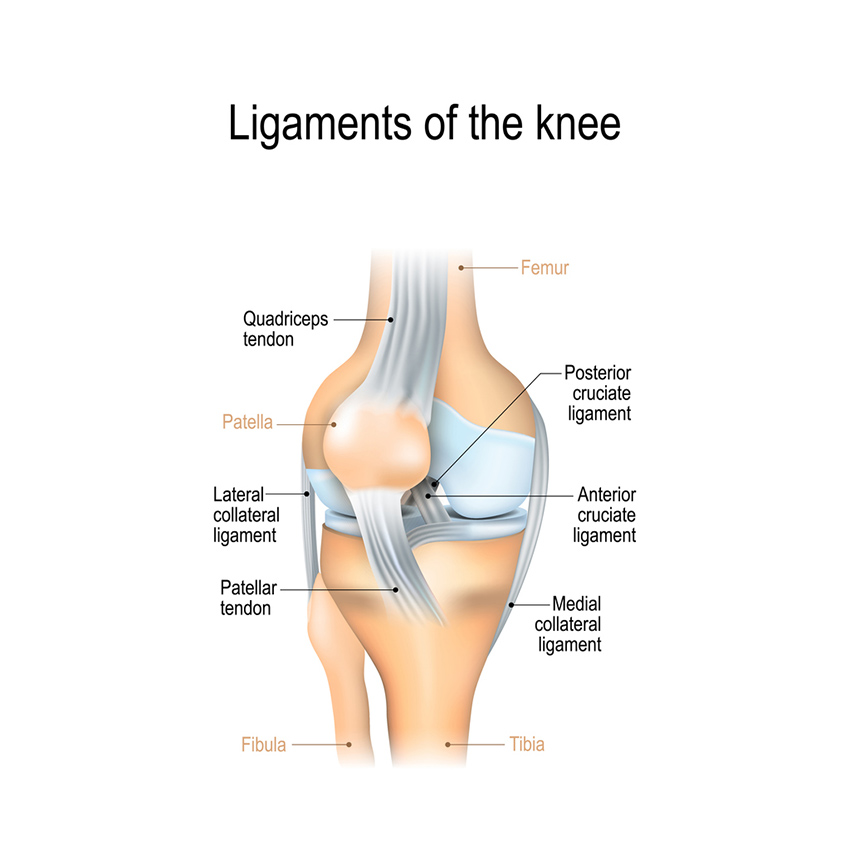
The MCL supports the inside of the knee, while the LCL provides stability along the outside. The PCL, located inside the knee joint, helps control backward movement of the shin bone in relation to the thigh bone.
These injuries can occur during sports, falls, collisions, or other accidents. Some involve a single ligament, while more significant injuries may damage multiple ligaments or other structures within the knee.
At Orthopaedic Specialists of Austin, our sports medicine specialist evaluates MCL, LCL, and PCL injuries and develops an individualized treatment plan based on the ligament involved, severity of the injury, knee stability, activity level, and recovery goals. Treatment may range from bracing and physical therapy to surgical reconstruction for injuries that cause significant or persistent instability.

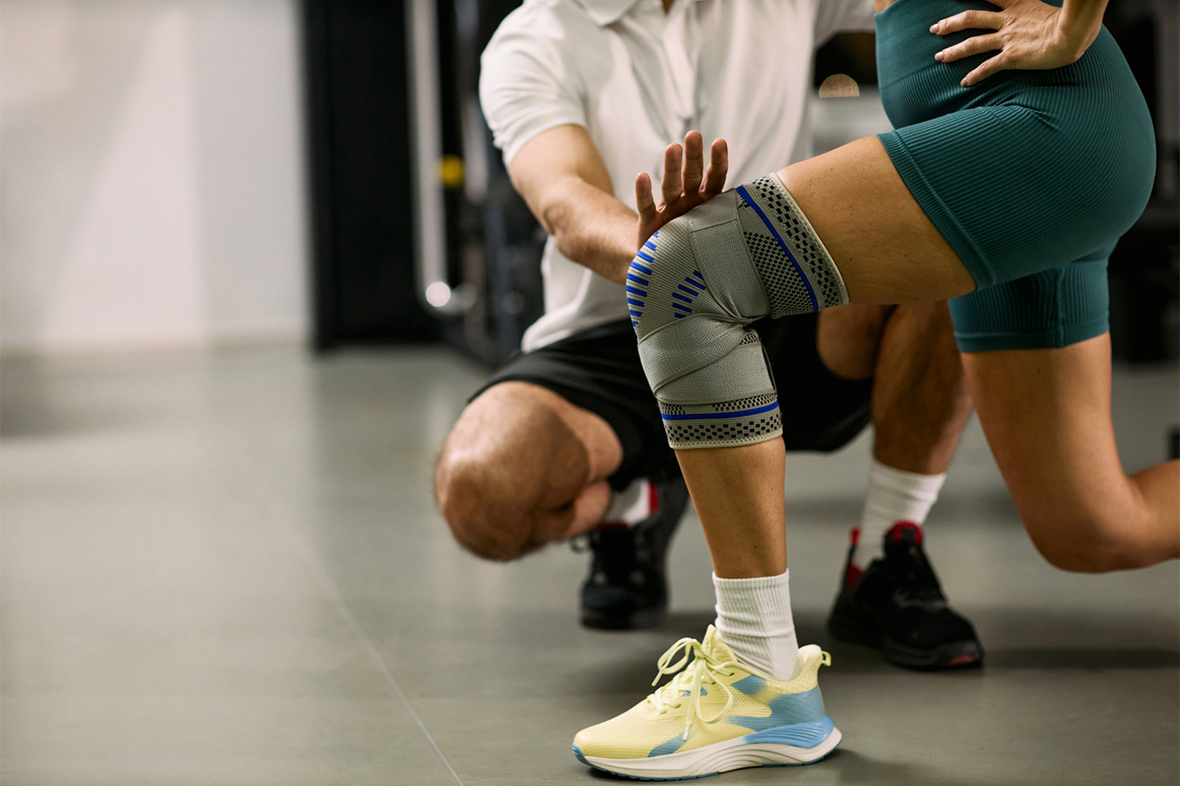
When to See a Sports Medicine Specialist
Knee ligament injuries do not always cause the same symptoms. Pain may be concentrated along the inside or outside of the knee, while some injuries particularly PCL tears may cause a deeper feeling of discomfort or instability.
Symptoms may include:
Pain along the inside, outside, or back of the knee
Swelling or tenderness
Knee stiffness or reduced range of motion
Difficulty bearing weight or walking normally
A sensation that the knee may buckle or give way
Pain with running, cutting, twisting, or changing direction
Difficulty returning to sports or physical activity
Bruising around the knee
A knee injury that causes significant swelling, instability, difficulty bearing weight, or persistent pain should be evaluated. Ligament injuries can occur along with ACL tears, meniscus injuries, cartilage damage, fractures, or injuries to other structures of the knee.
Understanding MCL, LCL & PCL Injuries
Each ligament stabilizes the knee in a different way, and the mechanism of injury often provides clues about which structure may be affected.
MCL injuries involve the ligament along the inner side of the knee. They commonly occur when a force to the outside of the knee pushes it inward. MCL injuries are frequently seen in football, soccer, basketball, skiing, and other activities involving contact or sudden changes in direction.
LCL injuries affect the ligament on the outer side of the knee. A force that pushes the knee outward can stretch or tear the LCL. Although LCL injuries are less common than MCL injuries, they may occur with injuries to other stabilizing structures on the outside of the knee.
PCL injuries involve one of the major ligaments inside the knee. The PCL prevents the shin bone from moving too far backward relative to the thigh bone. Injuries may result from a force to the front of a bent knee, such as landing directly on the knee during sports or striking the knee against the dashboard in a motor vehicle accident. Hyperextension and twisting injuries can also damage the PCL.
Meet Our Doctors

Conner Patrick, M.D.
Physicians

Non-surgical treatments
Many isolated ligament injuries can be treated without surgery.
Depending on the injury, treatment may include:
Temporary activity modification
Bracing to protect and stabilize the knee
Physical therapy to improve strength, motion, balance, and stability
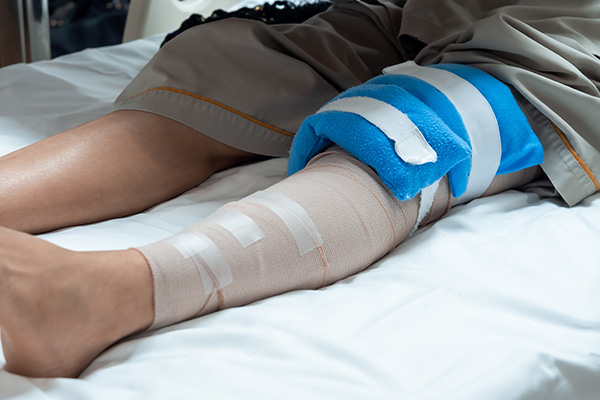
Ice and compression to help manage early swelling
Anti-inflammatory medications when appropriate
Progressive strengthening and sport-specific rehabilitation
A structured return to activity or competition
MCL injuries often heal successfully without surgery. Certain isolated PCL injuries may also respond well to rehabilitation and appropriate bracing.
LCL injuries require careful evaluation because significant tears can occur with damage to other structures along the outside of the knee.
Surgical Treatment
Surgery may be recommended when an injury causes substantial instability, involves multiple knee ligaments, or does not respond adequately to nonsurgical care.
Surgical treatment may be considered for:
Complete ligament tears associated with persistent instability
Significant LCL or PCL injuries
Combined or multi-ligament knee injuries
Injuries involving other structures that require surgical treatment
Patients whose knee remains unstable despite rehabilitation
Athletes or highly active patients whose injury prevents a safe return to their desired level of activity
Depending on the injury, surgery may involve ligament repair or reconstruction. Your physician will discuss the appropriate approach based on the structures involved and your individual needs.

What to Expect at Your Appointment
Your appointment begins with a detailed assessment of the injury, your symptoms, and how the knee is affecting your activity.
You Can Expect:
Ask how and when the injury occurred
Examine the knee for swelling, tenderness, and areas of pain
Perform specific tests to evaluate the stability of the MCL, LCL, PCL, and other knee ligaments
Assess range of motion, strength, and ability to bear weight
Obtain X-rays to look for fractures or other bone injuries
Recommend an MRI when needed to evaluate ligament damage and associated injuries
Discuss treatment options and develop a rehabilitation plan based on your goals
Because knee ligament injuries can involve more than one structure, identifying the full extent of the injury is an important part of determining the appropriate treatment and recovery plan.
ADVANCED SPORTS MEDICINE CARE CLOSE TO HOME
Orthopaedic Specialists of Austin provides specialized care for knee ligament injuries, from initial evaluation and diagnosis through rehabilitation and return to activity.
Patients have access to:
Fellowship-trained sports medicine expertise
Advanced diagnostic imaging
Nonsurgical and surgical treatment options
Physical therapy tailored to the injury and activity goals
Coordinated physician and physical therapy care
Return-to-sport planning for athletes and active individuals
Collaboration with high school and collegiate athletic trainers when appropriate
Whether the goal is returning to competition, exercise, work, or everyday activities, treatment focuses on restoring knee stability and function while reducing the risk of further injury.
TAKE THE FIRST STEP TOWARD RECOVERY
A knee ligament injury can affect everything from walking and climbing stairs to training and competing. Getting an accurate diagnosis can help you understand which ligament is injured, how severe the damage is, and what treatment is appropriate.
Whether your injury occurred on the field, during a workout, in an accident, or in everyday life, Orthopaedic Specialists of Austin can help you move forward with a treatment plan built around your recovery and activity goals.
What is the difference between an MCL, LCL, and PCL injury?
The MCL, LCL, and PCL stabilize the knee in different directions. The MCL supports the inner side of the knee, the LCL supports the outer side, and the PCL helps prevent the shin bone from moving too far backward. The location and mechanism of the injury can help determine which ligament may be damaged.
How are knee ligament injuries graded?
Ligament sprains are commonly classified by severity:
Grade 1: The ligament has been stretched or mildly damaged but remains stable.
Grade 2: The ligament is partially torn and may cause some looseness or instability.
Grade 3: The ligament is completely torn and may result in significant instability.
The grade is only one part of determining treatment. Your physician will also consider
which ligament is injured, knee stability, associated injuries, and your activity goals.
Do MCL, LCL, or PCL tears require surgery?
Not always. Many MCL injuries and certain isolated PCL injuries can heal successfully with bracing, physical therapy, and rehabilitation. Surgery may be recommended for severe LCL or PCL injuries, persistent instability, or injuries involving multiple ligaments or other knee structures.
How are MCL, LCL, and PCL injuries diagnosed?
Diagnosis begins with a physical examination and specific tests that assess the stability of the knee ligaments. X-rays may be used to evaluate the bones and rule out fractures. An MRI may be recommended to determine the extent of ligament damage and identify injuries to the meniscus, cartilage, or other structures.
How long does it take a knee ligament injury to heal?
Recovery varies considerably depending on the ligament involved, the severity of the injury, whether other structures are damaged, and whether surgery is required. Mild sprains may improve within several weeks, while complete tears, multi-ligament injuries, and surgically treated injuries can require several months of rehabilitation.
Can I return to sports after an MCL, LCL, or PCL injury?
Many athletes successfully return to sports after knee ligament injuries. Return-to-sport timing depends on the injury and treatment, as well as restoration of strength, motion, stability, and sport-specific function. Your physician and physical therapist will guide progression based on your recovery rather than time alone.
Can more than one knee ligament be injured at the same time?
Yes. A forceful knee injury can damage multiple ligaments as well as the meniscus, cartilage, or other structures. Multi-ligament injuries are typically more complex and require a thorough evaluation to determine the appropriate treatment plan.
FAQs
What Our Patients Say


Quick Links
Get In Touch
Fax: (512) 476-2832
© 2026 Orthopaedic Specialists of Austin. All Rights Reserved. Accessibility Statement - Privacy Policy - Sitemap


I saw Dr Kay for my carpal tunnel symptoms and proceeded with surgery. He was very professional and thorough . The location was great; the process wasn’t stressful at all. He did a great job!! Thank you Dr Kay and staff.
Patient