
Phone: (512) 476-2830

Meniscus Tear
Meniscus Tear Treatment in Austin, TX
Specialized Meniscus Tear Care to Relieve Knee Pain and Restore Function
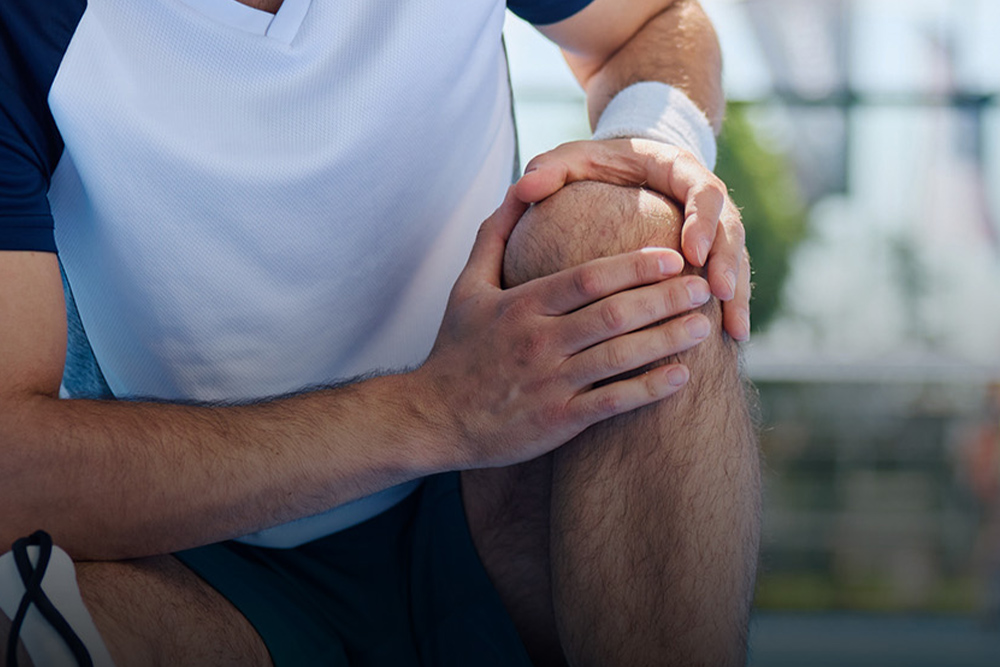
A meniscus tear is a common knee injury involving damage to one of the two pieces of cartilage that cushion and stabilize the knee joint. Each knee has a medial meniscus on the inner side and a lateral meniscus on the outer side. Together, they help absorb shock, distribute weight, and support smooth movement of the knee.
Meniscus tears can happen suddenly when the knee twists or pivots, particularly during sports or exercise. They can also develop gradually as the cartilage changes with age and becomes more susceptible to injury.
At Orthopaedic Specialists of Austin, our sports medicine specialist provides comprehensive evaluation and treatment for meniscus tears, from nonsurgical care and physical therapy to arthroscopic surgery when needed.
Treatment is tailored to the type and location of the tear, your symptoms, activity level, age, and individual goals. An accurate diagnosis can help determine the appropriate treatment while preserving healthy meniscus tissue and supporting long-term knee function.
Meet Our Doctors

Conner Patrick, M.D.
Physicians
When to See a Sports Medicine Specialist
Meniscus tear symptoms can vary depending on the location and severity of the injury. Some tears cause immediate pain and swelling, while others become more noticeable over time.
Common symptoms of a meniscus tear include:
Knee pain, particularly with twisting, pivoting, or squatting
Swelling or stiffness
Tenderness along the knee joint line
A popping sensation at the time of injury
Catching, clicking, or locking within the knee
Difficulty fully bending or straightening the knee
A sensation that the knee may give way
Difficulty running, exercising, or participating in sports
If knee pain, swelling, locking, or other symptoms persist or interfere with activity, a sports medicine evaluation can help identify the cause and determine whether the meniscus or another structure in the knee has been injured.
What Causes a Meniscus Tear?
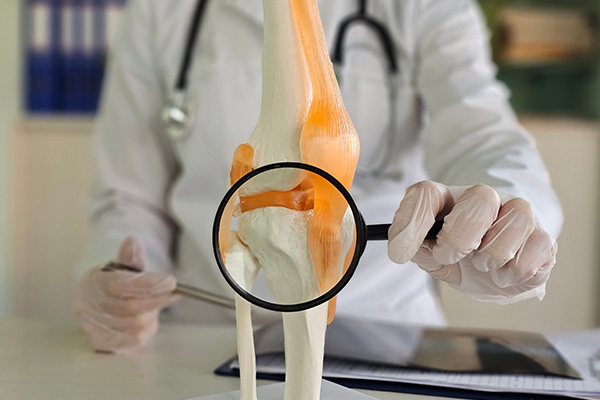
The meniscus sits between the thighbone (femur) and shinbone (tibia), where it helps distribute forces across the knee and protect the joint during movement.
Acute meniscus tears often occur when the knee twists or rotates while the foot remains planted. These injuries are common in activities that involve cutting, pivoting, sudden changes in direction, or contact.
Common causes include:
Twisting or pivoting on a planted foot
Sudden changes in direction
Sports involving cutting or rotational movements
Deep squatting or forceful bending of the knee
Direct impact or contact injuries
Falls or other accidents
Degenerative meniscus tears develop as the cartilage changes over time. With age, the meniscus may become thinner and less flexible, allowing a tear to occur during movements that might not injure a younger, healthier meniscus.
Meniscus tears may also occur with other knee injuries, particularly ACL and other ligament injuries.

Meniscus Tear Treatment
Treatment for a torn meniscus depends on the type, size, and location of the tear, as well as your symptoms, age, activity level, and whether other structures within the knee have been injured.
Not every meniscus tear requires surgery. For some patients, symptoms can be successfully managed with nonsurgical treatment and rehabilitation.
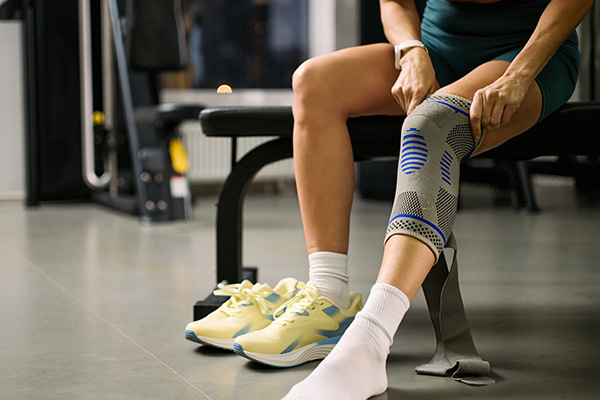
Non-surgical treatments may include:
Depending on the injury, treatment may include:
Activity modification
Physical therapy to improve knee strength, mobility, and stability
Ice and compression to manage swelling
Anti-inflammatory medications when appropriate
Injections in select cases to address pain and inflammation
A gradual progression back to exercise, sports, and other activities
Your physician will monitor your symptoms and function to determine whether the knee is responding appropriately to treatment.
Meniscus Surgery
Surgery may be considered when a tear causes persistent pain or mechanical symptoms, such as catching or locking, or when symptoms do not improve with nonsurgical treatment. Certain acute tears may also be better suited for surgical treatment based on their pattern and location.
Arthroscopic procedures may include:
Meniscus repair: The torn portions of the meniscus are repaired to allow the tissue to heal. When appropriate, repair helps preserve the meniscus and its role in protecting the knee joint.
Partial meniscectomy: When a tear cannot be repaired, the damaged portion of the meniscus may be removed while preserving as much healthy tissue as possible.
The appropriate procedure depends on the tear pattern, location, tissue quality, patient age and activity level, and other factors identified during evaluation.


What to Expect at Your Appointment
Your visit begins with a comprehensive evaluation to understand the cause of your symptoms and your functional goals.
You can expect:
Your visit begins with a detailed evaluation of your knee pain, symptoms, and activity goals.
During your appointment, your physician may:
Discuss when your symptoms began and whether an injury occurred
Examine the knee for swelling and areas of tenderness
Assess range of motion, strength, and stability
Perform specific tests that may indicate a meniscus injury
Obtain X-rays to evaluate the knee and rule out other causes of pain
Recommend an MRI when needed to evaluate the meniscus and other soft tissues
Develop a treatment and rehabilitation plan based on your diagnosis and goals
Your physician will also evaluate for other conditions that can cause similar symptoms or occur alongside a meniscus tear.
ADVANCED SPORTS MEDICINE CARE CLOSE TO HOME
Orthopaedic Specialists of Austin provides comprehensive care for meniscus tears and other sports-related knee injuries, with treatment tailored to each patient's injury, lifestyle, and goals.
Patients have access to:
Fellowship-trained sports medicine expertise
Advanced diagnostic imaging
Nonsurgical treatment options
Arthroscopic meniscus repair and treatment when appropriate
Individualized physical therapy and rehabilitation
Coordinated care from diagnosis through recovery
Return-to-sport planning for athletes and active individuals
When surgery is appropriate, preserving healthy meniscus tissue is an important consideration in supporting knee function and long-term joint health.
Take the First Step Toward Relief
A torn meniscus can make everyday movements, exercise, and sports painful or difficult. The right treatment depends on the type of tear, the symptoms it causes, and how it affects your knee function and activity.
Whether your symptoms began after a sports injury or developed gradually over time, our sports medicine team can help determine the cause of your knee pain and develop a treatment plan focused on getting you moving comfortably again.
What is a meniscus tear?
A meniscus tear is an injury to one of the two pieces of cartilage that cushion and stabilize the knee joint. Tears may occur suddenly from twisting or pivoting or develop gradually as the meniscus changes with age.
What are the different types of meniscus tears?
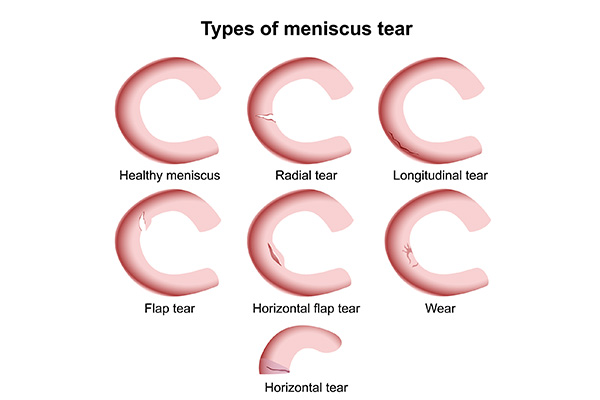
Meniscus tears can have several patterns, including horizontal, longitudinal, radial, flap, and bucket-handle tears. Some tears remain in place, while others can become displaced and interfere with normal knee movement. The tear pattern, location, size, and condition of the tissue help determine the appropriate treatment.
Can a torn meniscus heal without surgery?
Some meniscus tears can improve without surgery, particularly when symptoms can be managed successfully with physical therapy, activity modification, and other treatments. The ability of a tear to heal also depends partly on its location because blood supply varies throughout the meniscus.
When does a meniscus tear require surgery?
Surgery may be considered when a meniscus tear causes persistent pain, catching or locking, limits knee function, or does not improve with nonsurgical treatment. The type and location of the tear, age, activity level, and associated knee injuries also influence the decision.
What is the difference between meniscus repair and partial meniscectomy?
Meniscus repair involves repairing the torn tissue so it can heal, preserving as much of the meniscus as possible. A partial meniscectomy removes the damaged portion of a tear that cannot be repaired while retaining healthy meniscus tissue.
How is a meniscus tear diagnosed?
Diagnosis typically includes a review of your symptoms and injury history along with a physical examination. X-rays can help identify other causes of knee pain, while an MRI may be used to evaluate the meniscus and other soft tissues within the knee.
How long does recovery from a meniscus tear take?
Recovery varies depending on the tear and treatment. Patients treated without surgery may improve over several weeks with rehabilitation. Recovery after surgery depends significantly on the procedure performed; meniscus repair generally requires a longer rehabilitation period than partial meniscectomy because the repaired tissue needs time to heal.
Can I return to sports after a meniscus tear?
Yes. Many athletes return to their previous activities following treatment and rehabilitation. Timing depends on the injury and treatment, as well as recovery of knee strength, range of motion, stability, and sport-specific function.
FAQs
What Our Patients Say


Quick Links
Get In Touch
Fax: (512) 476-2832
© 2026 Orthopaedic Specialists of Austin. All Rights Reserved. Accessibility Statement - Privacy Policy - Sitemap


I saw Dr Kay for my carpal tunnel symptoms and proceeded with surgery. He was very professional and thorough . The location was great; the process wasn’t stressful at all. He did a great job!! Thank you Dr Kay and staff.
Patient