
Phone: (512) 476-2830

Hip Arthroscopy
Hip arthroscopy is a minimally invasive surgical procedure used to diagnose and treat certain conditions affecting the hip joint. During the procedure, an orthopedic surgeon uses a small camera and specialized instruments inserted through small incisions to see inside the hip and treat the source of pain or damage.
Hip arthroscopy may be an option for patients with ongoing hip pain that has not improved with nonsurgical treatments such as activity modification, physical therapy, medications, or injections.
What Is Hip Arthroscopy?
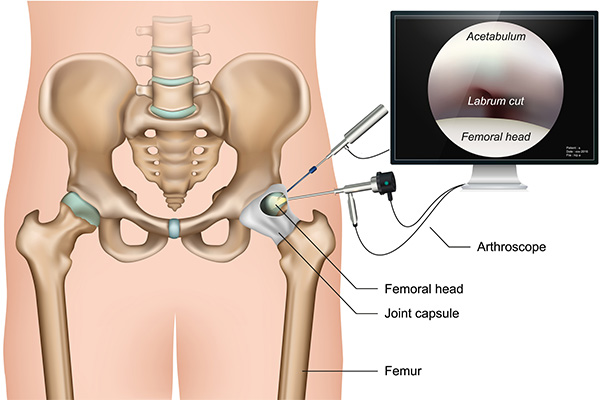
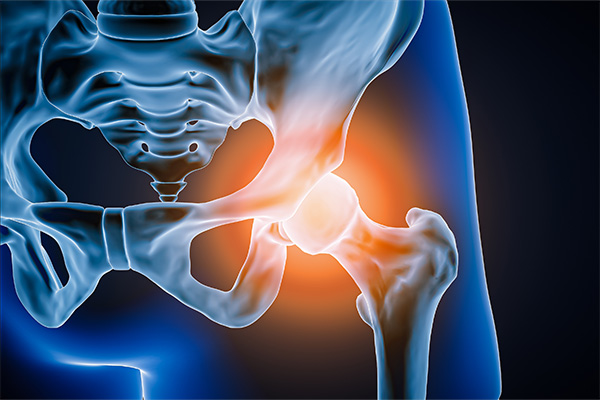
The hip is a ball-and-socket joint made up of the head of the femur (thighbone) and a socket in the pelvis called the acetabulum. Cartilage helps the joint move smoothly, while a ring of strong tissue called the labrum surrounds the socket and helps provide stability.
When the labrum, cartilage, or other structures in and around the hip become damaged, it can cause pain, stiffness, instability, or difficulty with movement.
During a hip arthroscopy, a small camera called an arthroscope allows the surgeon to view the joint on a monitor. Small surgical instruments can then be used to repair or remove damaged tissue or to reshape areas of bone where needed.
What Conditions Can Hip Arthroscopy Treat?
Hip arthroscopy may be used to treat several conditions, including:
Hip labral tears – damage to the ring of stabilizing tissue surrounding the hip socket.
Femoroacetabular impingement (FAI) – a condition where extra bone causes abnormal contact between the hip bones during movement.
Damaged cartilage - injured or worn cartilage within the hip joint may sometimes be treated arthroscopically.
Loose bodies – small fragments of bone or cartilage that become loose within the hip joint.
Synovitis – inflammation of the lining of the hip joint.
Certain tendon conditions – some problems involving tendons around the hip may also be treated arthroscopically.
Not every hip condition can or should be treated with arthroscopy. The orthopedic surgeon will determine whether this procedure is appropriate based on your symptoms, examination, imaging, and the overall condition of the hip.

When Is Hip Arthroscopy Recommended?
Hip arthroscopy is generally considered when hip pain continues despite nonsurgical treatment.
Depending on the condition, treatment before surgery may include:
Activity modification
Physical therapy
Anti-inflammatory medications
Injections
If symptoms continue to interfere with everyday activities, exercise, or sports, the orthopedic surgeon may discuss whether hip arthroscopy could help address the underlying problem.
What Happens During Hip Arthroscopy?
Hip arthroscopy is commonly performed as an outpatient procedure, meaning most patients return home the same day.
During surgery, small incisions are made so the arthroscope and surgical instruments can be inserted to view the problem directly. The camera provides a detailed view of the joint and helps the surgeon identify and treat damaged areas.
Depending on the condition, treatment may include:
Repairing, reconstructing, or removing a portion of a torn labrum
Trimming excess bone causing hip impingement
Smoothing damaged or worn cartilage
Removing loose pieces of bone or cartilage
Removing inflamed tissue
The exact procedure will depend on the condition being treated and on what the surgeon finds inside the hip.
Recovery After Hip Arthroscopy
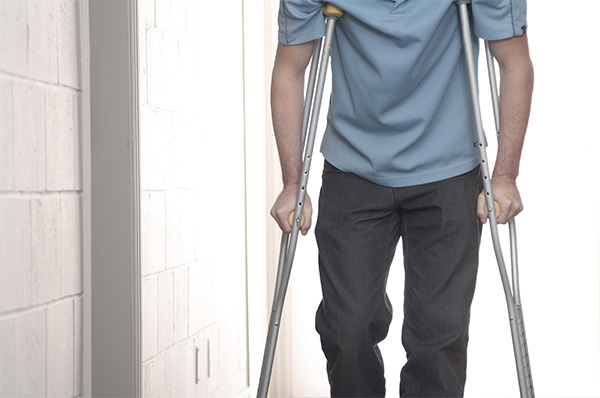
Recovery is different for every patient and depends on the type and extent of the procedure performed. Patients typically use crutches or a walker for a period of time after surgery.
Physical therapy is also often an important part of recovery, helping restore strength, mobility, and function. The orthopedic surgeon will provide specific instructions about weight-bearing, activity, and when you can safely return to work, exercise, or sports.
What Our Patients Say


Quick Links
Get In Touch
Fax: (512) 476-2832
© 2026 Orthopaedic Specialists of Austin. All Rights Reserved. Accessibility Statement - Privacy Policy - Sitemap


I saw Dr Kay for my carpal tunnel symptoms and proceeded with surgery. He was very professional and thorough . The location was great; the process wasn’t stressful at all. He did a great job!! Thank you Dr Kay and staff.
Patient