
Phone: (512) 476-2830

Orthobiologics
Orthobiologics
Orthopedic injuries and conditions may continue to cause pain despite activity modification, physical therapy, bracing, medications, and other conservative treatments.
For certain patients, injectable treatments may provide an additional nonsurgical option to help manage symptoms, reduce inflammation, and improve function.
At Orthopaedic Specialists of Austin, injectable orthobiologic treatment options include platelet-rich plasma (PRP) and viscosupplementation. The appropriate treatment depends on each patient’s condition, symptoms, and individual needs.

What Are Orthobiologics?
Orthobiologics use biological substances to support the body's natural healing processes. In orthopedics and sports medicine, these treatments may be used for certain injuries and conditions affecting tendons, ligaments, muscles, and joints.
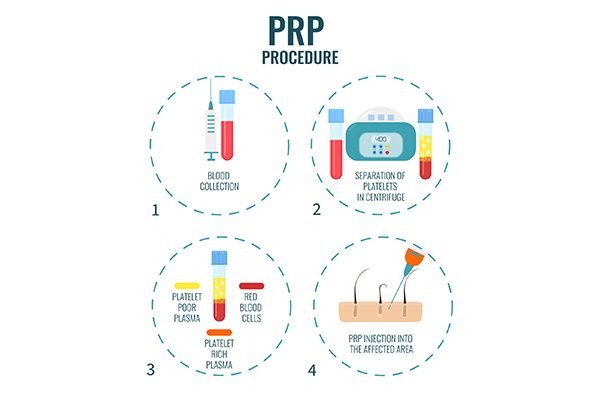
Platelet-rich plasma (PRP) is an orthobiologic treatment that takes a patient’s own blood and concentrates it in a centrifuge machine. This concentrated solution contains anti-inflammatory properties and promotes healing using the patient’s own cells, and can be injected into joints, tendons, ligaments, or muscles.
Other injectable treatments, such as viscosupplementation, work differently but may also be used as a nonsurgical treatment for certain joint conditions. Viscosupplementation involves injecting a substance that is naturally produced in our joints, hyaluronic acid, which helps lubricate joints, provides cushioning for cartilage, and reduces inflammation.
What Is PRP Therapy?
Platelet-rich plasma, or PRP, is prepared from a small sample of the patient's own blood. The blood is processed to concentrate the platelets in a patient’s blood, which contain growth factors and other proteins involved in the body's natural healing response.
The concentrated PRP is then injected into the injured or painful area. Depending on the condition and part of the body being treated, the physician may use ultrasound guidance to help accurately place the injection.
What Conditions Can PRP Treat?
PRP may be considered for certain orthopedic and sports medicine conditions, including:
Tennis elbow (lateral epicondylitis)
Golfer's elbow (medial epicondylitis)
Achilles tendinitis
Patellar tendinitis
Hamstring strains
Rotator cuff tendinitis
Glute tears or tendinitis
Certain ligament injuries
Osteoarthritis of various joints
PRP is not appropriate for every condition. Your physician will determine whether it may be beneficial based on your diagnosis, symptoms and treatment history.
What Is Viscosupplementation?
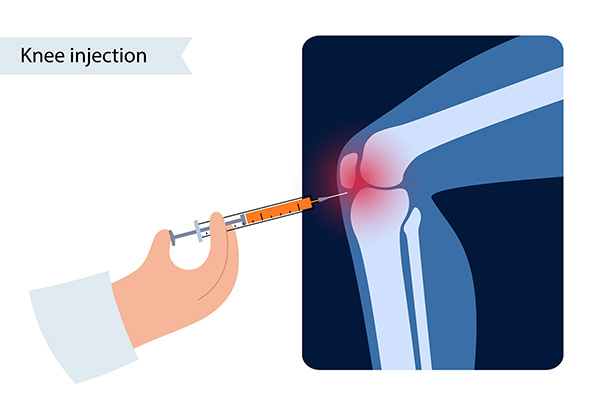
Viscosupplementation is an injection treatment used primarily for knee osteoarthritis. The injections contain hyaluronic acid, a substance naturally found in joint fluid that helps lubricate and cushion the joint.
Osteoarthritis can affect the quality and amount of hyaluronic acid within the joint, often leading to decreased cushioning and increased friction in the joint. Viscosupplementation is designed to supplement the joint's natural fluid and may help reduce pain and improve motion and function for some patients.
Depending on the product used, treatment may involve a single injection or a series of injections.
Who May Benefit From Viscosupplementation?
Viscosupplementation may be considered for patients with knee osteoarthritis whose symptoms have not improved sufficiently with treatments such as:
Activity modification
Exercise or physical therapy
Pain or anti-inflammatory medications
Bracing
Other conservative treatments
Not everyone with knee arthritis will benefit from viscosupplementation. Your orthopedic specialist can evaluate the severity of your arthritis, symptoms, and previous treatments to determine whether it is an appropriate option.

Frequently Asked Questions
Find answers to common questions about orthobiologics, PRP therapy, and viscosupplementation.
Is PRP the same as viscosupplementation?
No. PRP is prepared from a patient's own blood and uses concentrated platelets from the patient’s blood to reduce inflammation and promote a healing response.
Viscosupplementation uses hyaluronic acid, a natural fluid produced by all joints, to cushion, lubricate, and reduce inflammation in joints.
What is viscosupplementation used to treat?
Viscosupplementation is primarily used to help manage symptoms associated with osteoarthritis or cartilage defects of the knee.
How many viscosupplementation injections will I need?
It depends on the specific product being used. Some treatments involve one injection, while others are given as a series of up to three injections given weekly. Your physician will explain the recommended treatment schedule.
How long does it take for PRP to work?
While some patients may get quick relief of their symptoms, PRP is not intended to provide immediate pain relief. Improvement in symptoms varies significantly between patients, and may take several days, weeks, or even months to take effect.
How many PRP injections will I need?
The number of treatments varies based on the condition and individual patient. Your physician will recommend a treatment plan based on your needs and response to treatment.
Are PRP and viscosupplementation covered by insurance?
Coverage varies by treatment and insurance plan. PRP is often not covered by insurance and generally requires paying out of pocket, while coverage for viscosupplementation varies but is often covered by Medicare and commercial insurances every 6 months, and may require prior authorization. Patients should verify their individual benefits before treatment.
Which injection is right for me?
That depends on the cause of your symptoms, the joint or tissue involved, previous treatments, and other individual factors. Your orthopedic specialist can determine which nonsurgical treatment options are appropriate for your condition.
What Our Patients Say


Quick Links
Get In Touch
Fax: (512) 476-2832
© 2026 Orthopaedic Specialists of Austin. All Rights Reserved. Accessibility Statement - Privacy Policy - Sitemap


I saw Dr Kay for my carpal tunnel symptoms and proceeded with surgery. He was very professional and thorough . The location was great; the process wasn’t stressful at all. He did a great job!! Thank you Dr Kay and staff.
Patient