
Phone: (512) 476-2830

SONEX™ Ultrasound-Guided Carpal Tunnel Release
Advanced, Minimally Invasive Carpal Tunnel Treatment in Austin, TX
Persistent numbness, tingling, weakness, or pain in the hand can make everyday activities difficult and may be a sign of carpal tunnel syndrome. When symptoms continue despite conservative treatment, carpal tunnel release may be recommended to relieve pressure on the median nerve and restore hand function.
At Orthopaedic Specialists of Austin, our hand and upper extremity specialists offer SONEX™ Ultrasound-Guided Carpal Tunnel Release, an advanced minimally invasive procedure designed to treat carpal tunnel syndrome through a very small incision using real-time ultrasound guidance. Patients throughout Austin and the surrounding communities have access to this innovative treatment option through Dr. Harrison Kay, the only hand specialist in the Austin area currently performing the SONEX™ procedure. With specialized training and experience in ultrasound-guided carpal tunnel release, Dr. Kay combines advanced expertise with cutting-edge technology to help relieve symptoms with less discomfort, minimal scarring, and a faster return to daily activities compared to traditional surgical techniques.
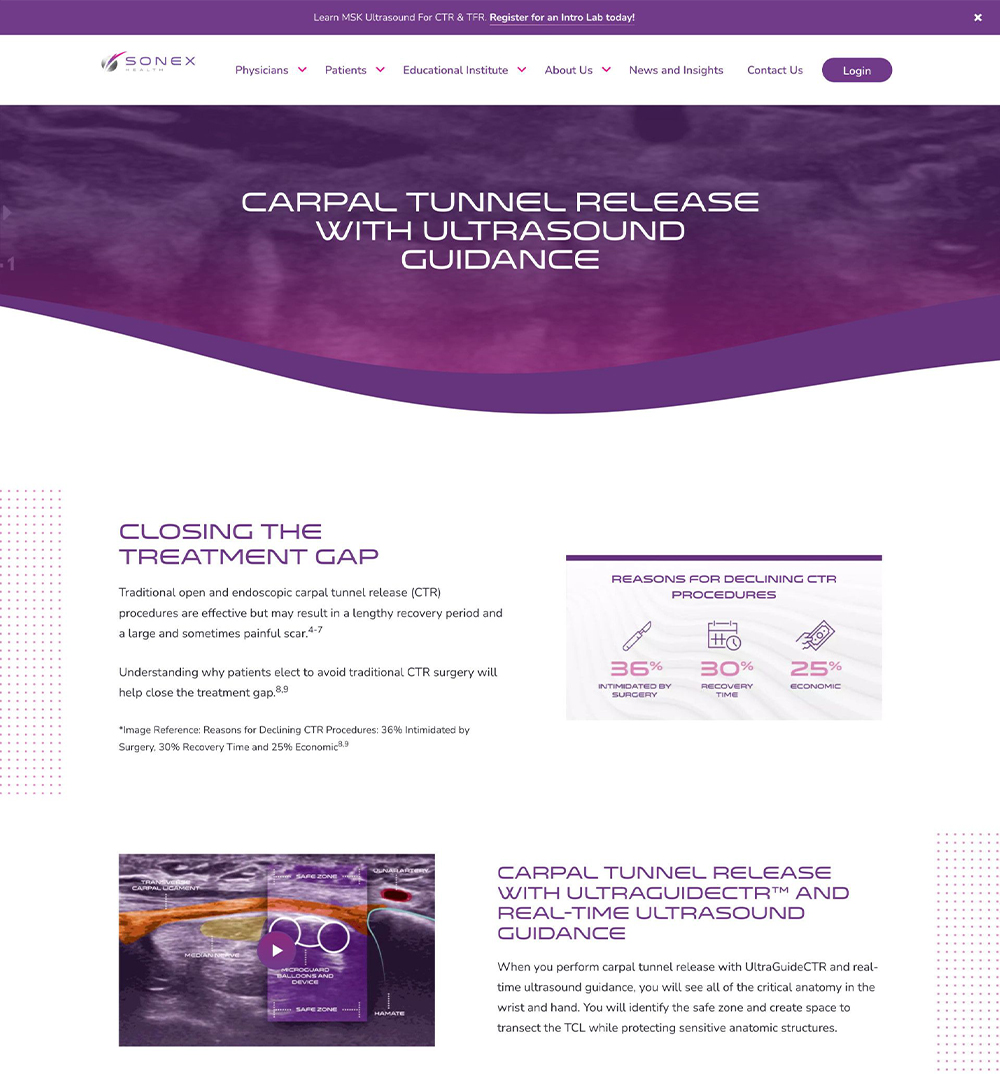
Traditional carpal tunnel release is typically performed in a surgery center operating room setting through a larger incision in the palm and often involves a longer recovery period before patients can comfortably return to work, hobbies, and other daily activities. For appropriate candidates, SONEX™ offers a minimally invasive alternative designed to minimize tissue disruption while delivering effective symptom relief.

MEET OUR Doctors

Harrison F. Kay, M.D
Physicians
What Is SONEX™ Ultrasound-Guided Carpal Tunnel Release?
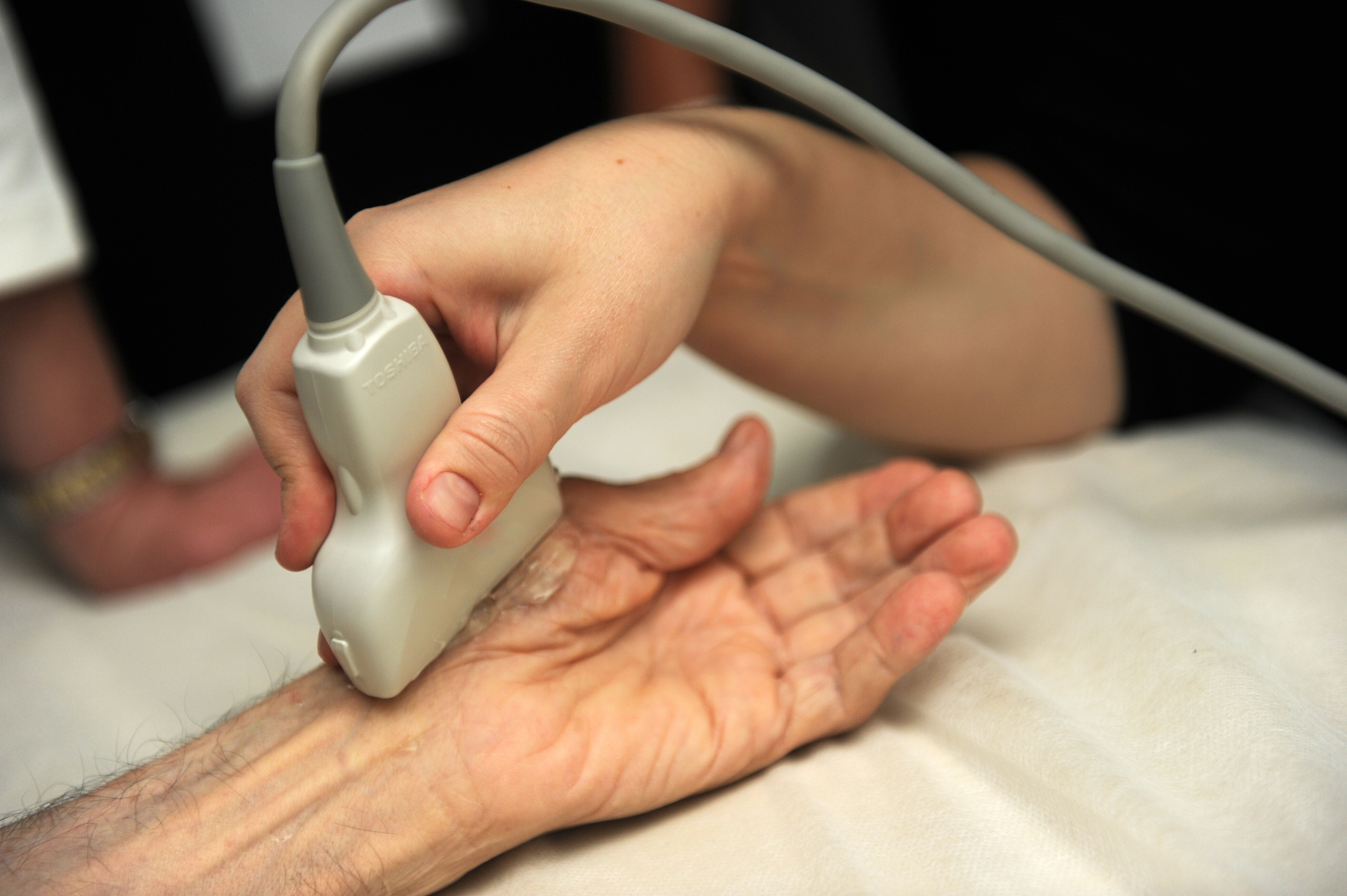
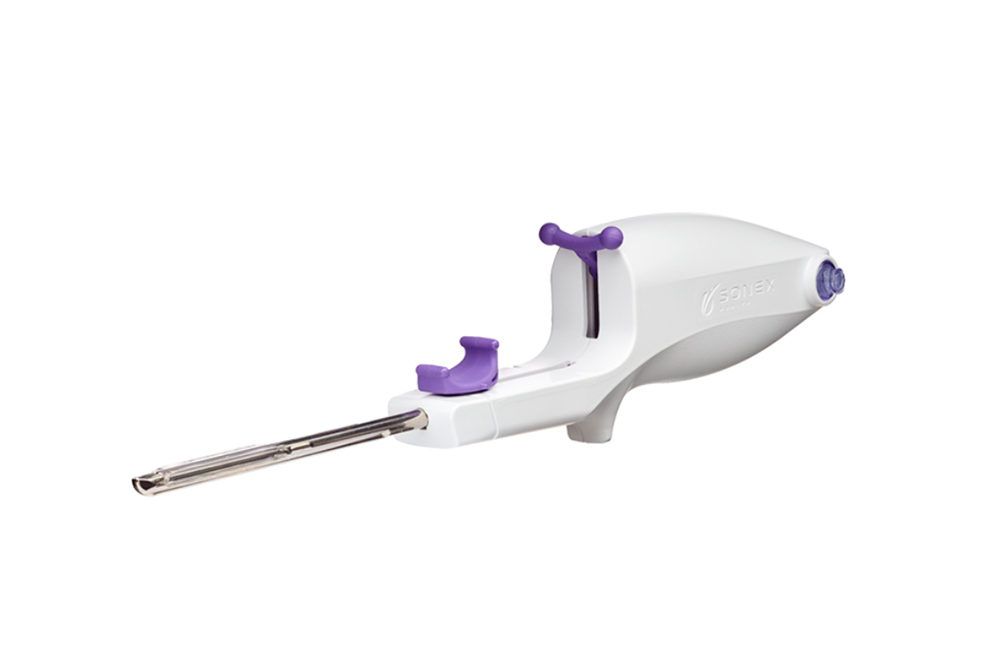
SONEX™ Ultrasound-Guided Carpal Tunnel Release uses real-time ultrasound imaging and specialized technology to precisely release the transverse carpal ligament that is compressing the median nerve within the wrist.
During the procedure, ultrasound allows the surgeon to clearly visualize important structures including nerves, tendons, blood vessels, and surrounding tissue. Through a very small incision, the ligament is released while minimizing disruption to surrounding tissues. The procedure is typically performed using local anesthesia and may be completed in an office-based setting for appropriate candidates.
Benefits of SONEX™ Ultrasound-Guided Carpal Tunnel Release
This advanced approach offers several potential advantages compared to traditional open carpal tunnel surgery.
Potential benefits may include:
- Very small incision
- Real-time ultrasound visualization
- Minimal soft tissue disruption
- Reduced postoperative discomfort
- Minimal scarring
- Local anesthesia only for many patients
- Faster recovery and return to activities
- Lower need for pain medication
- Ability to perform the procedure in an office-based setting for appropriate candidates
Because ultrasound allows the surgeon to directly visualize important structures throughout the procedure, treatment can be performed with a high level of precision while minimizing disruption to surrounding tissues.


Screening and Diagnosis
Carpal tunnel syndrome can often be diagnosed through a thorough medical history and physical examination. During the evaluation, symptoms will be discussed, hand strength and sensation will be assessed, and specific tests will be performed to identify nerve compression. Ultrasound can also help confirm the diagnosis and evaluate the severity of nerve compression by providing real-time visualization of the median nerve and surrounding structures. While nerve conduction studies (NCS) and electromyography (EMG) may still be recommended in certain situations, many patients can be accurately diagnosed and evaluated without these tests, allowing treatment decisions to be made more efficiently and comfortably.
What to Expect During the Procedure
The procedure begins with a thorough evaluation and confirmation that carpal tunnel syndrome is the source of your symptoms.
For appropriate candidates:
- Local anesthesia is administered
- A very small incision is made at the wrist
- Real-time ultrasound is used to visualize the carpal tunnel structures
- The transverse carpal ligament is released using specialized instrumentation
- A small dressing is applied following the procedure
Many patients can move their hand immediately following treatment and begin returning to light activities shortly afterward. Recovery timelines vary based on individual symptoms, job requirements, and overall health.
Typical Recovery Timeline
While every patient heals differently, many individuals experience a quicker recovery compared to traditional open carpal tunnel release. Most patients can return to work or activities within 3 – 5 days instead of 2 – 4 weeks.

Take the First Step Toward Relief
If numbness, tingling, weakness, or hand pain affects your daily life, treatment may help prevent symptoms from worsening and restore normal hand function.
Connect with our hand specialists today to learn whether SONEX™ Ultrasound-Guided Carpal Tunnel Release may be right for you.

What to Expect at Your Appointment
Your visit begins with a detailed evaluation to better understand your symptoms, hand function, and medical history.
You can expect:
A discussion of your symptoms and activity level
A physical examination of the hand and wrist
Evaluation of strength, sensation, and nerve function
Imaging or nerve studies when appropriate
A personalized treatment plan tailored to your condition and goals
Our team is focused on helping patients understand their diagnosis and feel confident throughout every stage of treatment and recovery.
Advanced Hand & Wrist Care Close to Home
Orthopaedic Specialists of Austin combines specialized hand and upper extremity expertise with advanced treatment options designed to improve patient outcomes and recovery experiences.
Patients benefit from:
Board-certified, fellowship-trained hand specialists
Advanced diagnostic and imaging capabilities
Minimally invasive treatment techniques
Coordinated care with hand therapy specialists
Comprehensive care from diagnosis through recovery
Our goal is to help patients regain comfort, strength, and function so they can return to work, hobbies, and everyday activities as quickly and safely as possible.
Take the First Step Toward Relief
You do not have to live with persistent hand numbness, tingling, or pain. With the right diagnosis and treatment plan, carpal tunnel symptoms can often be effectively relieved before permanent nerve damage occurs.
Connect with our hand specialists today to get started.
How is SONEX™ different from traditional carpal tunnel surgery?
SONEX™ uses real-time ultrasound guidance and a very small incision to release the compressed ligament while minimizing disruption to surrounding tissues.
Is SONEX™ performed under general anesthesia?
In most cases, the procedure can be performed in office using local anesthesia only.
Is recovery faster with ultrasound-guided carpal tunnel release?
Many patients experience a quicker recovery, less postoperative discomfort, and an earlier return to activities compared to traditional open procedures.
Will I still need hand therapy after the procedure?
Some patients recover without formal therapy, while others may benefit from hand therapy depending on symptom severity, recovery progress, and individual needs.
Is SONEX™ as effective as traditional carpal tunnel release?
Clinical studies have shown ultrasound-guided carpal tunnel release to be a safe and effective treatment option for appropriately selected patients.
How do I know if I am a candidate?
Our hand specialist will evaluate your symptoms, physical examination findings, and any diagnostic testing to determine whether ultrasound-guided carpal tunnel release is an appropriate option for your condition.
FAQs
What Our Patients Say


Quick Links
Get In Touch
Fax: (512) 476-2832
© 2026 Orthopaedic Specialists of Austin. All Rights Reserved. Accessibility Statement - Privacy Policy - Sitemap


I saw Dr Kay for my carpal tunnel symptoms and proceeded with surgery. He was very professional and thorough . The location was great; the process wasn’t stressful at all. He did a great job!! Thank you Dr Kay and staff.
Patient