
Phone: (512) 476-2830

Patellar Instability
Patellar Instability & Dislocation Treatment in Austin, TX
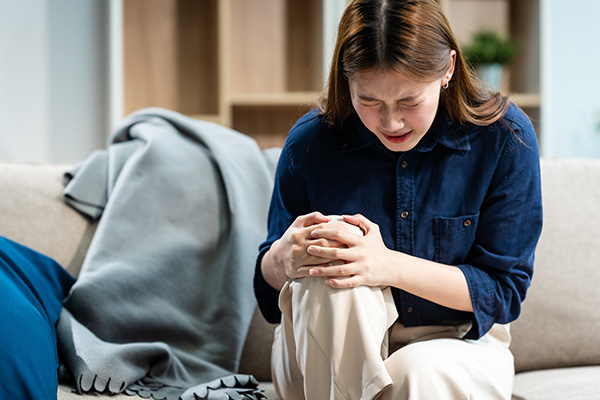
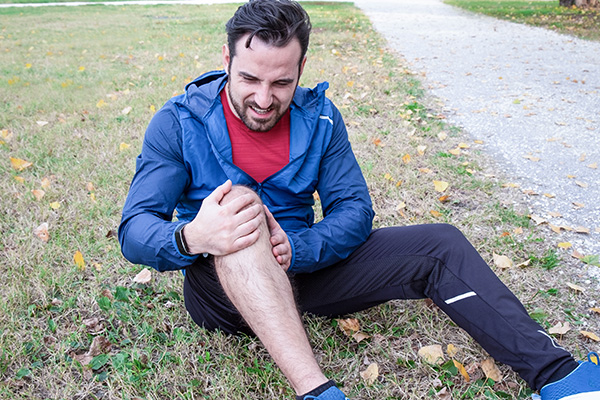
Patellar instability, also known as recurrent patellar dislocation or a dislocated kneecap, occurs when the kneecap moves out of its normal position within the groove at the front of the knee. This can lead to pain, swelling, feelings of instability, and recurrent dislocations that interfere with sports and everyday activities.
At Orthopaedic Specialists of Austin, our fellowship-trained sports medicine specialists provide comprehensive evaluation and treatment for patellar instability, helping patients regain stability, reduce pain, and safely return to the activities they enjoy.
Whether you have experienced a first-time kneecap dislocation or ongoing episodes of instability, early evaluation and treatment can help reduce the risk of recurrent injury and long-term cartilage damage.
Meet Our Doctors

Conner Patrick, M.D.
Physicians

When to See a Sports Medicine or Knee Specialist
If your kneecap feels unstable, repeatedly shifts out of place, or you experience knee pain after a dislocation, it may be time to see a specialist.
Common symptoms of patellar instability include:
A kneecap that feels like it slips or shifts out of place
Knee pain, especially in the front of the knee
Swelling after a dislocation or injury
A feeling that the knee may "give way"
Difficulty bending or straightening the knee
Pain with running, jumping, squatting, or climbing stairs
Recurrent kneecap dislocations or subluxations
Apprehension or fear that the kneecap will dislocate again
Early diagnosis and treatment can help improve stability while reducing the risk of additional cartilage damage and arthritis.
Causes of Patellar Instability & Dislocation
Patellar instability occurs when the kneecap moves outside its normal groove, often due to injury, anatomy, or ligament damage.
Contributing factors may include:
Traumatic kneecap dislocation
Torn medial patellofemoral ligament (MPFL)
Shallow trochlear groove (trochlear dysplasia)
High-riding kneecap (patella alta)
Ligament laxity or generalized hypermobility
Muscle weakness or imbalance
Abnormal lower extremity alignment
Participation in sports involving cutting, pivoting, or jumping
Our specialists perform a comprehensive evaluation to identify the underlying cause of instability and develop the most appropriate treatment plan for your individual needs.
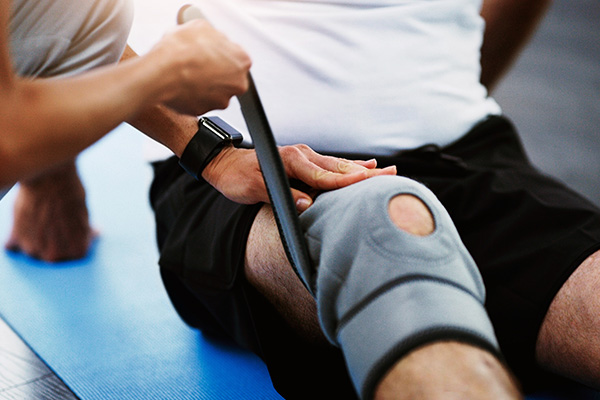
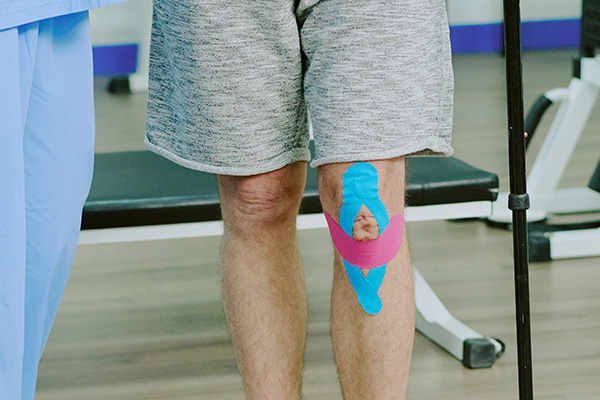
Non-surgical treatments may include:
Activity modification
Physical therapy focused on strengthening and neuromuscular control
Bracing or patellar stabilization sleeves
Anti-inflammatory medications
Return-to-sport rehabilitation
Guided progression back to athletic activities
When recurrent instability, significant ligament injury, or structural abnormalities are present, surgical treatment may be recommended.
Surgical options may include:
Medial patellofemoral ligament (MPFL) reconstruction
Tibial tubercle osteotomy (when appropriate)
Arthroscopic treatment of cartilage injuries
Realignment procedures for select patients
Our sports medicine specialists utilize advanced, minimally invasive surgical techniques designed to restore stability, protect the knee joint, and support a safe return to activity.

What to Expect at Your Appointment
Your visit begins with a thorough evaluation to understand your symptoms, injury history, activity level, and treatment goals.
You can expect:
A discussion of your symptoms and previous dislocations or injuries
A physical examination of the knee
Assessment of kneecap stability, alignment, strength, and range of motion
X-rays and advanced imaging, such as MRI, when appropriate
A personalized treatment plan based on your anatomy, activity level, and goals
Our team is committed to helping patients understand their condition and feel confident throughout every stage of treatment and recovery.
Why Choose Orthopaedic Specialists of Austin for Patellar Instability Care?
Orthopaedic Specialists of Austin combines specialized sports medicine expertise with comprehensive rehabilitation to help patients recover safely and return to the activities they love.
Patients benefit from:
Fellowship-trained sports medicine specialists
Advanced diagnostic imaging
Personalized non-surgical treatment options
Advanced ligament reconstruction techniques
Coordinated care with physical therapists and, when appropriate, high school and collegiate athletic trainers to support a safe return to sport
Comprehensive care from diagnosis through recovery
Our goal is to restore knee stability, reduce pain, and help patients confidently return to sports, work, and everyday activities.
Schedule an Evaluation for Patellar Instability
If your kneecap feels unstable or has dislocated, early evaluation can help prevent recurrent injuries and long-term joint damage. Our experienced sports medicine specialists are here to help you find the right treatment plan and get back to doing what you love.
Connect with our sports medicine team today to get started.
Advanced Sports Medicine Care Close to Home
Orthopaedic Specialists of Austin combines specialized sports medicine expertise with advanced treatment options designed to help patients recover safely and return to the activities they love.
Patients benefit from:
Fellowship-trained sports medicine specialists
Advanced diagnostic imaging
Minimally invasive arthroscopic surgery
Individualized rehabilitation programs
Coordinated care with experienced physical therapists
Comprehensive care from injury through return to activity
Our goal is to restore knee stability, improve function, and help patients return to sports, work, and everyday life with confidence.
Take the first step toward relief
Patellar instability or a dislocation doesn't have to keep you from living an active lifestyle. With the right diagnosis, treatment, and rehabilitation plan, many patients successfully return to the activities they love.
Whether your goal is returning to competitive athletics, recreational sports, or simply feeling confident in your daily activities, our sports medicine team is here to help you every step of the way.
What is patellar instability?
Patellar instability occurs when the kneecap repeatedly shifts, partially dislocates or completely dislocates from its normal position in the groove at the front of the knee.
Can patellar instability heal without surgery?
Many first-time dislocations and mild instability episodes can be successfully treated with physical therapy, bracing, and rehabilitation. Surgery may be recommended if instability continues or significant ligament or cartilage damage is present.
How do you diagnose patellar instability?
Diagnosis includes a physical examination, review of your symptoms and injury history, and imaging studies such as X-rays or MRI to evaluate the kneecap, ligaments, cartilage, and underlying anatomy.
Will I need physical therapy?
Yes. Physical therapy plays an important role in strengthening the muscles around the knee, improving stability, restoring movement, and reducing the risk of future dislocations.
When can I return to sports?
Return to sports depends on the severity of your injury and your treatment plan. Many patients can safely return once strength, stability, and knee function have been restored and they are cleared by their physician and rehabilitation team.
Do you offer same-day appointments?
Same-day appointments may be available depending on provider availability. Our team works to accommodate urgent knee injuries as quickly as possible.
FAQs
What Our Patients Say


Quick Links
Get In Touch
Fax: (512) 476-2832
© 2026 Orthopaedic Specialists of Austin. All Rights Reserved. Accessibility Statement - Privacy Policy - Sitemap


I saw Dr Kay for my carpal tunnel symptoms and proceeded with surgery. He was very professional and thorough . The location was great; the process wasn’t stressful at all. He did a great job!! Thank you Dr Kay and staff.
Patient