
Phone: (512) 476-2830

Patellar & Quadriceps Tendon Tear
Patellar & Quadriceps Tendon Tear Treatment in Austin, TX
Specialized Care for Knee Tendon Injuries to Help You Move with Confidence Again
The patellar and quadriceps tendons play a vital role in straightening the knee, walking, climbing stairs, and participating in sports. When one of these tendons is partially or completely torn, everyday activities can become difficult or even impossible.
At Orthopaedic Specialists of Austin, our fellowship-trained sports medicine
specialist provide comprehensive evaluation and treatment for patellar and quadriceps tendon tears. Whether your injury occurred during sports, a fall, or everyday activity, we develop individualized treatment plans focused on restoring strength, function, and mobility.
Prompt diagnosis is important, as early treatment often leads to better outcomes and a smoother recovery.

Meet Our Doctors

Conner Patrick, M.D.
Physicians
When to See a Sports Medicine Specialist
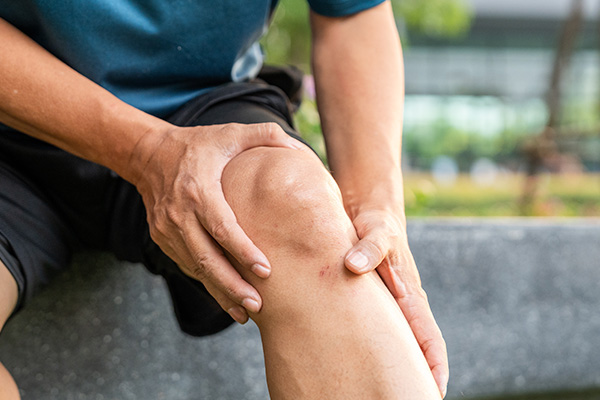
Common symptoms of a patellar or quadriceps tendon tear include:
Quadriceps tendon tears commonly cause:
Sudden pain above the kneecap
A noticeable gap above the kneecap
Difficulty straightening the knee
Weakness when walking or climbing stairs
Patellar tendon tears commonly cause:
Sudden pain below the kneecap
A noticeable gap below the kneecap
Difficulty straightening the knee
Knee instability or difficulty bearing weight
Both injuries may also cause:
A popping or tearing sensation at the time of injury
Swelling and bruising around the knee
Inability to perform a straight leg raise
Receiving an accurate diagnosis early can help prevent additional injury and improve your recovery.
What Causes Patellar & Quadriceps Tendon Tears?
These injuries occur when excessive force is placed on the knee's extensor mechanism, often during activities that require sudden acceleration, jumping, or landing. Tendon degeneration over time can also increase the risk of injury.
Common causes include:
Sudden jumping or landing injuries
Falls directly onto the knee
Sports involving explosive movements
Heavy lifting or forceful knee extension
Chronic tendon degeneration (tendinopathy)
Previous knee surgery
Certain medical conditions that weaken tendons
Our physicians carefully evaluate the injury to determine whether the tendon is partially or completely torn and recommend the most appropriate treatment.

Non-surgical treatment may include:
Knee immobilization or bracing
Activity modification
Anti-inflammatory medications
Physical therapy to restore strength and mobility
Progressive rehabilitation programs
Guided return to daily activities and sports
Complete tendon tears or injuries that significantly limit knee function often require surgery.
Surgical Treatment may include:
Patellar tendon repair
Quadriceps tendon repair
Tendon reconstruction for complex injuries
Repair of associated ligament or cartilage injuries when necessary
Our surgeons utilize the most advanced, minimally invasive repair techniques designed to restore the integrity of the tendon while promoting optimal healing and function.

What to Expect at Your Appointment
Your visit begins with a comprehensive evaluation to understand the cause of your symptoms and your functional goals.
You can expect:
Your visit begins with a detailed evaluation to determine the extent of your injury and develop a treatment plan that supports your recovery.
During your appointment, you can expect:
A discussion of how the injury occurred and your current symptoms
A comprehensive knee examination
Assessment of strength, knee motion, and extensor mechanism function
X-rays and MRI when appropriate
A treatment plan tailored to your injury, activity level, and recovery goals
We work closely with every patient to explain the diagnosis, answer questions, and outline the next steps in recovery.
Why Choose Orthopaedic Specialists of Austin for Tendon Injury Care?
Patellar and quadriceps tendon tears require specialized evaluation and thoughtful treatment to restore normal knee function. Our team combines orthopedic expertise with comprehensive rehabilitation to help patients recover safely and confidently.
Patients benefit from:
Fellowship-trained sports medicine specialist
Comprehensive evaluation of acute and chronic tendon injuries
Access to advanced diagnostic imaging
Surgical and non-surgical treatment options based on your individual needs
Close collaboration with experienced physical therapists throughout rehabilitation
Comprehensive support from your initial visit through your return to activity
Our priority is helping patients regain strength, restore knee function, and return to work, athletics, and everyday life as safely as possible.
Start Your Recovery Today
A patellar or quadriceps tendon tear can make even simple movements difficult, but timely treatment can help restore knee function and improve long-term outcomes. Whether your injury is recent or you've been dealing with persistent weakness or pain, our experienced orthopedic specialists are here to help.
Schedule an appointment with Orthopaedic Specialists of Austin to begin your recovery.
What is the difference between a patellar tendon tear and a quadriceps tendon tear?
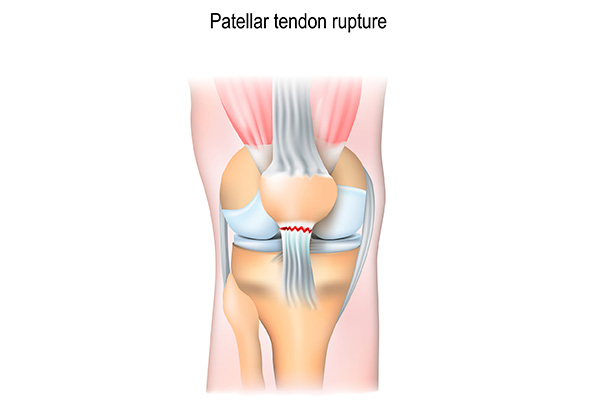
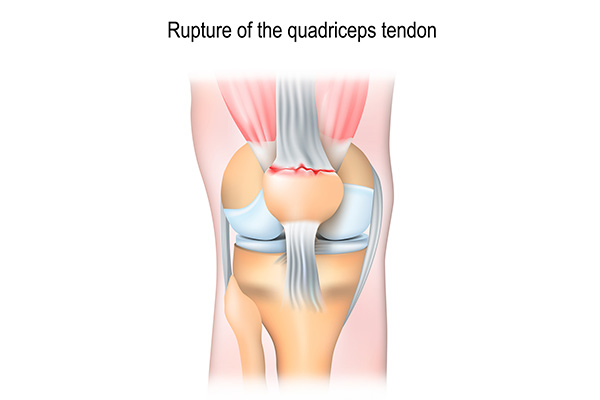
The quadriceps tendon connects the quadriceps muscles to the top of the kneecap, while the patellar tendon connects the kneecap to the shinbone. Tears in either tendon can affect your ability to straighten the knee and walk normally.
Can a partial tendon tear heal without surgery?
Many partial tears can be successfully treated with bracing, activity modification, and physical therapy. Complete tears typically require surgical repair to restore normal knee function.
How do you diagnose a tendon tear?
Diagnosis includes a physical examination and imaging studies such as X-rays and MRI to determine the location and severity of the injury.
How soon should a tendon tear be treated?
Complete tendon tears should be evaluated promptly because surgical repair is generally most successful when performed soon after the injury.
How long does recovery take after tendon repair?
Recovery varies depending on the injury and procedure performed. Most patients participate in a structured rehabilitation program over several months before returning to unrestricted activities.
Do you offer same-day appointments?
Same-day appointments may be available for acute knee injuries depending on provider availability. Our team works to evaluate urgent injuries as quickly as possible.
FAQs
What Our Patients Say


Quick Links
Get In Touch
Fax: (512) 476-2832
© 2026 Orthopaedic Specialists of Austin. All Rights Reserved. Accessibility Statement - Privacy Policy - Sitemap


I saw Dr Kay for my carpal tunnel symptoms and proceeded with surgery. He was very professional and thorough . The location was great; the process wasn’t stressful at all. He did a great job!! Thank you Dr Kay and staff.
Patient