
Phone: (512) 476-2830

Rotator Cuff Tear
Rotator Cuff Tear Treatment in Austin, TX
Shoulder Pain, Weakness, and Limited Motion
Specialized Rotator Cuff Care to Restore Shoulder Strength and Function The rotator cuff is a group of muscles and tendons that surround the shoulder joint and help you lift, rotate, and move your arm. When one or more of these tendons become injured or torn, it can cause pain, weakness, and difficulty with everyday activities. Rotator cuff tears can happen suddenly after an injury or develop gradually from wear and tear over time.
At Orthopaedic Specialists of Austin, our shoulder specialists provide comprehensive care for rotator cuff tears, helping patients reduce pain, restore shoulder function, and return to work, sports, and everyday activities.
Early evaluation can help determine the severity of the injury and the most appropriate treatment.

Meet Our Doctors

Conner Patrick, M.D.
Physicians

When to See a Shoulder Specialist
If shoulder pain or weakness is making it difficult to lift your arm, sleep comfortably, exercise, or perform everyday activities, it may be time to see a shoulder specialist.
Common symptoms of a rotator cuff tear include:
Pain when lifting or lowering the arm
Shoulder pain that worsens at night
Pain when lying on the affected shoulder
Weakness when lifting or rotating the arm
Difficulty reaching overhead or behind your back
Reduced range of motion
A popping or crackling sensation with movement
Sudden pain or weakness following an injury
Some rotator cuff tears develop gradually, so symptoms may begin as mild discomfort and become more noticeable over time.
What Causes a Rotator Cuff Tear?
Rotator cuff tears can occur from a sudden injury or from gradual wear of the tendon over time.
Common causes and contributing factors may include:
Falling on an outstretched arm
Lifting a heavy object
Repetitive overhead movements
Sports such as baseball, tennis, swimming, or weightlifting
Jobs that require frequent lifting or overhead activity
Age-related wear and weakening of the tendon
Previous shoulder injuries
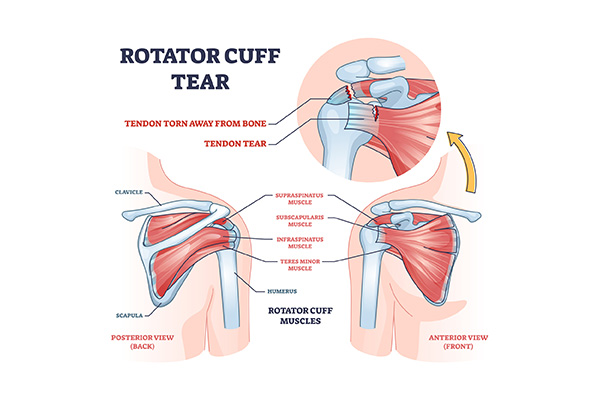
A rotator cuff tear may be partial, meaning the tendon is damaged but not completely torn, or complete, meaning the tear extends through the tendon. In some complete tears, the tendon may pull away from the bone.
Our specialists evaluate the location and severity of the tear along with your symptoms, shoulder function, and activity level to determine the appropriate treatment.

Non-surgical treatments may include:
Activity modification
Anti-inflammatory medications
Physical therapy
Exercises to improve shoulder strength and flexibility
Corticosteroid injections when appropriate
Many patients with partial tears or less severe symptoms can improve with non-surgical treatment.
When a tear is more severe, causes significant weakness, or does not improve with conservative care, surgery may be recommended.
Surgical options may include:
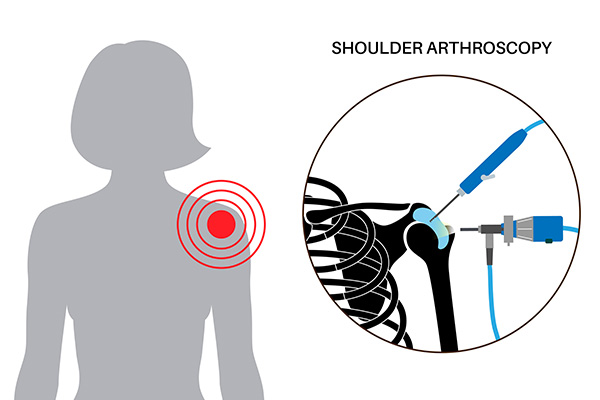
Arthroscopic rotator cuff repair
Rotator cuff tendon repair
Removal of damaged tissue when appropriate
Treatment of associated shoulder injuries
Biceps tendon procedures when necessary
During rotator cuff repair, the torn tendon is reattached to the bone to allow it to heal. The specific procedure depends on the size and location of the tear and whether other areas of the shoulder are also injured.
When possible, our shoulder surgeons use minimally invasive, advanced surgical techniques focused on restoring shoulder strength, movement, and function.

What to Expect at Your Appointment
Your visit begins with a comprehensive evaluation to understand the cause of your symptoms and your functional goals.
You can expect:
You can expect:
A discussion of your symptoms and activity level
A physical examination of the shoulder
Evaluation of shoulder strength and range of motion
X-rays when appropriate
MRI or other advanced imaging when needed
A personalized treatment plan based on your injury and goals
Our team will explain your diagnosis, whether you have a partial or complete rotator cuff tear, and the treatment options available to you.
Advanced Shoulder Care Close to Home
Orthopaedic Specialists of Austin combines specialized shoulder expertise with comprehensive treatment and rehabilitation to help patients recover from rotator cuff injuries.
Patients benefit from:
Board-certified, fellowship-trained orthopedic specialists
Comprehensive evaluation of acute and chronic shoulder injuries
Advanced diagnostic and imaging capabilities
Non-surgical and surgical treatment options
Arthroscopic shoulder surgery when appropriate
Coordinated physical therapy and rehabilitation
Comprehensive care from diagnosis through recovery
Our goal is to help patients reduce pain, regain strength and shoulder function, and return to the activities that matter most.
Take the First Step Toward Relief
You do not have to let shoulder pain or weakness keep you from the activities you enjoy. Getting an accurate diagnosis can help determine whether your symptoms are caused by a rotator cuff tear and which treatment options may be right for you. Connect with our shoulder specialists today to get started.
What are the symptoms of a torn rotator cuff?
Common symptoms include shoulder pain, weakness, pain at night, difficulty lifting the arm, and reduced range of motion. A sudden tear may cause immediate pain and weakness, while symptoms from a tear that develops over time may gradually become worse.
Can a rotator cuff tear heal without surgery?
Not every rotator cuff tear requires surgery. Some partial tears and less severe injuries can be managed with activity modification, medications, physical therapy, and injections. Your physician will recommend treatment based on the type of tear, your symptoms, and your level of shoulder function.
What is the difference between a partial and complete rotator cuff tear?
A partial tear damages the tendon but does not extend completely through it. A complete or full-thickness tear goes through the entire tendon and may cause the tendon to pull away from the bone.
Will I need surgery for a rotator cuff tear?
Not always. Surgery may be recommended for certain complete tears, significant weakness, acute injuries, or symptoms that continue despite non-surgical treatment.
How long does recovery take after rotator cuff surgery?
Recovery varies depending on the size of the tear, the procedure performed, and the individual patient. Rehabilitation typically takes several months as the tendon heals and shoulder motion and strength are gradually restored.
Do you offer same-day appointments?
In some cases, we are able to provide same-day appointments. Contact our office to discuss appointment availability. We will help you find the earliest available time with the appropriate specialist.
FAQs
What Our Patients Say


Quick Links
Get In Touch
Fax: (512) 476-2832
© 2026 Orthopaedic Specialists of Austin. All Rights Reserved. Accessibility Statement - Privacy Policy - Sitemap

I saw Dr Kay for my carpal tunnel symptoms and proceeded with surgery. He was very professional and thorough . The location was great; the process wasn’t stressful at all. He did a great job!! Thank you Dr Kay and staff.
Patient