
Phone: (512) 476-2830

Sciatica
What is Sciatica?
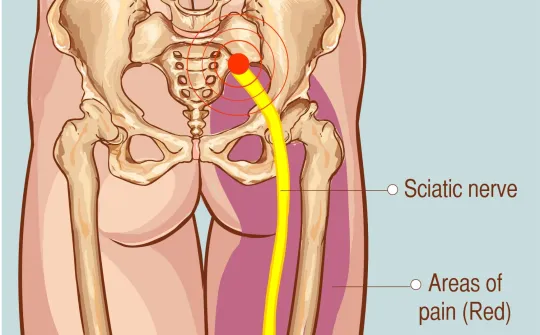
Sciatica, also known as radiculopathy, is nerve pain that radiates along the path of the sciatic nerve, branching out from your lower back to your hips, buttocks, legs, feet, and toes. It occurs when something puts pressure on part of the sciatic nerve. The condition typically only affects one side of the body.
Sciatica is a common type of pain that can make even the simplest tasks difficult to perform. Fortunately, sciatica can be managed with a variety of treatment options including both at-home remedies and in-office care. Orthopaedic Specialists of Austin can offer the residents of Austin, TX, and beyond relief for their sciatica.
MEET OUR SPECIALISTS

Robert Josey, M.D.
Physicians

Michael H. Moghimi, M.D.
Physicians
The Symptoms of Sciatica
Symptoms can vary from patient to patient, but sciatica commonly begins as pain that radiates from the lumbar region (the lower area of the back) to the buttocks and down the back of the leg. However, pain can be felt anywhere along the nerve pathway.
The pain that is experienced can be described in different terms, but patients commonly report signs and sensations such as:
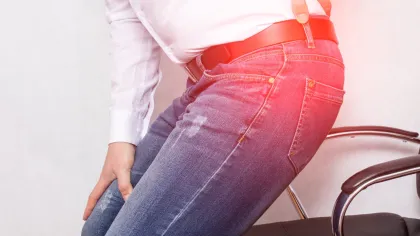
Tingling

Numbness
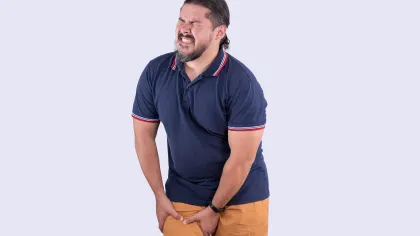
Burning
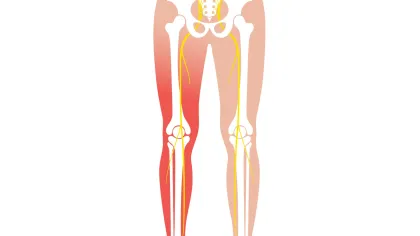
Radiating pain
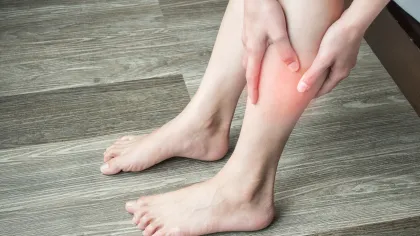
Muscle weakness in the affected leg or foot

Bowel or bladder incontinence
Exploring Options for Sciatica Treatment
Our spine specialists serve Austin TX, and beyond. When treating sciatica, our aim is to relieve pressure on the sciatic nerve and reduce inflammation. We will always try to treat you through nonsurgical and minimally invasive methods first. Your treatment may include one or several of these options:
Medication
Analgesics, steroids, muscle relaxers, and anti-inflammatory medications may all be prescribed for sciatica to alleviate the pain.
Physical Therapy
Supervised exercises can strengthen core muscles and reduce inflammation. Our specialists can design a physical therapy program that includes exercises that correct posture, strengthen the muscles supporting the back, and improve flexibility.
Chiropractic Adjustments
Gentle skeletal manipulations can sometimes provide relief for back pain. The aim of chiropractic adjustments is to restore spinal movement and improve function. This can be a good option for treating lower back pain, but may not be the best treatment for alleviating radiating pain.
Massage Therapy
Massage therapy can alleviate pressure on the sciatic nerve. Weekly massages can help loosen back and leg muscles and promote blood circulation to inflamed areas. Massage therapy may be a good option for people who are also undergoing physical therapy or chiropractic adjustments.
Acupuncture
Some patients find acupuncture effective for reducing or eliminating discomfort. If you choose this alternative therapy, be sure to find a licensed practitioner who has had extensive training.
Steroid Injections
Occasionally, injections of a corticosteroid into the affected area may be able to reduce back pain by suppressing the inflammation around the nerve. Unfortunately, the effects of steroid injections may only last a few months and can't be administered frequently due to side effects.
Treating Sciatica on Your Own
Sciatica can sometimes be resolved with at-home self-care measures. Some simple things you can try include:
Resting for a day or two
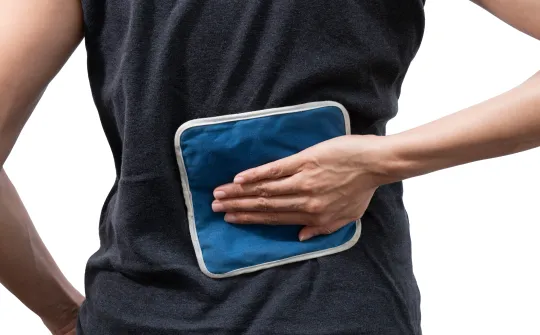
Placing a cold pack on the affected area
Applying heat to areas that hurt
Stretching the back muscles
Taking over-the-counter pain medication
If you still have symptoms after a week of trying home remedies, it may be time to contact a specialist.
Exploring Surgery as a Last Resort
Though the back pain and tingling associated with sciatica can be severe, most cases typically resolve within a few weeks of non-surgical treatment.
Once our specialists have exhausted all other treatment options, they may recommend surgery, particularly if the patient has suffered serious leg pain for a month or more or is losing bowel and bladder control. Dr. Robert Josey and Dr. Michael Moghimi will work with you to determine the most appropriate surgical option for your needs after considering the severity of your sciatic pain and its impact on your daily life. The two most common surgical treatments for sciatica include:
Discectomy
During this procedure, all or part of a herniated disc is removed so it can no longer put pressure on the sciatic nerve. Many patients notice relief for their sciatic pain and numbness immediately, but symptoms can also trail off over the course of about six weeks.
Discectomy Details
Laminectomy
The spinal cord and canal are protected by a bony plate called the lamina. During a laminectomy, a portion of the lamina is removed to create adequate space for the spinal nerves. An estimated 75 to 90% of patients may experience pain relief after receiving a laminectomy.
Risk Factors for Sciatica
Though there are many reasons why a person may develop sciatica, there are several factors that may make a person more at risk, including:
Age
Most sciatica patients are between the ages of 30 and 50. As we age, our spines change and our nerves and muscles degenerate.
Weight
Being overweight puts stress on the lumbar region, which contributes to the spinal changes that cause sciatica.
Occupation
Jobs that require you to lift or carry heavy loads, twist your back, or sit for long periods of time can damage your discs.
Lifestyle
People who have a sedentary lifestyle are typically more likely to develop sciatica than active people.
The Most Common Causes of Sciatica
Herniated Disc - Sciatica usually begins with a herniated disc in your lumbar region. Your vertebrae are separated and cushioned by discs of connective tissue. When a disc gets worn down due to injury or years of use, it can begin to push out into the spinal canal. If a herniated disc presses against the sciatic nerve, it can cause severe pain.
Bone Spurs - Also called osteophytes, bone spurs are bony projections that can develop along the edge of bones and inside joints. Bone spurs are usually harmless, but when they form on your vertebrae, they can put pressure on the sciatic nerve. This can cause numbness in the legs, tingling, or sharp pain.
Spinal Stenosis - Spinal stenosis is the narrowing of the spaces within your spine. The condition can put pressure on the nerves that travel through the spine, including the sciatic nerve. Sciatica is a symptom of spinal stenosis, but not all spinal stenosis patients will have sciatica. This condition occurs most often in the neck region and in the lumbar region.
Additional Causes of Sciatica
Though a herniated disc, bone spurs, or spinal stenosis may be the cause of your radiculopathy, there are some additional causes that may be to blame, including:
Pregnancy
Degenerative disc disease
Piriformis syndrome (spasms and pain in a buttocks muscle)
Tumors of the nerves in the spine or the sciatic nerve
Certain diseases like diabetes
Find Relief for Your Sciatica with Our Doctors in the Greater Austin, TX Area
Patients experience sciatica differently, but we understand how painful the condition can often be. Our board-certified and fellowship-trained specialists Dr. Robert Josey and Dr. Michael Moghimi can treat your condition so you don't have to live with the uncomfortable symptoms it can cause.
If you believe you may have sciatica, we invite you to contact our doctors in Austin, Leander, Lakeway, and by calling:

Making Your Results Last
Once you've treated your sciatica, there are some things you can do to help prevent the condition from recurring. Though these factors can help, it's not always possible to completely prevent sciatica.
Exercise Regularly
Strengthening the core and lumbar muscles can improve your posture and alignment.
Be Mindful of Posture
Be Mindful of Posture When sitting for long periods of time, try to sit up straight in a chair that offers lumbar support and has armrests. You can also place a pillow or rolled towel at the small of your back to help it maintain its natural curve. Keep your knees level with your hips.
Move Properly
When standing for long periods of time, rest one foot on a higher object like a box. When lifting a heavy object, lift with your legs, keep your back straight, and keep the heavy object close to your body.
Diagnosing Sciatica
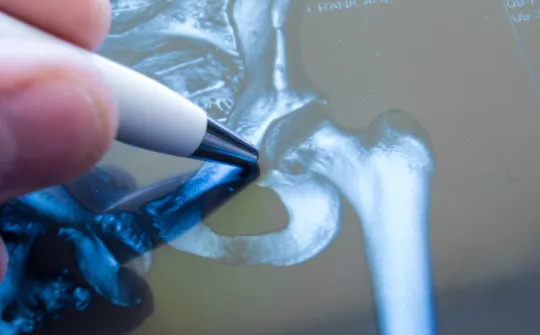
If you may have sciatica, our Austin-area specialists can perform a thorough examination to make an accurate diagnosis. Diagnostic tests and imaging may include:
An X-ray
An MRI (magnetic resonance imaging)
A CAT (computerized axial tomography) scan
An EMG (electro myelogram)
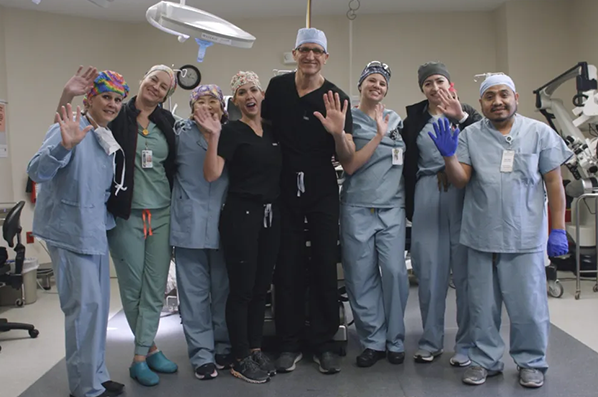
We Can Treat Your Sciatica With a Variety of Options
Our board-certified and fellowship-trained specialists pride themselves on being able to use minimally-invasive procedures and advanced techniques to alleviate the pressure on the sciatic nerve. Dr. Robert Josey and Dr. Michael Moghimi can devise a sciatica treatment plan that works for you.
If you're interested in treating your sciatica, contact our offices. We serve the residents of Austin, TX, and beyond.
What Our Patients Say


Quick Links
Get In Touch
Fax: (512) 476-2832
© 2026 Orthopaedic Specialists of Austin. All Rights Reserved. Accessibility Statement - Privacy Policy - Sitemap


I saw Dr Kay for my carpal tunnel symptoms and proceeded with surgery. He was very professional and thorough . The location was great; the process wasn’t stressful at all. He did a great job!! Thank you Dr Kay and staff.
Patient