
Phone: (512) 476-2830

Separated Shoulder
A Separated Shoulder Does Not Have to Keep you From Daily Activities
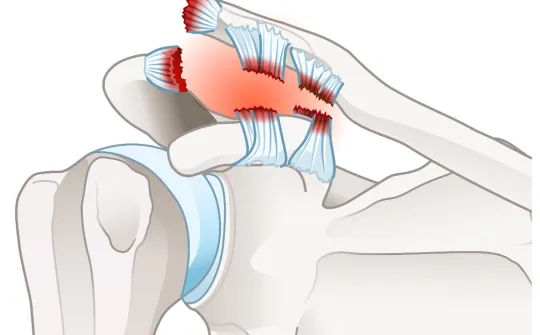
Acromioclavicular (AC) joint injuries are more commonly known as a separated shoulder. The AC joint is where the shoulder blade meets the collarbone. It functions as a pivot point allowing you to raise your arm above your head. Patients active in sports such as football, soccer, snowboarding, skateboarding, and other physically demanding activities are typically at the highest risk of this injury. If you have lost full range of motion, or have been experiencing pain as a result of a separated shoulder, our doctors in Austin, TX, can diagnose and treat your pain. To set up your consultation, please contact us today.
If an Injured shoulder is keeping you out of the big game, or away from work, we can provide the proper treatment needed to help you restore your full range of motion.
Cause of AC Injuries
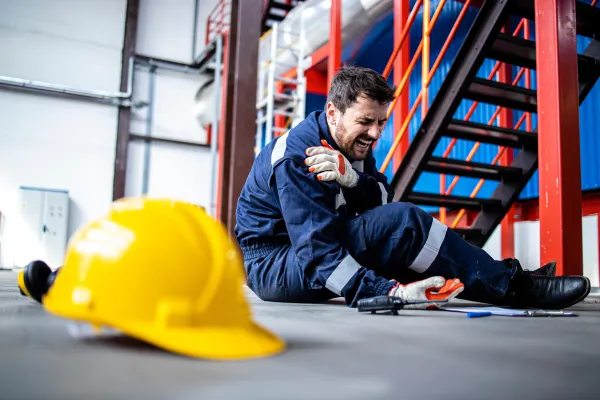
There are many causes of AC injuries, but they most typically occur when patients fall directly onto the top of their shoulder, or onto an outstretched arm. The fall can cause ligaments attached to the underside of the clavicle to tear and separate from the collarbone and wingbone. Depending on the severity of the injury, pain levels can range from mild to severe.
MEET OUR Shoulder SPECIALISTS
Edward Seade, M.D.
Physicians
Types of Injuries
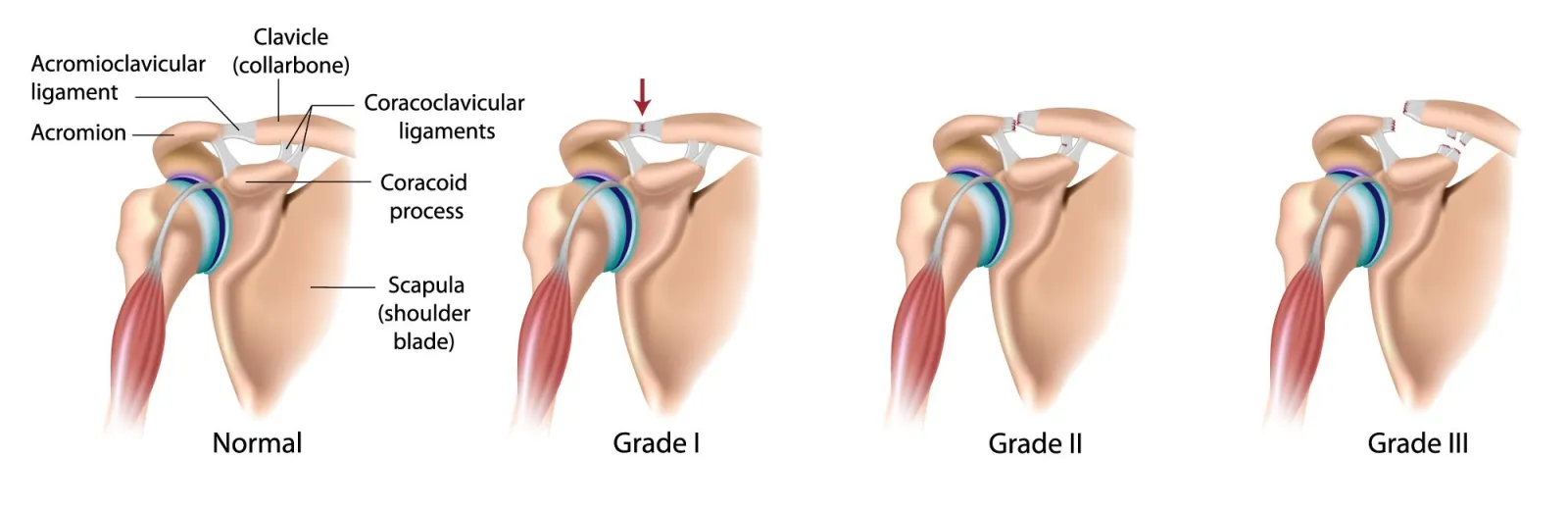
There are six types of AC injuries, ranging from minor separations and pulls to full dislocations and ligament ruptures. To measure severity, the injury is graded using the Rockwood scale. This scale ranges from Grade I through Grade VI, increasing in severity with each increment. Typically, most AC injuries are between Grade I and Grade III.
Injuries with Grades IV to VI are commonly associated with extreme an incident such as a motor vehicle accident.
Grade I
The most common type of AC joint injury is a slight displacement of the joint. The AC ligament may be stretched or partially torn. Patients may experience mild tenderness when the joint is touched, and minor pain with arm movement.
Grade II
The joint has become partially dislocated, and the AC ligament is completely torn. Pain in the joint is moderate to severe at this level. A small bump on the top of the shoulder may also be visible as the collarbone is no longer properly secured in place
Grade III
A complete displacement is evident, as the shoulder falls under the weight of the arm. This forces the clavicle higher, causing a noticeable bump or deformity on the shoulder. Additionally, the AC ligament, coracoclavicular (CC) ligament, and the capsule that surrounds the joint are all torn. Pain is felt upon any arm movement, and is also experienced around the joint and in the area of the CC ligaments.
Treatment
During your initial evaluation, we will gently examine your shoulder to assess the bones and tissues around the injured area. We will look for a small bump or tenderness that may suggest a separation of the joint. If we are unable to determine whether a separation has occurred, we may use x-rays to make a proper diagnosis.
Non-surgical
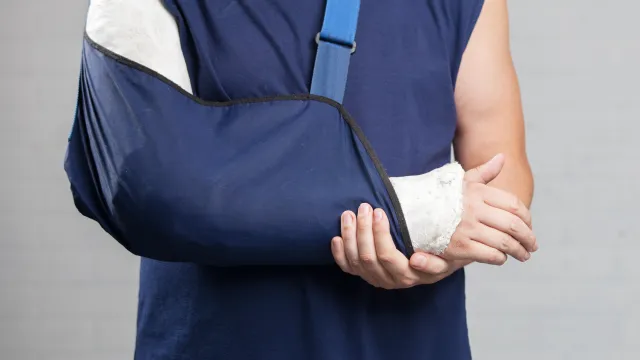
Depending on the severity of the injury, most patients with Grade I through Grade III injuries can be treated without surgical intervention. If your injury is minor, treatments may include icing, a protective sling, and pain and anti-inflammatory medications. You may also participate in a rehabilitation program to strengthen the shoulder and restore range of motion. The majority of patients will be pain-free and experience full range of motion within two to three months.
Surgical
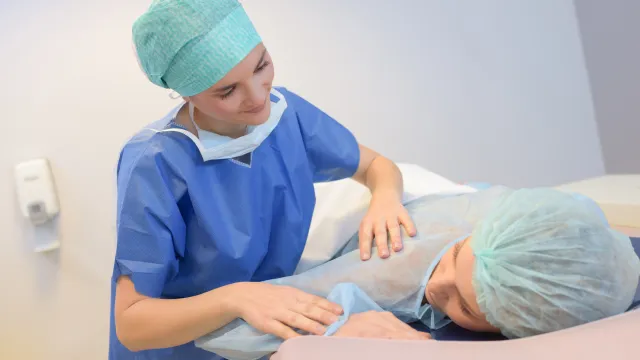
If you have not achieved full range of motion, and continue to experience pain after three months of non-operative treatments, you may be required to undergo a surgical procedure. Surgery can help stabilize the separated AC joint, and lessen the visible deformity of your shoulder. A surgical procedure can also be performed to correct persistent AC joint injuries from years prior.
What Our Patients Say


Nerve Damage
Like most any surgery, joint replacement also has the potential of causing nerve damage. If nerve damage has occurred, you will notice a lack of sensation in areas near the surgical site. While this side effect can be an annoyance, it is not considered an emergency.
Infection
Your wound may be infected if you notice an increase in redness, tenderness, swelling, pain, and drainage from the procedure area. You will need to contact your doctor right away so they can assess your joint and determine if another surgery to remove the replacement is needed for the infection to heal.
Blood Clots
You may have a blood clot if you are noticing throbbing pain, increased inflammation, increased redness, and increased warmth. The symptoms can be similar to those of an infection, so this needs to be treated by your doctor right away. Quick treatment is crucial because blood clots can lead to severe complications, and can be fatal in some cases.
Prosthesis Problems
Although rare, a loosening or dislocated prosthesis is a potential side effect that needs to be immediately treated by your doctor. Contact Dr. Heinrich or Dr. Dodgin if you are experiencing any feeling of instability, increased swelling, or increased pain, as these might be a sign of an issue with your prosthetic.
Are there any risks associated with joint replacement surgery?
Temporary pain, swelling, and bruising are normal after surgery, and should subside within a few weeks to months. However, all surgeries involve risks that patients should understand before deciding to undergo treatment. You can minimize these risks by choosing a qualified and reputable surgeon and following their instructions as carefully as you can during recovery.
Am I a Good Candidate for Joint Replacement?
Often, any patient who has tried all other non-invasive treatments and has seen no results is a good candidate for joint replacement. However, some factors can affect your candidacy:

Age
Total joint replacement is usually recommended for people between the ages of 55 and 80.

Health
Any underlying medical conditions need to be addressed with your surgeon before your procedure. Your candidacy will depend on the type and severity of your underlying disease.
Weight
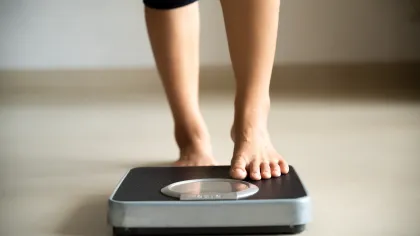
Severely overweight or obese patients may not be good candidates for a joint replacement. The excess weight adds stress to the artificial joint and can sometimes lead to its failure.
Smoking
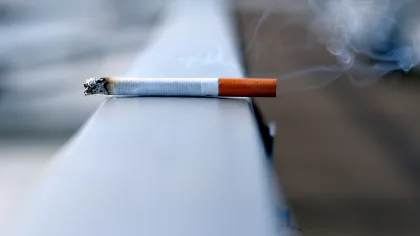
It will be recommended that you stop smoking before and after your joint replacement. Studies have shown there is a higher risk of medical complications and a need for a joint revision in patients who smoke.
For Long-Lasting Solutions and a Quicker Recovery
Our total joint replacement specialists focus on providing the least invasive treatment possible that gives you the best results. Patients from all over Texas choose our doctors when they are having knee, hip, or any joint pain because they are:
Skilled
Our surgeons will only recommend surgery after more conservative treatments have failed. They use the latest techniques and technology in orthopedics to provide minimally invasive options whenever possible.
Experienced
All our surgeons have more than a decade of orthopedic experience. They have completed numerous joint replacements and understand what it takes to produce quality results and a quick recovery.
Caring
Our doctors will make your comfort and rehabilitation their mission when treating your joint-related pain. Their number one goal is to improve your quality of life by alleviating your pain and restoring your mobility.

Quick Links
Get In Touch
Fax: (512) 476-2832
© 2026 Orthopaedic Specialists of Austin. All Rights Reserved. Accessibility Statement - Privacy Policy - Sitemap

I saw Dr Kay for my carpal tunnel symptoms and proceeded with surgery. He was very professional and thorough . The location was great; the process wasn’t stressful at all. He did a great job!! Thank you Dr Kay and staff.
Patient