
Phone: (512) 476-2830

Shoulder Surgery
Minimally Invasive Shoulder Surgery
Are you struggling from shoulder pain that is limiting your daily activities? Even an injury that appears minor can cause severe pain and limit your range of motion.
Dr. Edward Seade offers minimally invasive shoulder surgery in Austin, TX, to relieve pain and restore movement.

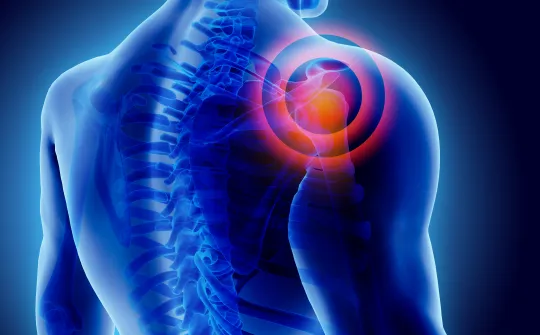
How Does the Shoulder Joint Function?
The shoulder joint is the most flexible joint in the body. Classified as a ball-and-socket joint, shoulder stability relies mainly on soft-tissue restraints, which are made up of the rotator cuff, the glenoid labrum, and the capsule. Fluid-filled sacs called bursa surround the shoulder joint, providing cushioning that keeps the tendons from coming into direct contact with the bone. The rotator cuff, glenoid labrum, and capsule are equally important, so it is essential for every component of the shoulder to operate smoothly to ensure full range of motion.
MEET OUR Shoulder SPECIALISTS
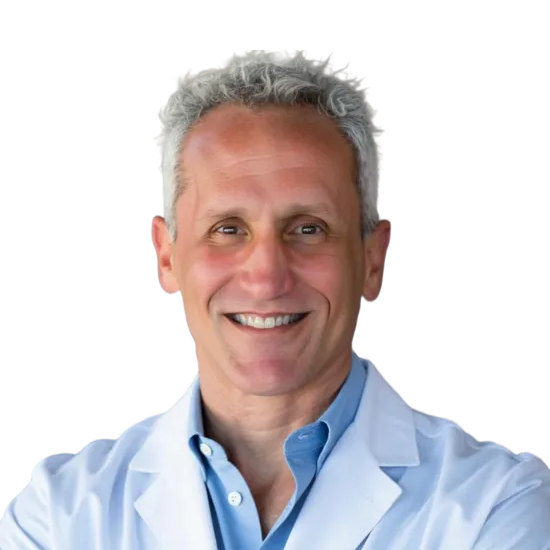
Edward Seade, M.D.
Physicians

Possible Reasons for Shoulder Pain
There are several causes of shoulder pain. It could be due to an injury, overuse, arthritis, and much more. Every shoulder treatment, including shoulder surgery, begins with a diagnosis, which is crucial in determining your ideal course of action. Below are typical orthopedic conditions that Dr. Seade, the shoulder specialist at Orthopaedic Specialists of Austin, focuses on minimally invasive shoulder surgery, treat:
Separated Shoulder or AC Joint Injury
An acromioclavicular (AC) joint injury involves tearing one or more ligaments that surround the joint where the clavicle and acromion process meet. It is commonly associated with contact sports, bicycling, and car accidents.
Bursitis
Bursitis is inflammation of the fluid-filled pads (bursae) that cushion your bones, tendons, and muscles from the joint. This can be a recurring condition.
Frozen Shoulder
Adhesive capsulitis, or frozen shoulder, is marked by pain, loss of motion, and stiffness experienced in the shoulder.
Impingement
Impingement is associated with chronic inflammation, or "pinching" of the rotator cuff muscles and bursa in the shoulder.
Instability
Dislocation or subluxation occurs when the upper arm bone is forced out of the shoulder socket, or when the shoulder joint extends beyond its normal range of motion. The doctor will need to reinsert the arm bone into the socket.
Rotator Cuff Tears
Your rotator cuff is made up of muscles and tendons that connect the shoulder blade to the upper arm bone (humerus). A partial or full rotator cuff tear can cause chronic pain and severely limit your range of motion.
Shoulder Arthritis
Progressive pain in the shoulder may be a sign of one of three types of arthritis: osteoarthritis, rheumatoid, or posttraumatic.
SLAP Tears of the Bicep Tendon
SLAP tears occur when the biceps tendon that attaches to the joint above the socket begins to detach from the bone.
Nonsurgical Shoulder Pain Treatments
Depending on the severity of your pain, Dr. Seade may suggest several non-invasive options before recommending surgery.
R.I.C.E
Rest, ice, compression, and elevation (RICE), is always a good starting point for joint pain. Avoid using the affected shoulder for an extended period of time to see if your pain subsides.

Over-the-Counter Medications
Pain medications might be recommended in addition to RICE to manage your shoulder pain. You should only take these medications as directed by your physician and let them know if they are not helping your pain.

Physical Therapy
A customized treatment plan developed by one of our physical therapists can help to strengthen the muscles around the joint and can often alleviate the pain.
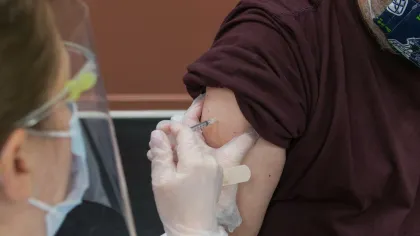
Steroid Injections
Steroid injections are a minimally invasive way to treat shoulder pain. Steroids can help reduce inflammation and alleviate pain in the joint.
Shoulder Surgery
Our orthopedic specialists will recommend surgery only after the possibility of using minimally invasive treatments has been ruled out. However, if your condition is severe, delaying shoulder surgery can increase your chance of making the damage worse. Our specialists will recommend the most appropriate and timely treatment for your needs. Below is a brief overview of common surgeries our orthopedic shoulder surgeons perform:
Arthroscopy
An arthroscopic procedure is a minimally invasive surgical technique frequently used in sports medicine. Your orthopedic surgeon will insert a narrow tube with a camera through a small incision to see inside your joint on a video monitor. This technique also allows Dr. Seade to repair joint damage by removing any loose or undesirable tissue. Because this arthroscopic procedure only requires two small incisions, it results in a quicker recovery and less discomfort than other surgical techniques.
Bankart Procedure
A Bankart procedure restores shoulder stability by tightening ligaments and repairing torn capsular detachments, which are frequent injuries in sports medicine. Patients may return to contact sports after this surgery because the muscles and tendons can be successfully repositioned with minimal risk.
Rotator Cuff Repair
This rotator cuff procedure is a surgery done to repair a rotator cuff tear, relieve pain, and improve the function of the muscles and tendons that move the joint. Rotator cuff surgery is commonly performed on older patients who experience pain and weakness in the deltoid region as a result of normal use over time. A rotator cuff tear also occurs frequently in sports medicine due to injuries on the court or field. Dr. Seade frequently perform this surgery arthroscopically to allow for the quickest recovery.
Shoulder Replacement
Shoulder replacement surgery replaces your severely injured or damaged shoulder joint with artificial components. This surgery can replace the painful arthritic cartilage and replace it with smooth metal and plastic components. Discomfort is relieved in the new joint, as the prosthesis glides easily and lacks pain receptor fibers.
A Closer Look at Arthroscopic Surgery
Arthroscopic surgery is a frequently performed technique in sports medicine and can be performed on any joint, but is most commonly done on the shoulder, knee, hip, ankle, elbow, and wrist. It is a minimally invasive way to repair a joint or tendon. Two incisions are made that are much smaller than those used in traditional joint surgeries. The arthroscope is inserted through one of the small incisions so the surgeon can view the affected area on a monitor. The surgical tools are inserted through the second incision.
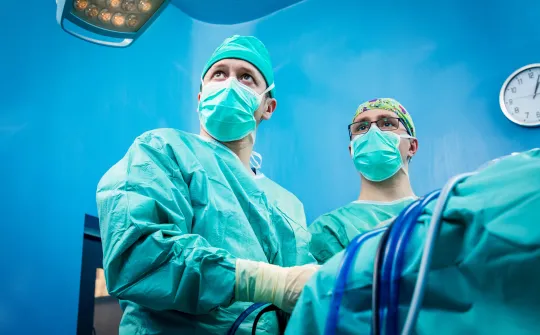
What to Expect During Arthroscopic Tendon Repair
Sometimes physical therapy and other non-invasive treatments are not enough to heal shoulder issues like a tendon tear. Our orthopedic specialists in Austin, TX, will only recommend surgery if it is the best option for successfully healing your shoulder.
Anesthesia
You will be put under general anesthesia so you will remain asleep and comfortable throughout the entire surgery.
Incisions
Your orthopedic surgeon will make two small incisions in the affected area.
Arthroscope
An instrument with a camera on the end( arthroscope) will be inserted into one incision. This will send high-definition video to a monitor so your surgeon can view the inside of your joint.
Repair
The surgical tools will be inserted through the other small incision to perform the repair. If your surgeon is just repairing a partial tear, tissue fragments will be removed to smooth the tendon and reduce the chance of it tearing further. If the tendon is fully torn, your surgeon will either reattach the tendon to the upper arm bone (humerus) or suture the torn pieces together.
Sutures
Once the repair is complete. your surgeon will suture your small incisions close. You will have minimal scarring when compared to traditional open surgery.
Recovery
Your surgeon will give you instructions on what you should and should not do after surgery. Typically you will want to keep your shoulder immobile so it can heal correctly. Once your shoulder has healed to a certain point, you will begin physical therapy. A full recovery from this type of surgery usually takes between four and six months.
What Our Patients Say


Quick Links
Get In Touch
Fax: (512) 476-2832
© 2026 Orthopaedic Specialists of Austin. All Rights Reserved. Accessibility Statement - Privacy Policy - Sitemap

I saw Dr Kay for my carpal tunnel symptoms and proceeded with surgery. He was very professional and thorough . The location was great; the process wasn’t stressful at all. He did a great job!! Thank you Dr Kay and staff.
Patient