
Phone: (512) 476-2830

Spinal Stenosis Treatment
What Is Spinal Stenosis?
Spinal stenosis is a condition in which the spinal canal narrows and places excessive pressure on the nerves, causing pain and numbness in your back, arms, or legs. For severe cases of spinal stenosis that cannot be treated with medications or physical therapy, our doctors can perform surgery to widen the space and relieve pressure within your spinal canal. Our offices in Lakeland, Leander, and Austin, TX, offer a variety of spinal stenosis treatment options, including surgery for qualifying patients.
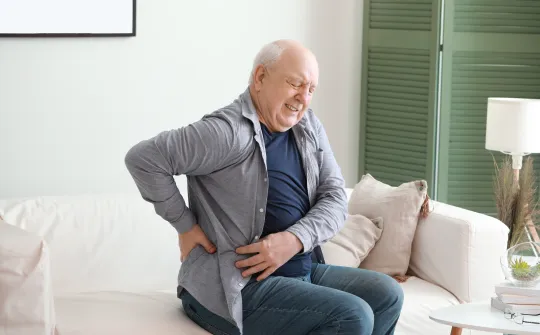
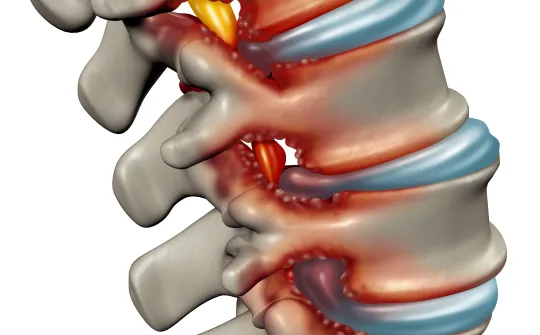
About Spinal Stenosis
Spinal stenosis can occur in different regions of the neck and back, and it is often classified according to the location of the condition. For example, cervical spinal stenosis presents in the neck area, thoracic spinal stenosis occurs in the mid-back region, and lumbar spinal stenosis manifests near the lower portion of the back.
A narrowing of the spinal column places excessive pressure on the nerves, which can result in pain, incontinence, and difficulties with balance. Symptoms can vary, but often include:
Numbness, weakness, or tingling in the extremities
Balance problems when standing or walking
Neck or back pain
Incontinence of bowel or bladder
Pain or cramping in the legs after walking or standing for prolonged periods of time
MEET OUR SPINE SPECIALISTS

Robert Josey, M.D.
Physicians
Michael H. Moghimi, M.D.
Physicians
What Causes Spinal Stenosis?
While some patients may be born with a smaller-than-average spinal column, most cases of spinal stenosis occur when something unexpectedly happens to reduce the amount of space within the spine. This can include:
Bone overgrowth
The wear and damage from osteoarthritis can force the formation of bone spurs that grow into the spinal canal.
Thickened ligaments
Cords that keep the bones of the spine together can become thick and swell into the spinal canal.
Herniated disks
When the padding between the vertebrae dries out with age, cracks can appear. These small cracks allow the soft padding to leak and cause the disks to press on the spinal cord.
Tumors
Occasionally, abnormal growths form inside the spinal cord, inside membranes covering the spinal cord, or between the spinal cord and vertebrae.
Injuries
Motor vehicle accidents, severe falls, and other traumatic incidents can damage the spine. This can lead to fractures of the vertebrae and the displacement of bone, which can damage the contents of the spinal canal.
Diagnosing Spinal Stenosis
While spinal stenosis can affect a person of any age, the average sufferer is age 50 or older. Non-invasive imaging, such as an x-ray, MRI, or CT myelogram, is the best way to determine if a patient's physical pain is caused by spinal stenosis.
50+
Age of average spinal stenosis sufferers

Non-surgical Treatments for Spinal Stenosis
There are a number of medications that a doctor can recommend or prescribe to curtail the pain of spinal stenosis:
Over-the-counter medications
Anti-inflammatory drugs such as ibuprofen or naproxen may be recommended for use over a limited period of time.
Antidepressants
Amitriptyline and other antidepressants can be used to help ease chronic pain.
Anti-seizure drugs
In some cases, anticonvulsant drugs may be prescribed to alleviate pain.
Steroids
When injected directly into the problem area, steroids can reduce inflammation and discomfort.
In addition, physical therapy can help the patient build strength and endurance, increase flexibility, and improve walking and balance. Other therapies that have shown positive results for spinal stenosis sufferers include acupuncture and chiropractic adjustments.
Surgery
If non-surgical treatments do not effectively control the pain associated with spinal stenosis, surgery may be necessary. This will create more space within the spinal canal and alleviate pressure on the spinal cord and nerves. Dr. Robert Josey and Dr. Michael Moghimi are experienced in surgical procedures designed to address spinal stenosis.
Our doctors can perform a laminectomy, which can reverse damage from spinal injuries, herniated discs, tumors, or age-related conditions. At our practice, we utilize minimally invasive spine surgery, which is performed using endoscopic techniques to minimize muscle and tissue damage, shorten recovery time, and minimize scarring.
What Our Patients Say


Quick Links
Get In Touch
Fax: (512) 476-2832
© 2026 Orthopaedic Specialists of Austin. All Rights Reserved. Accessibility Statement - Privacy Policy - Sitemap

I saw Dr Kay for my carpal tunnel symptoms and proceeded with surgery. He was very professional and thorough . The location was great; the process wasn’t stressful at all. He did a great job!! Thank you Dr Kay and staff.
Patient