
Phone: (512) 476-2830

Stress Fractures
Expert Stress Fracture Care in Austin to Help You Heal and Return to Activity
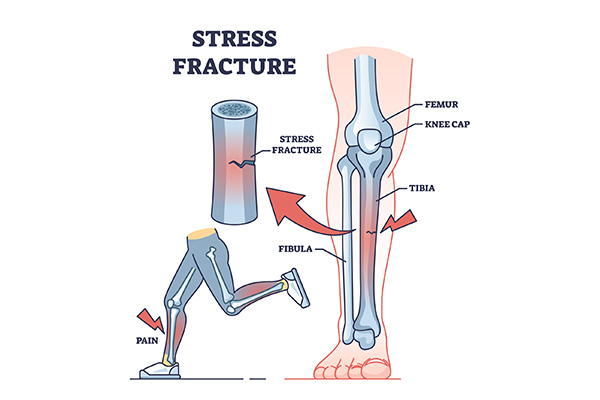
A stress fracture is a small crack or severe bruising within a bone caused by repetitive stress and overuse. Unlike a traditional fracture caused by a single traumatic event, stress fractures develop gradually when the body is unable to repair bone damage caused by repeated impact.
Stress fractures most commonly occur in weight-bearing bones, including the foot, ankle, shin, and hip, but they can develop in other areas of the body depending on the activity and demands placed on the bone.
At Orthopaedic Specialists of Austin, our sports medicine specialists provide comprehensive evaluation and treatment for stress fractures, helping patients manage pain, protect the injured bone, and safely return to their activities.
Treatment is personalized based on the location and severity of the stress fracture, your activity level, and your recovery goals. Early diagnosis and appropriate care are important to prevent the injury from worsening or progressing to a complete fracture.

Meet Our Doctor

Conner Patrick, M.D.
Physicians
When to see a sports medicine specialist
Stress fractures often begin with mild discomfort that gradually worsens with activity. If pain continues despite rest or begins affecting your ability to participate in sports or daily activities, evaluation by a sports medicine specialist is recommended.
Common symptoms of a stress fracture include:
Pain that develops gradually and worsens with activity
Pain that improves with rest in the early stages
Tenderness directly over the affected bone
Swelling around the injured area
Pain during normal activities as the injury progresses
Difficulty continuing sports or exercise
Pain that may eventually occur even at rest
Seeking early evaluation can help prevent the stress fracture from becoming more severe and reduce the risk of complications.
What causes a stress fracture?
Stress fractures occur when repetitive forces place more stress on a bone than the body can repair. Over time, small areas of bone damage can develop into a fracture.
Common causes include:
Increasing training intensity or activity level too quickly
Repetitive impact from running, jumping, or high-intensity sports
Changes in training surfaces or equipment
Improper footwear
Muscle fatigue that increases stress on bones
Poor training techniques
Repetitive overuse without adequate recovery
Our specialists perform a thorough evaluation to determine the cause of symptoms and develop the most effective treatment plan for your condition.


Nonsurgical treatment may include:
Activity modification to reduce stress on the injured bone
Temporary restriction from high-impact activities
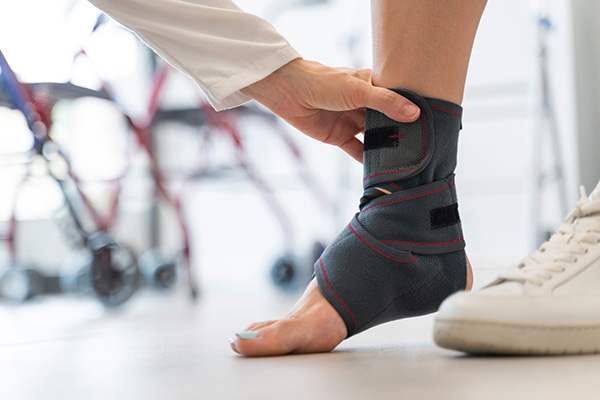
Protective footwear, walking boots, or braces when appropriate
Physical therapy to restore strength, mobility, and movement patterns
Evaluation of training habits, footwear, and contributing factors
Most stress fractures heal successfully with proper activity modification and rehabilitation.
Surgical treatment may be considered for:
Stress fractures in high-risk areas that have difficulty healing
Complete fractures or fractures that progress despite treatment
Injuries with significant displacement or instability
Persistent symptoms despite appropriate nonsurgical care
When surgery is needed, procedures are designed to stabilize the bone and support proper healing.

What to Expect
What you can expect
Your appointment begins with a comprehensive evaluation to understand your symptoms, activity level, and injury history.
During your visit, your physician may:
Review your training routine and activity changes
Discuss when and how your pain began
Perform a physical examination of the affected area
Evaluate tenderness, swelling, strength, and movement
Obtain X-rays to evaluate the bone
Recommend other imaging such as an MRI when needed, as early stress fractures may not always appear on X-rays
Develop a personalized treatment and recovery plan
Our team is committed to helping you understand your injury and providing guidance throughout your healing process.
Advances sports medicine care close to home
Orthopaedic Specialists of Austin provides specialized sports medicine care designed to diagnose and treat stress fractures while helping patients safely return to the activities they enjoy.
Patients benefit from:
Board-certified, fellowship-trained sports medicine specialists
Advanced diagnostic imaging
Personalized rehabilitation programs
Proven treatment approaches
Guidance for safe return to sports and activity
Comprehensive care from diagnosis through recovery
Our goal is to support bone healing, restore function, and help patients confidently return to their active lifestyles.
Take the first step toward relief
A stress fracture can interfere with your training, sports participation, and daily activities. Ignoring symptoms may allow the injury to worsen, but early diagnosis and appropriate treatment can help support a successful recovery.
Whether you are an athlete, runner, or active individual experiencing persistent pain, our sports medicine team can help determine the best path toward healing and returning to activity.
Request an Appointment Today
What is a stress fracture?
A stress fracture is a small crack or area of bone damage caused by repetitive stress over time. Unlike a broken bone caused by a single injury, stress fractures typically develop gradually due to repeated impact or overuse.
What are the most common locations for stress fractures?
Stress fractures most commonly occur in weight-bearing bones, including:
Feet
Ankles
Shins
Lower legs
Hips
The location depends on the activity and repetitive forces placed on the body.
How is a stress fracture diagnosed?
Your physician will perform a physical examination, including specialized stability tests, and may order an MRI to confirm the injury and determine whether other structures in the knee, such as the meniscus or cartilage, have also been injured.
How long does it take for a stress fracture to heal?
Healing time varies depending on the location and severity of the injury. Many stress fractures heal within 6 to 8 weeks, but some injuries, especially those in high-risk areas may require a longer recovery period.
Can I continue exercising with a stress fracture?
Continuing high-impact activity with a stress fracture can delay healing or worsen the injury. Your physician will help determine which activities are safe during recovery and when you can gradually return to sports.
Do stress fractures require surgery?
Most stress fractures heal without surgery through activity modification and protection of the injured bone. Surgery may be considered for certain high-risk fractures or injuries that do not heal with conservative treatment.
Can I reduce my risk of a stress fracture?
You can reduce your risk of stress fractures by:
Increasing training intensity gradually
Wearing appropriate footwear
Allowing adequate rest and recovery time
Maintaining proper strength and flexibility
Addressing changes in training surfaces or routines
Listening to early warning signs of pain
When can I return to sports after a stress fracture?
Return-to-sport timelines vary depending on the location and severity of the injury. Athletes should be pain-free, regain strength and function, and gradually progress activity under the guidance of their healthcare team before returning to full competition.
FAQs
What Our Patients Say


Quick Links
Get In Touch
Fax: (512) 476-2832
© 2026 Orthopaedic Specialists of Austin. All Rights Reserved. Accessibility Statement - Privacy Policy - Sitemap


I saw Dr Kay for my carpal tunnel symptoms and proceeded with surgery. He was very professional and thorough . The location was great; the process wasn’t stressful at all. He did a great job!! Thank you Dr Kay and staff.
Patient