
Phone: (512) 476-2830

What Is Patellar Tendinitis? Common Causes, Symptoms, and Treatment Options
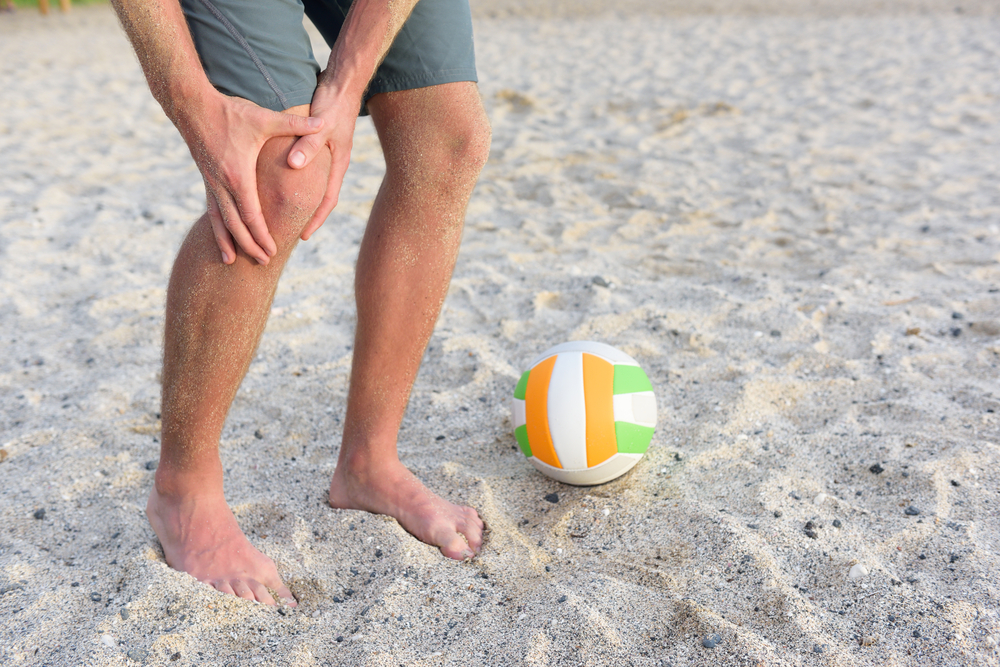
Patellar tendinitis, commonly known as jumper's knee, is an overuse injury that causes pain and inflammation in the tendon connecting the kneecap to the shinbone. While often associated with athletes, it can affect anyone who regularly places stress on their knees. At Orthopaedic Specialists of Austin, we provide personalized knee care to help patients manage patellar tendinitis, reduce discomfort, and return to their normal activities.
What Causes Patellar Tendinitis?
Patellar tendinitis develops when repetitive stress overloads the patellar tendon, causing small areas of damage that may lead to ongoing tendon pain. It is particularly common in activities involving jumping, running, or frequent changes in direction.
Common contributing factors include:
- Repetitive jumping: Sports like basketball and volleyball place significant strain on the patellar tendon.
- Sudden increases in activity: Increasing workout intensity or frequency too quickly can overload the tendon.
- Muscle tightness: Tight quadriceps and hamstrings may increase stress around the knee.
- Muscle weakness: Weakness in the quadriceps, hips, or surrounding muscles can affect knee mechanics.
- Insufficient recovery: Repeated high-impact activities without adequate rest can contribute to tendon irritation.
Common Symptoms of Patellar Tendinitis
The most noticeable symptom is pain directly below the kneecap, particularly during physical activity. Initially, discomfort may only occur after exercise, but symptoms can become more persistent as the condition progresses.
Other symptoms may include tenderness around the patellar tendon, stiffness after prolonged sitting, and pain when climbing stairs, squatting, or jumping. If you're experiencing persistent knee pain in Austin, an orthopedic evaluation can help determine whether patellar tendinitis or another knee condition is responsible.
How Is Patellar Tendinitis Diagnosed?
At Orthopaedic Specialists of Austin, we begin with a comprehensive evaluation of your symptoms, activity level, and medical history. Our knee specialists examine the affected area, assess your range of motion, and evaluate knee strength and stability.
When necessary, imaging tests such as an MRI or ultrasound may help assess tendon damage or rule out other injuries. An accurate diagnosis allows us to recommend treatment based on the severity of your condition.
Treatment Options for Patellar Tendinitis
Most cases of patellar tendinitis improve with nonsurgical treatment. Our orthopedic specialists in Austin focus on conservative care whenever possible, helping patients recover while minimizing unnecessary procedures.
Treatment recommendations may include:
- Physical Therapy: Customized rehabilitation programs focus on progressive tendon strengthening, flexibility, and improving movement mechanics to reduce strain on the knee.
- Activity Modification: Temporarily reducing jumping, running, or other aggravating movements allows the tendon to recover while maintaining appropriate activity levels.
- Pain Management: Ice and appropriate anti-inflammatory medications may provide short-term symptom relief, although they do not address the underlying tendon damage.
- Orthopedic Treatment: For persistent symptoms, our specialists may recommend additional evaluation and individualized treatment. Surgery is rarely necessary but may be considered for severe tendon damage or cases that do not respond to appropriate conservative care.
Schedule a Knee Pain Evaluation in Austin, TX
If pain below your kneecap is affecting your workouts, sports performance, or daily activities, our team can help identify the cause and develop a personalized treatment plan. Schedule a consultation with Orthopaedic Specialists of Austin to take the first step toward healthier, more comfortable movement. Contact our Lakeway office in Austin, TX, by calling (512) 476-2830 today.

Quick Links
Get In Touch
Fax: (512) 476-2832
© 2026 Orthopaedic Specialists of Austin. All Rights Reserved. Accessibility Statement - Privacy Policy - Sitemap